
Shoulder pain refers to discomfort arising from the structures within or around the shoulder joint. Because the shoulder is made up of muscles, tendons, ligaments, cartilage, bones and nerves that work closely together, pain may originate from several different areas within the joint complex.
Shoulder pain may develop suddenly after an injury or gradually over time due to overuse, inflammation or degenerative changes. Depending on the underlying cause, individuals may experience pain during lifting, reaching, exercise, sleep or everyday activities. In some cases, shoulder pain may also be associated with weakness, stiffness or reduced movement of the arm.
The shoulder has one of the widest ranges of motion in the body, allowing movement in multiple directions. However, this high level of mobility also makes the shoulder more vulnerable to strain, instability and injury.

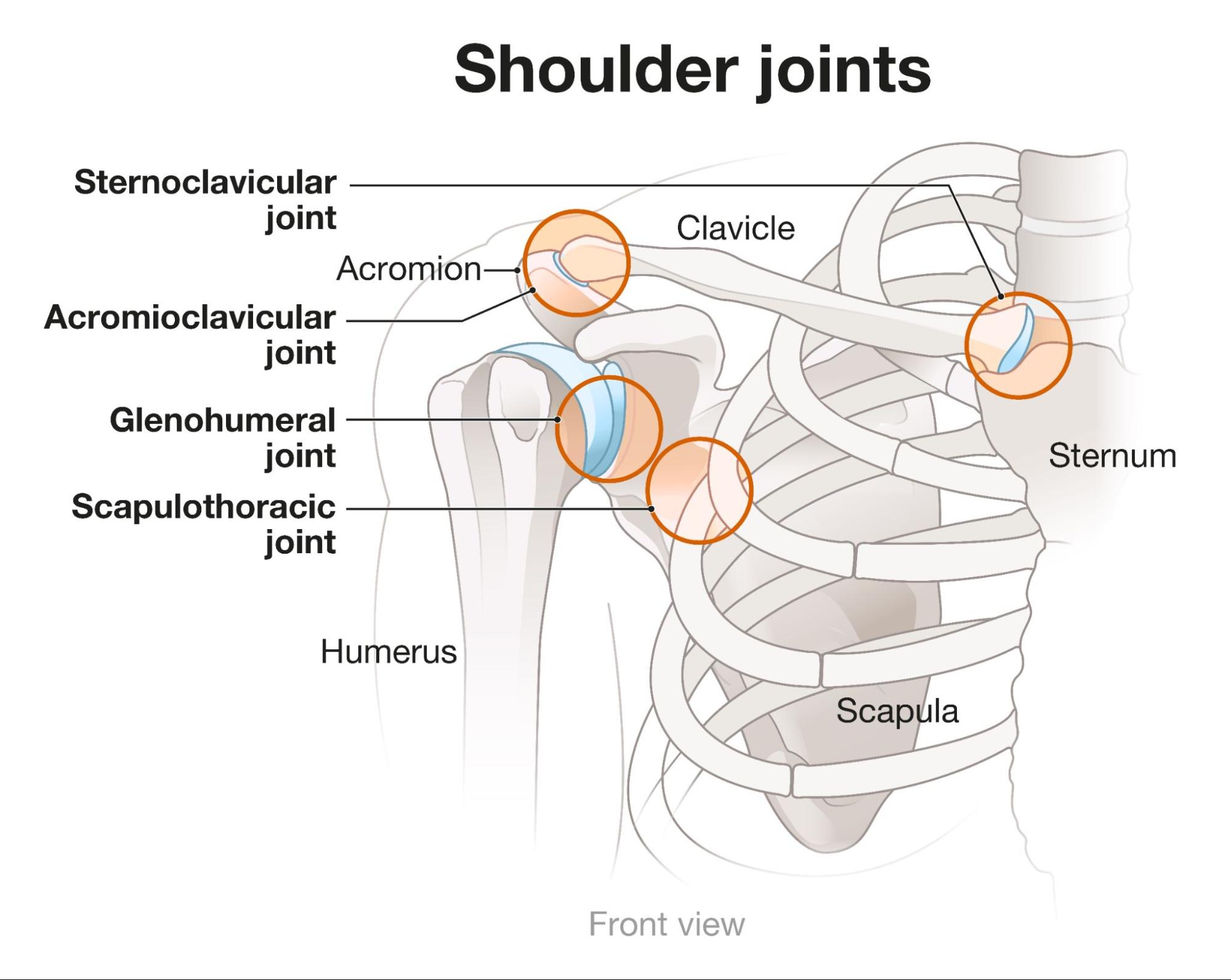
The shoulder joint is a ball-and-socket joint formed by the upper arm bone (humerus) and the socket of the shoulder blade (scapula). This structure allows the arm to move freely in multiple directions, including lifting, reaching, rotating and overhead movement.
The shoulder relies on several important soft tissue structures for movement and stability. The rotator cuff muscles and tendons help control arm movement and stabilise the joint, while ligaments and the labrum help maintain shoulder alignment and support joint stability during activity.
Because the shoulder has a very wide range of motion, it depends heavily on coordinated muscle control and soft tissue support. This balance between mobility and stability makes the shoulder particularly susceptible to overuse injuries, tendon problems, instability and degenerative conditions.
Shoulder pain can develop from a wide range of conditions affecting the muscles, tendons, joints, ligaments or surrounding structures of the shoulder.
Neck-related pain radiating to the shoulder — some shoulder pain may actually originate from the cervical spine or surrounding nerves, causing pain that radiates into the shoulder region.
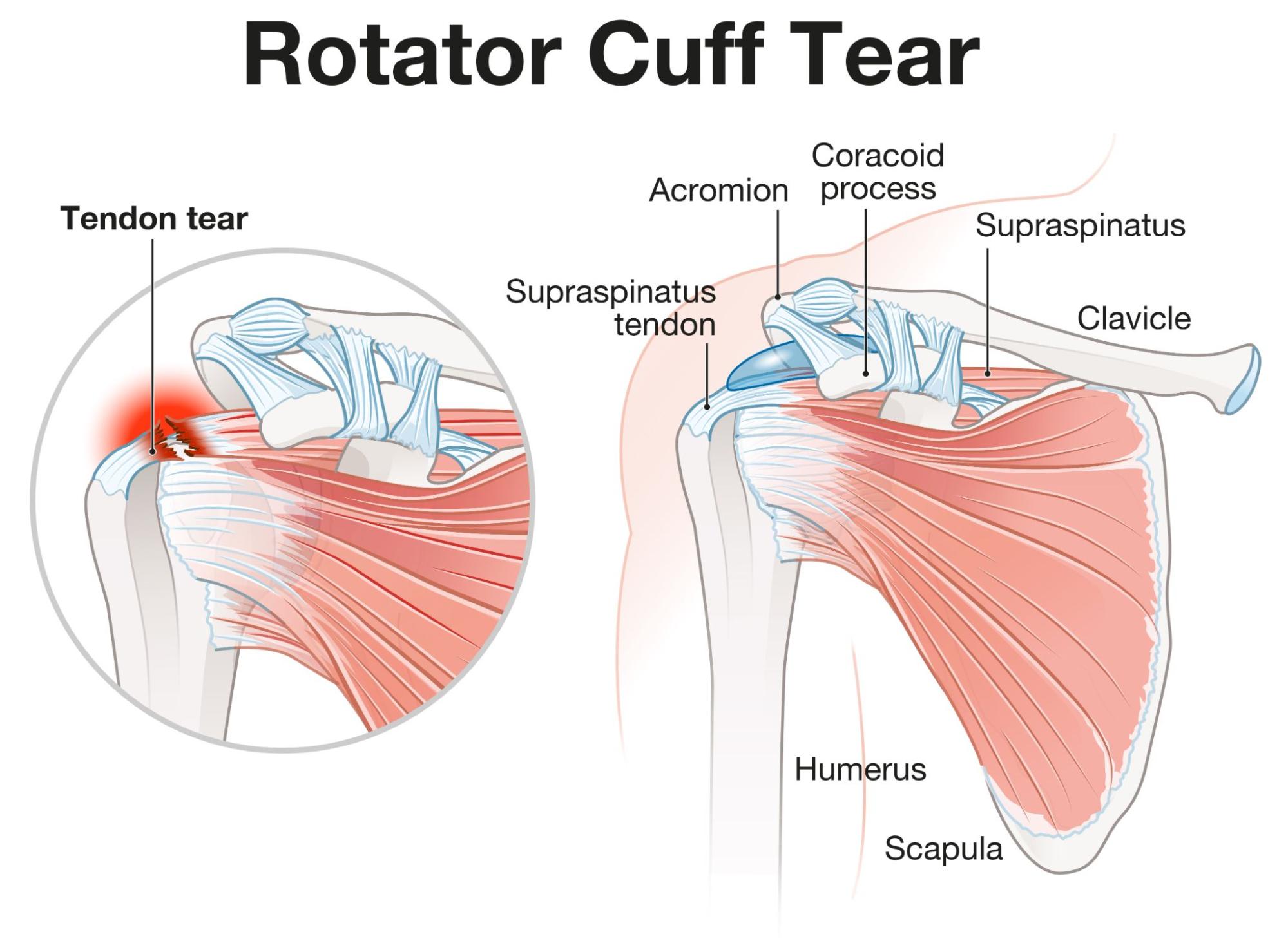
The symptoms associated with shoulder pain can vary depending on the underlying condition and the structures involved within the joint.
Medical assessment is recommended when shoulder pain is severe, persistent or begins to interfere with normal shoulder function and daily activities. Pain that continues for more than a few weeks despite rest or activity modification may indicate an underlying condition involving the tendons, joints or surrounding soft tissues. Individuals should also seek medical attention if the pain develops suddenly after a fall, sports injury or other trauma, particularly if there is marked weakness or difficulty lifting the arm.
Certain symptoms may suggest a serious shoulder injury and should not be ignored. Visible swelling, bruising or deformity around the shoulder may indicate dislocation, fracture or ligament damage. Numbness, progressive weakness or repeated episodes of shoulder slipping or instability may also require further assessment to identify the underlying cause and prevent worsening shoulder dysfunction over time.

Whether exercise is appropriate depends on the underlying cause of the shoulder pain and the severity of symptoms. Gentle controlled movement may help maintain mobility in some conditions, while certain exercises may worsen inflammation or tendon irritation if performed incorrectly.
Activities that significantly aggravate pain or place excessive strain on the shoulder should generally be avoided until proper assessment is performed. Physiotherapy-guided rehabilitation helps identify safe exercises, improve shoulder mechanics and restore strength without worsening the condition.
Shoulder pain can affect individuals of all ages, but some groups are more likely to develop shoulder problems due to repetitive strain, posture or age-related changes.
Shoulder pain can arise from multiple structures around the joint, which is why a thorough assessment is important before treatment begins.
To evaluate your condition, our doctors may perform the following:
At Apicare Pain Specialist, we focus on evidence-based, non-surgical treatment approaches to help relieve shoulder pain, restore mobility, and improve daily function. Treatment options may include:
Shoulder pain can interfere with everyday activities such as lifting, reaching, exercising or even sleeping comfortably. Whether the pain develops gradually from overuse and degeneration or occurs suddenly after an injury, persistent shoulder discomfort can affect mobility, strength and overall quality of life.
Treatment for shoulder pain focuses on relieving discomfort, improving movement and addressing the underlying source of irritation or inflammation. Depending on the condition, management may include targeted injections, nerve blocks, PRP therapy, shockwave therapy, dry needling and other non-surgical pain management approaches designed to support recovery and improve shoulder function.
If you are experiencing persistent shoulder pain, weakness or stiffness, schedule a consultation with Apicare Pain Specialist for a detailed assessment and a personalised treatment plan designed around your condition and recovery goals.
Common causes of shoulder pain include rotator cuff problems, shoulder impingement, frozen shoulder, tendon irritation and overuse injuries. The underlying cause varies depending on age, activity level and injury history.
Yes, some shoulder pain may actually originate from the cervical spine or surrounding nerves in the neck. Neck-related pain can radiate into the shoulder and upper arm.
Certain shoulder conditions become more painful when lying down because pressure and inflammation within the joint increase during rest. Pain may also become more noticeable when the shoulder is inactive.
Certain shoulder conditions become more painful when lying down because pressure and inflammation within the joint increase during rest. Pain may also become more noticeable when the shoulder is inactive.
Yes, rounded shoulders and poor posture can alter shoulder mechanics and increase strain on the muscles and tendons surrounding the joint.
Yes, repetitive lifting, overhead exercises or poor exercise technique may overload the shoulder structures and contribute to tendon irritation or muscle strain.
Yes, conditions affecting the rotator cuff, tendons or joint stability may reduce shoulder strength and make lifting or overhead movement more difficult.
Recovery timelines vary depending on the underlying condition and severity of injury. Mild strains may improve within weeks, while more significant tendon or joint problems may require longer rehabilitation.
Surgery may be considered when symptoms persist despite comprehensive non-surgical treatment or when significant structural injury is present, such as tendon tears or recurrent instability.
Yes, physiotherapy is commonly used to improve shoulder movement, strengthen supporting muscles and correct abnormal movement patterns contributing to pain.
No, shoulder pain can arise from several structures including the labrum, ligaments, joints, bursae, nerves or referred pain from the neck. Accurate assessment helps identify the underlying cause.
Dr Wilson Tay is skilled in ultrasound-guided pain interventions that provide safer, more precise relief without unnecessary radiation exposure. His expertise covers a wide range of conditions including spine pain, headaches, abdominal and pelvic pain, fibromyalgia and cancer pain.


MMed (Anaes) | FIPP (World Institute of Pain, USA) | FAMS (Anaes) | Grad Dip Acupuncture (Singapore)
Consultant Pain Specialist, Consultant Anaesthesiologist, Registered Acupuncturist MBBS
Dr Wilson Tay is skilled in ultrasound-guided pain interventions that provide safer, more precise relief without unnecessary radiation exposure. His expertise covers a wide range of conditions including spine pain, headaches, abdominal and pelvic pain, fibromyalgia and cancer pain.


