
Nucleoplasty is a minimally invasive procedure designed to treat lower back pain caused by a contained herniated disc or degenerative disc disease. This technique uses a specialised radiofrequency device to decompress the affected intervertebral disc by removing small amounts of disc material, thereby reducing pressure on nearby nerves, and alleviating pain.
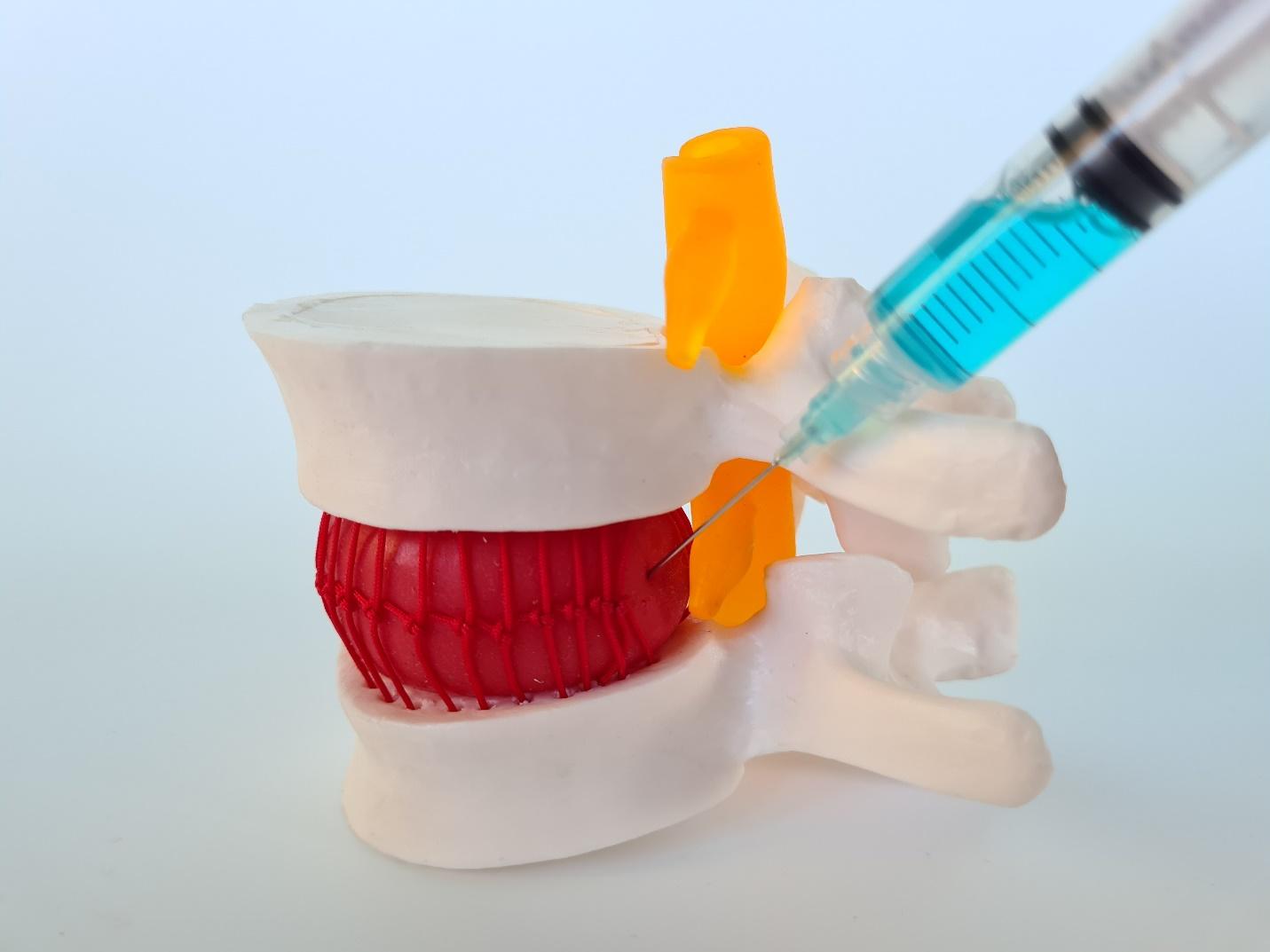
The treatment works by using coblation technology, which is a form of controlled radiofrequency energy, to dissolve targeted disc tissue with minimal heat. This subsequently preserves the surrounding structures. The procedure is typically performed under local anaesthesia with light sedation, and involves the following steps:
As daunting as it sounds, the entire procedure usually takes 30 – 60 minutes, and is performed on an outpatient basis, allowing patients to return home the same day.
Nucleoplasty offers a compelling solution for individuals seeking lasting relief from disc-related back or leg pain without undergoing open surgery. This minimally invasive treatment provides both immediate, and long-term benefits, helping patients return to their normal routines with improved function and comfort.
Some of the key benefits include:
BENEFITS | HOW IT HELPS |
Delays or avoids the need for surgery | For many patients, nucleoplasty can provide sufficient symptom relief to delay or completely avoid spinal surgery. It serves as a valuable intermediate option when conservative treatments have failed but surgery is not yet warranted. |
Minimally invasive with no incisions | Nucleoplasty is performed through a small needle puncture rather than a surgical incision. This significantly reduces trauma to surrounding muscles and tissues, minimises blood loss, and eliminates the need for stitches or general anaesthesia. |
Lower risk of complications | Due to the fact that nucleoplasty uses controlled radiofrequency energy, and is performed under image guidance, the risk of complications such as infection or nerve damage is significantly lower than with more invasive procedures. |
Performed as a day procedure | Nucleoplasty is done on an outpatient basis, meaning you can return home the same day, without the need for hospitalisation or overnight stays. |
Short recovery time | Patients often resume light activities within a few days, compared to weeks or months of recovery associated with traditional spine surgery. This makes nucleoplasty an ideal option for those looking to minimise downtime. |
Targeted pain relief | By precisely removing a small portion of the nucleus pulposus, nucleoplasty directly reduces intradiscal pressure, and relieves compression on nearby spinal nerves, leading to effective, and localised relief from back pain or sciatica. |
Fortunately, the treatment is considered safe, and well-tolerated, particularly when performed by an experienced specialist using image-guided precision. However, like all medical procedures, there are some potential risks:
Individuals who have been experiencing persistent lower back or leg pain that has not responded to non-surgical treatments are typically the most ideal candidates for nucleoplasty. Additionally, these candidates often meet the following criteria:
Other than that, patients with sequestered disc fragments, spinal instability or severe spinal stenosis may not be ideal candidates. Even so, a detailed assessment by our spine specialist, including medical history, and imaging review, will help determine if nucleoplasty is appropriate for your condition.

The treatment is designed to target discogenic pain, which is a common cause of lower back discomfort that stems from damage or pressure within the intervertebral discs. It is particularly effective for the following conditions:
| CONDITIONS | DESCRIPTION |
| Contained lumbar disc herniation | A contained herniation occurs when the disc bulges outward, but the outer layer is still intact. Nucleoplasty relieves pressure by reducing the disc’s internal volume, thereby alleviating pain caused by nerve root compression. |
| Degenerative disc disease (DDD) | As discs lose hydration, and height over time, they may bulge or collapse, placing strain on nearby nerves. Nucleoplasty can decompress the disc space, improving symptoms such as back stiffness, radiating leg pain or reduced mobility. |
| Mild disc protrusions with nerve irritation | For patients whose imaging shows nerve irritation without full disc rupture, nucleoplasty may reduce inflammation, and restore function without the need for more invasive spinal procedures. |
| Sciatica (radicular pain) | When a bulging disc compresses the sciatic nerve, pain can radiate down the leg. By decompressing the disc, nucleoplasty can relieve this nerve pressure, and reduce or eliminate sciatica symptoms. |
Recovery is typically smooth, and predictable, with minimal discomfort and a swift return to daily activities. But generally, here is what you can expect:

Typically, nucleoplasty is performed as a single-session treatment. The goal is to relieve pressure within the affected disc, and reduce nerve compression in just one minimally invasive procedure.
However, the need for additional sessions depends on several factors, including:
Nucleoplasty offers a safe, effective, and minimally invasive option for individuals with chronic discogenic lower back pain who are not ready for spinal surgery. By gently removing small portions of disc material, it reduces pressure on spinal nerves, and provides lasting relief with minimal downtime.
At Apicare Pain Clinic, our experienced team tailors each treatment to your specific diagnosis, and lifestyle goals. If you are seeking long-term relief from back or leg pain without major surgery, schedule a consultation with us today.
Most patients return to normal activities within a few days, though full recovery may take up to 2 weeks. During the post-treatment phase, it is highly encouraged to avoid strenuous exercise.
The procedure is performed under local anaesthesia, and mild sedation. While the treatment is not painful, most patients report minimal discomfort.
Many patients notice improvement within the first few days, but optimal results may take 2 – 4 weeks as inflammation resolves.
The disc will not regenerate, but the decompression helps relieve nerve pressure, and reduce pain, allowing improved function, and mobility.
Subsequent nucleoplasty sessions may be considered if symptoms recur. However, many patients enjoy long-term relief from a single procedure.
Coverage may vary depending on the insurer, and policy. It is best to check with your provider or speak to our clinic staff for guidance.