
Autologous Protein Solution (APS), also known as nSTRIDE APS, is an medical-grade regenerative therapy that uses the anti-inflammatory proteins, and growth factors from your own blood to treat osteoarthritis, and joint pain. This non-surgical treatment aims to reduce inflammation, protect cartilage, and improve joint function, particularly in the knee.
APS is derived from a small blood sample that is processed to concentrate the body’s own protective proteins, and cytokines. These components help counteract inflammation, and promote joint health, making APS an innovative solution for patients looking to delay or avoid surgery.
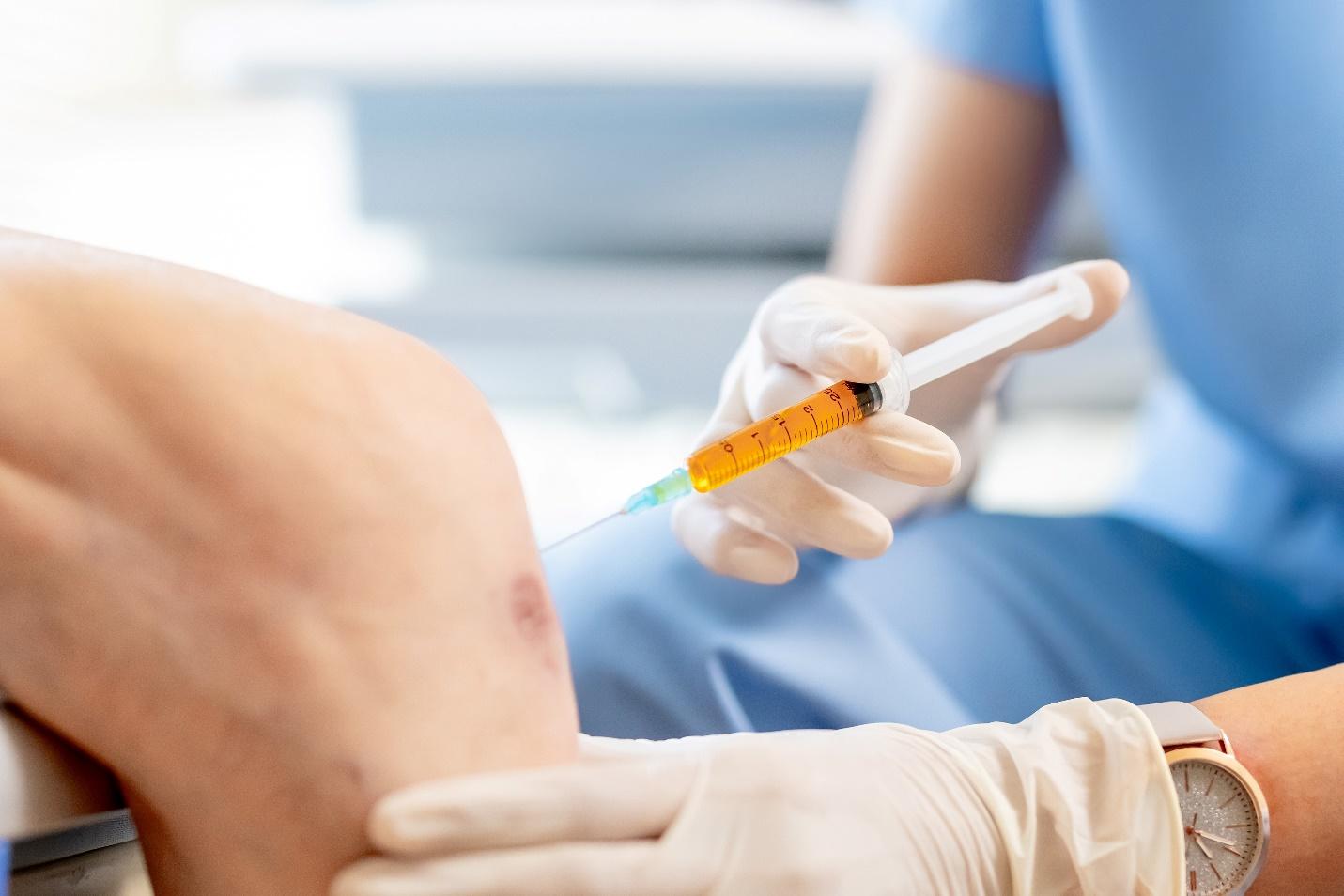
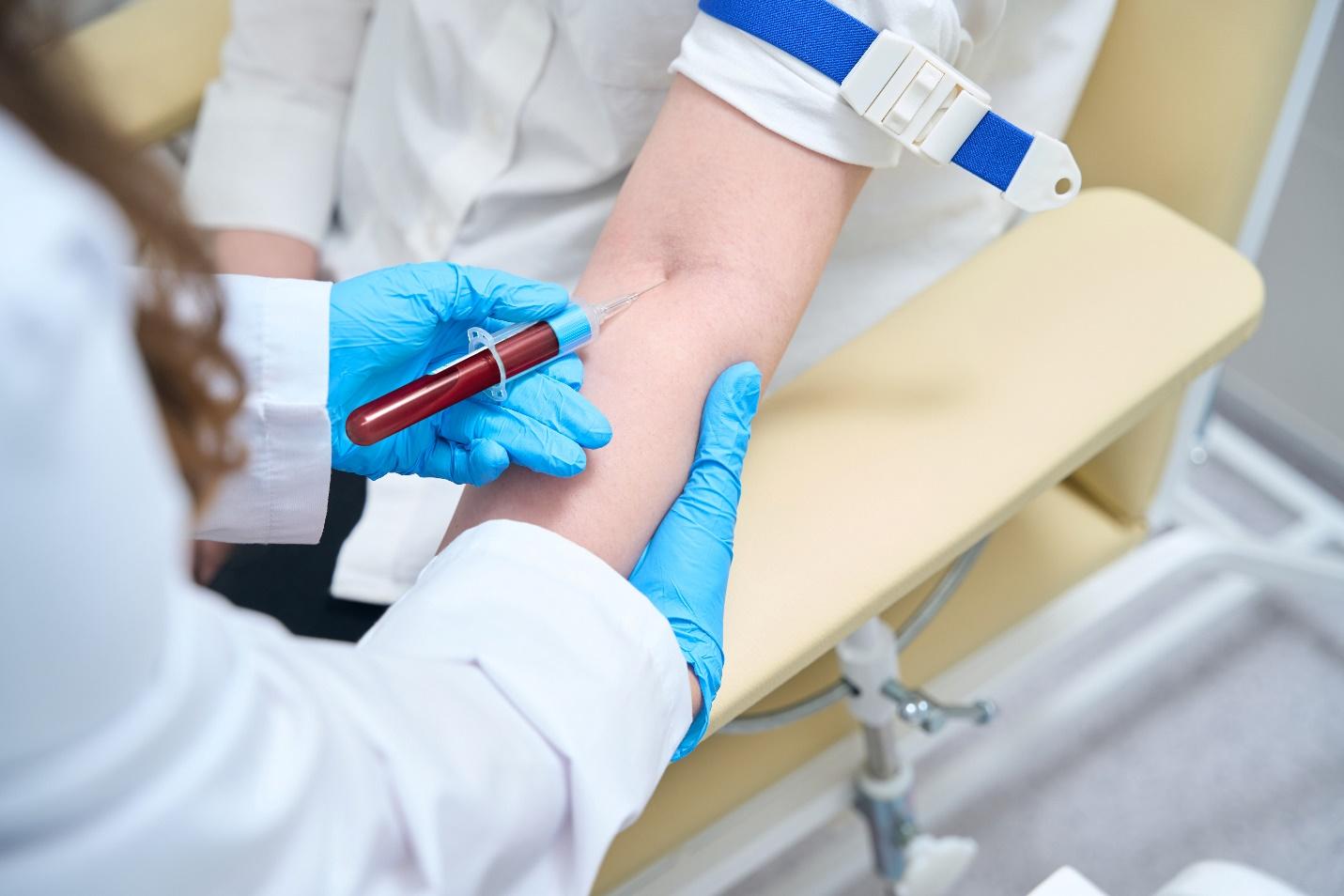
APS works by addressing the root cause of joint pain in osteoarthritis caused by inflammation. Rather than masking symptoms, APS targets the inflammatory cytokines within the joint, helping to slow cartilage breakdown, and promote healing.
The process includes:
Apart from offering a unique, personalised, and non-surgical solution for patients with mild to moderate osteoarthritis, some of the key benefits include:
This regenerative therapy is recommended for individuals seeking relief from chronic joint pain, especially in the knee, due to osteoarthritis. It offers a non-surgical solution for those aiming to manage their symptoms, and improve joint function without resorting to more invasive procedures.
As such, you may be a good candidate for the treatment if you:
APS is generally considered a safe, and well-tolerated treatment, especially as it is an autologous therapy, which means it is derived from your own blood. This significantly reduces the risk of allergic reactions or immune system rejection, making it suitable for many individuals who may not respond well to synthetic or pharmaceutical-based interventions.
However, like all injection-based procedures, there is a possibility of experiencing some mild, temporary side effects, such as:
Be that as it may, these effects are usually short-lived, and resolve without intervention within a few days.

Following your injection, it is common to feel mild soreness, stiffness or pressure in the treated joint for a day or two. This is a normal part of the body’s inflammatory, and healing response.

The benefits of APS therapy can last anywhere from 6 months to over a year, depending on several factors including:
Some patients experience significant pain relief, and functional improvement after just one injection. For others, repeat treatments may be considered every 9 to 12 months as part of a longer-term joint preservation strategy.
Since APS targets the underlying inflammation associated with osteoarthritis, and promotes a more stable joint environment, many patients report sustained improvement in joint comfort, and mobility over time.
Rest assured, our team will assess your outcome during follow-up reviews, and discuss whether further injections or alternative strategies are needed to maintain your joint health, and quality of life.
APS is an innovative, and minimally invasive treatment that uses your body’s own powerful anti-inflammatory proteins to reduce pain, restore mobility, and protect cartilage health. Especially effective for those with knee osteoarthritis, APS offers a non-surgical solution that may help delay or even avoid joint replacement surgery altogether.
If you are looking for a safe, regenerative approach to managing osteoarthritis, then book a personalised consultation with our expert team to find out if APS therapy is the right choice for your joint health journey.
No. While both APS, and PRP are derived from your blood, APS is more targeted and contains a higher concentration of anti-inflammatory proteins specifically aimed at treating joint inflammation caused by osteoarthritis.
APS is most effective in the early to mid-stages of osteoarthritis. Meanwhile, patients with advanced joint damage may require alternative treatments such as surgery.
In most cases, one injection is sufficient. However, this depends on your condition, and treatment goals. Our doctor will typically recommend the appropriate number based on your response.
The entire process, blood draw, preparation, and injection, typically takes around 60 – 90 minutes, and is performed in a single clinic visit.
APS is generally considered an elective treatment, and is not usually covered by insurance in Singapore. Regardless, please speak with our team about details on pricing, and payment options.