
Nerve pain, also known as neuropathic pain, occurs when a nerve becomes irritated, damaged or not functioning as it should. Unlike muscular or joint discomfort, nerve pain often feels sharp, burning, electric or intensely sensitive even to light touch. It can occur in any part of the body, affecting the arms, legs, face or trunk, depending on which nerves are involved.
Because nerves control both sensation and movement, untreated nerve pain may begin as mild discomfort but can progress into persistent, debilitating symptoms if the underlying issue is not addressed early.
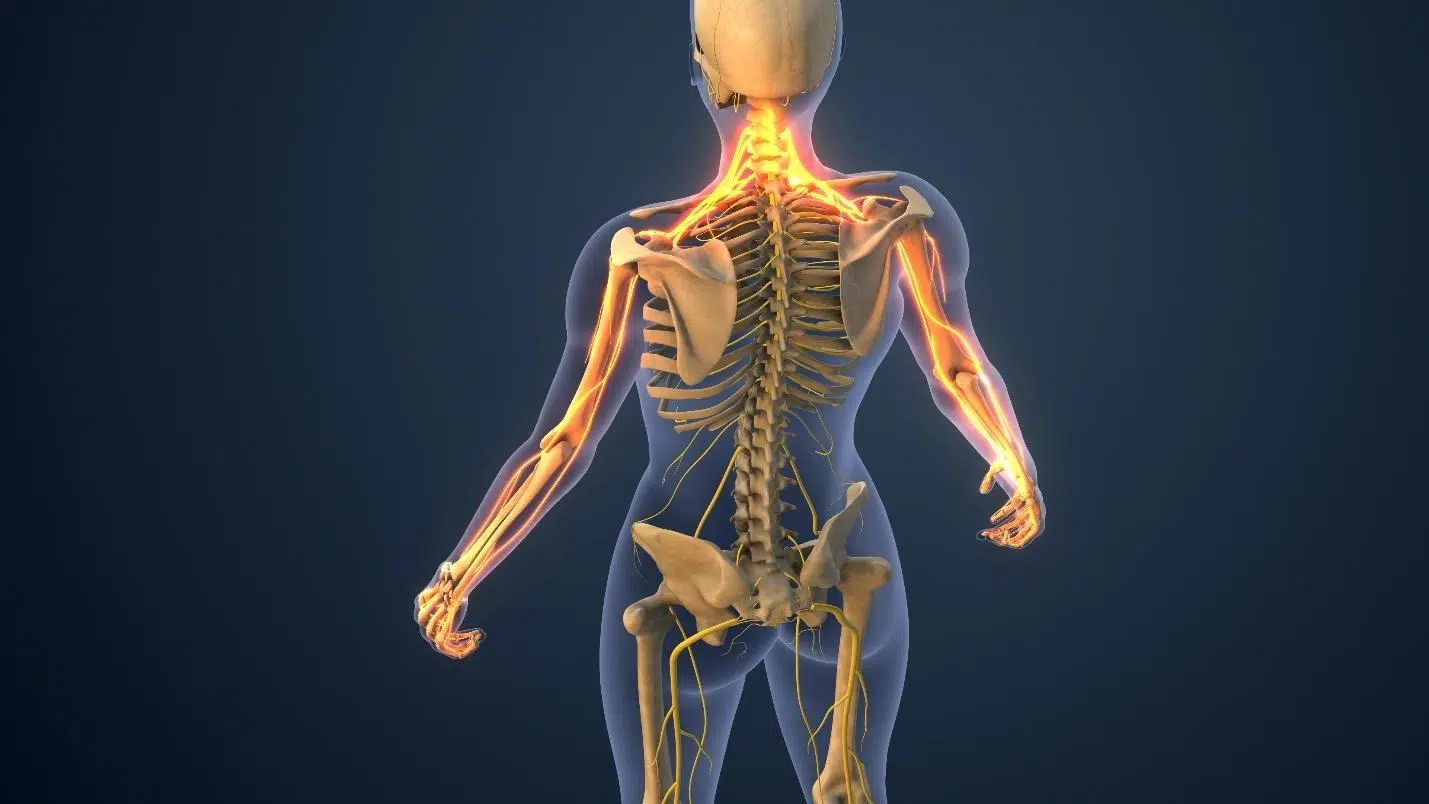
The condition can stem from a wide range of structural or medical issues. Some of the common causes include:

The symptoms vary depending on the nerve involved. But it may include:
Certain groups are more likely to develop nerve-related symptoms because their activities, health conditions or physical structure place extra stress on the nerve pathways. This includes:
When nerve-related symptoms are not addressed early, the underlying irritation can gradually worsen, leading to more complex and persistent problems. Over time, this may affect not only the nerve itself but also surrounding muscles, movement patterns and overall well-being, such as.

The diagnosis aims to determine which nerve is affected and what underlying factor is irritating or compressing it. This involves a combination of detailed discussion, physical assessment and targeted investigations when necessary.
Typically, the process involves:
The treatment for nerve pain focuses on reducing nerve irritation, supporting healing and preventing long-term dysfunction. Because nerve pain can arise from compression, inflammation, metabolic changes or trauma, the treatment is tailored to the individual’s condition and symptom severity.
Generally, our doctor will recommend a combination of several methods, which can include:
Medicines are used to regulate nerve activity, control inflammation and ease discomfort while the underlying issue is being addressed.
These options are useful for moderate to severe nerve pain, particularly when symptoms persist despite conservative care.
When nerve pain arises from anatomical changes, treatment may focus on restoring space or reducing pressure around the nerve.
Targeted rehabilitation is essential for easing pressure on the affected nerve and restoring natural movement.
Small adjustments can protect vulnerable nerves and prevent flare-ups.
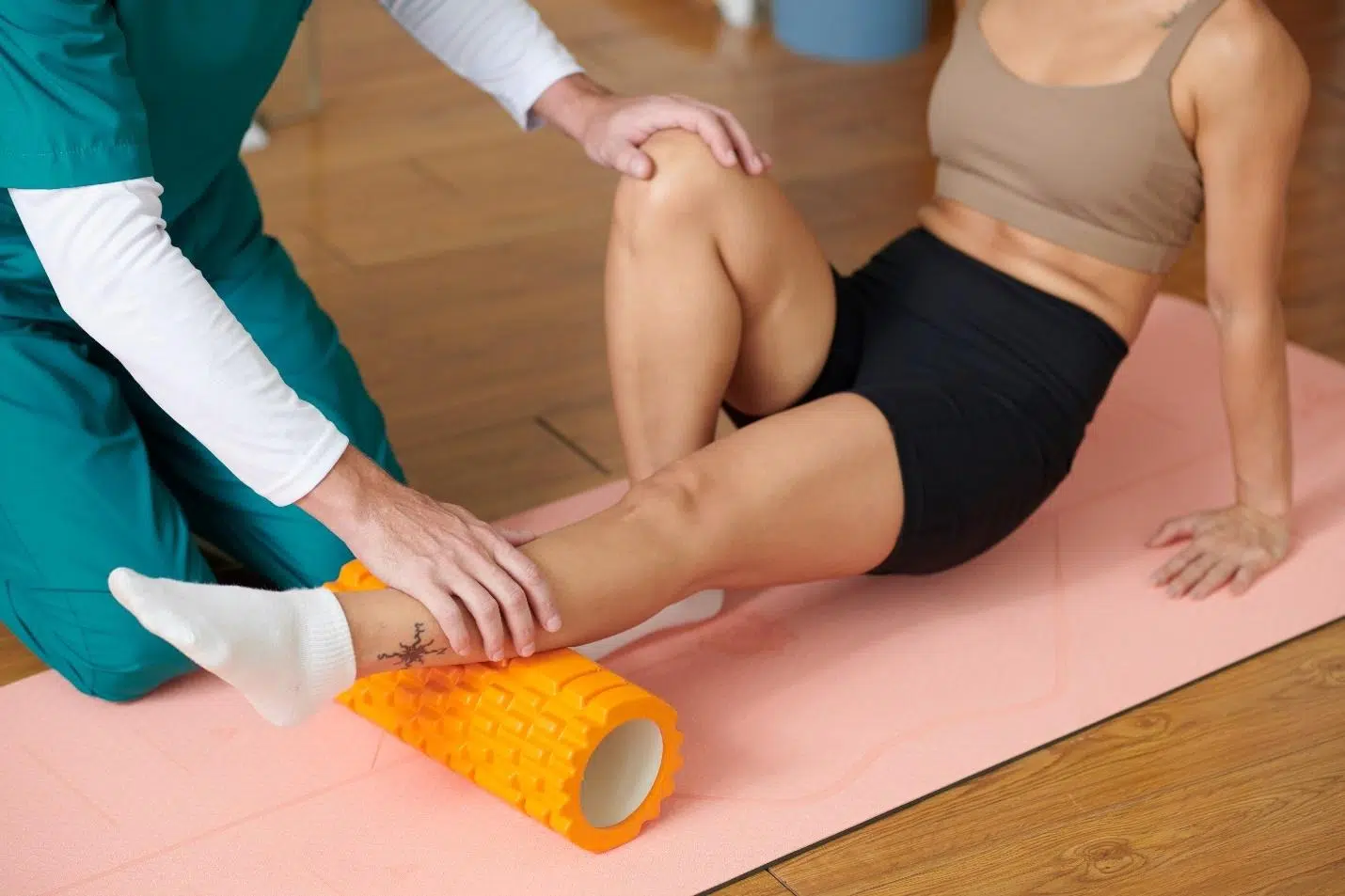

Nerve pain can be unsettling, especially when symptoms disrupt daily movement, sleep or work performance. With early assessment and the right treatment plan, most people experience meaningful relief and regain mobility. Management typically includes a blend of medication, nerve-focused rehabilitation and targeted procedures that calm irritation and support nerve recovery.
Addressing symptoms early is important. The longer a nerve remains inflamed or compressed, the harder it becomes to restore full function. If you are experiencing persistent numbness, tingling or shooting pain, a consultation with our doctor can help identify the root cause and guide you toward effective, evidence-based medical treatment.
Not always. Some people feel only intermittent tingling or mild burning, while others experience sharp or radiating pain. Early symptoms may be subtle but can progress if the underlying irritation is not treated.
Minor irritation may improve with rest and posture correction, but persistent symptoms often signal ongoing compression or inflammation. Without treatment, the nerve may become increasingly sensitive, making recovery slower.
When a nerve is compressed or inflamed, its ability to transmit signals to the muscles and skin becomes impaired. This can lead to reduced sensation or weakened muscle control in the areas the nerve supplies.
Yes. Long hours of sitting, poor posture, heavy lifting, repetitive motions or inadequate core strength can increase strain on nerve pathways, making symptoms more persistent.
No. Muscle pain is typically local and related to strain, while nerve pain often follows a specific pathway and may feel like burning, shooting or electrical sensations. Numbness or tingling also points to nerve involvement.
You should consult a doctor if you experience:
Not in every case. Imaging is recommended when symptoms suggest structural problems such as disc issues, narrowing around the nerve or previous injuries. Many cases can be diagnosed through clinical assessment alone.
In many cases, yes. Regular stretching, strengthening the core, adjusting your workstation, maintaining a healthy weight and avoiding repetitive strain help reduce pressure on nerves.
No. They are typically recommended when conservative measures do not provide sufficient relief or when inflammation around a nerve is significant. Our doctor will assess whether an injection is appropriate for your symptoms.
Most people recover well with the right treatment. However, prolonged untreated compression can make symptoms harder to reverse. Early diagnosis offers the best chance for full recovery.
Dr Wilson Tay is skilled in ultrasound-guided pain interventions that provide safer, more precise relief without unnecessary radiation exposure. His expertise covers a wide range of conditions including spine pain, headaches, abdominal and pelvic pain, fibromyalgia and cancer pain.


MMed (Anaes) | FIPP (World Institute of Pain, USA) | FAMS (Anaes) | Grad Dip Acupuncture (Singapore)
Consultant Pain Specialist, Consultant Anaesthesiologist, Registered Acupuncturist MBBS
Dr Wilson Tay is skilled in ultrasound-guided pain interventions that provide safer, more precise relief without unnecessary radiation exposure. His expertise covers a wide range of conditions including spine pain, headaches, abdominal and pelvic pain, fibromyalgia and cancer pain.


