
Endometriosis is a long-term condition where tissue similar to the lining of the womb (endometrium) grows outside the uterus. These growths most commonly appear on the ovaries, fallopian tubes, or pelvic walls.
This misplaced tissue responds to monthly hormonal changes just like the uterine lining, where it thickens, breaks down and bleeds with each menstrual cycle. However, because the blood and tissue have no way to leave the body, they become trapped within the pelvic cavity, leading to inflammation, irritation, scar tissue (adhesions) and pain.
It is estimated that 1 in 10 women of reproductive age is affected by endometriosis globally, and similar rates are seen in Singapore. Despite this, many cases go undiagnosed for years due to overlapping symptoms with other pelvic or digestive conditions.
The condition can range from mild to severe. Some women experience debilitating menstrual or pelvic pain, while others may have minimal symptoms despite extensive disease. Beyond physical discomfort, endometriosis can also influence fertility, emotional well-being and daily quality of life, making early recognition and management essential.
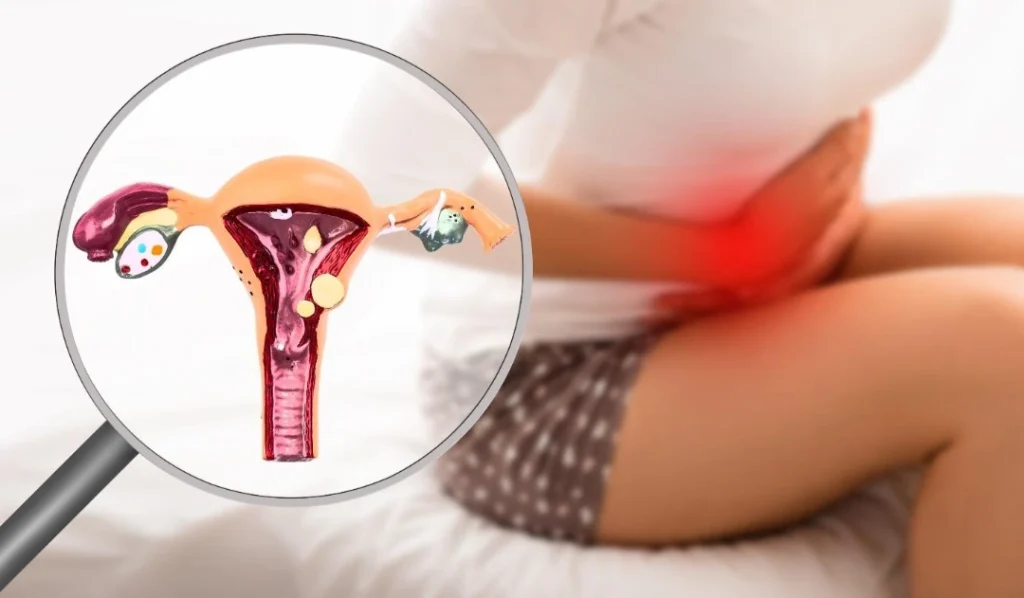
The condition is classified into 4 stages based on the spread, depth and extent of lesions and adhesions:
| STAGE | SEVERITY | DESCRIPTION |
|---|---|---|
| 1 | Minimal | Small, shallow spots or implants may appear on the pelvic lining or organs. Symptoms may still be significant despite minimal disease seen on imaging or laparoscopy. |
| 2 | Mild | More lesions appear, some of which may be deeper. Minor adhesions can begin to form around the reproductive organs. |
| 3 | Moderate | Multiple deep lesions and thicker adhesions develop, often affecting the ovaries and fallopian tubes. This can start to distort normal pelvic anatomy and cause fertility issues. |
| 4 | Severe | Extensive implants, large ovarian cysts (endometriomas), and dense adhesions may involve several pelvic organs, such as the uterus, bladder and bowels. This stage often causes significant pain and reduces fertility. |
It is important to note that the stage of the disease does not always reflect symptom severity. Someone with mild endometriosis may have intense pain, while another with advanced disease may feel little discomfort.
The exact causes remain unclear, but severe biological mechanisms may explain how the condition develops. This includes:
These mechanisms ultimately create chronic inflammation and fibrosis, leading to pain, stiffness and impaired organ function.
Endometriosis can impact various aspects of daily life, including physical well-being, emotional health, and work productivity. Persistent pain, fatigue and unpredictable symptoms often interfere with routine activities, exercise and intimacy. Many women also report heightened anxiety, frustration or isolation due to the chronic and often invisible nature of their pain.
When the condition is left untreated, it can lead to:
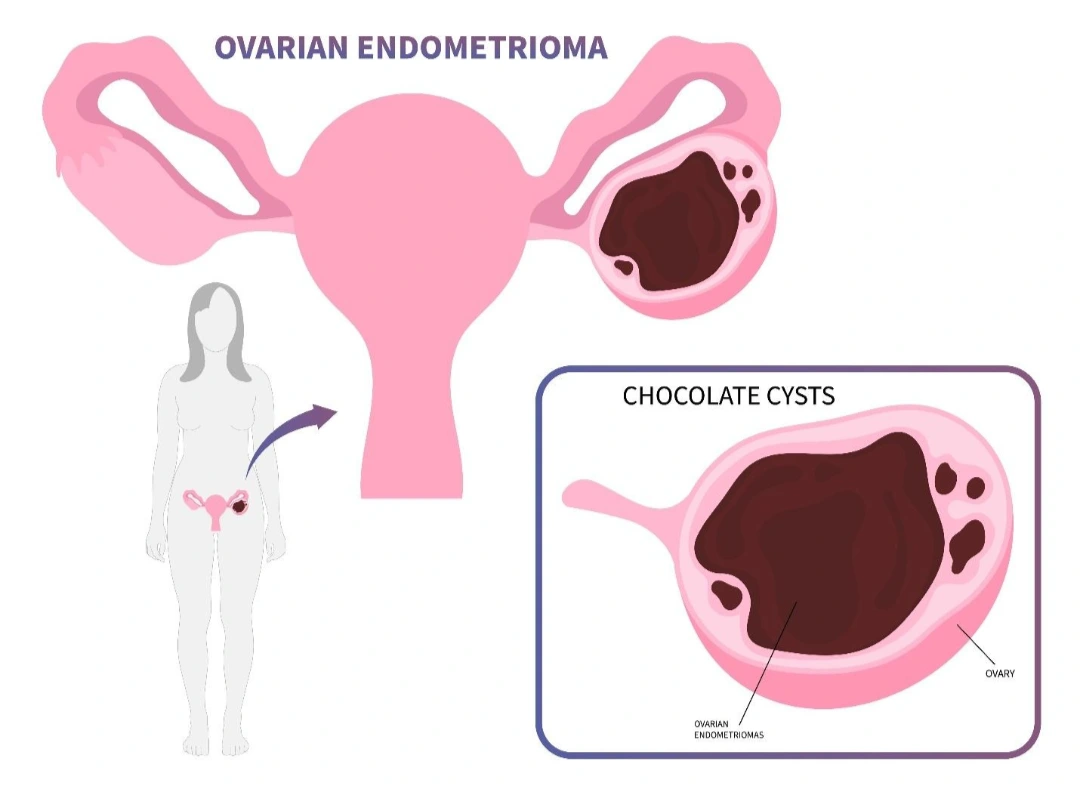
The symptoms can vary widely and sometimes overlap with other pelvic or digestive disorders. This can often contribute to delayed diagnosis. Some of the common symptoms include:
While endometriosis can affect anyone who menstruates, some individuals are more likely to develop it due to a combination of genetic, hormonal and environmental factors. This includes, but is not limited to:
The diagnosis typically combines careful clinical evaluation with imaging and, when needed, minimally invasive procedures. This generally entails:
Many women live with endometriosis for years before diagnosis. In fact, it often takes between 7 to 10 years to reach a conclusive diagnosis. Several factors contribute to this delay, such as:
The treatment depends on the severity of the condition, the patient’s symptoms and fertility goals. However, it is important to understand that there is no cure for endometriosis. As such, treatment often focuses on managing the symptoms and preventing flare-ups.
This entails:
You should seek a medical assessment if you experience:

It goes without saying that endometriosis is a complex yet manageable condition. While diagnosis is often delayed, growing awareness and better diagnostic tools are helping women find answers earlier. With the right combination of medical therapy, lifestyle care and supportive treatment, most patients achieve significant pain reduction and improved quality of life.
If you experience ongoing pelvic pain, painful periods or fertility concerns, schedule a consultation with our doctor for a personalised assessment and early treatment.
No. The level of discomfort does not always reflect the extent of the condition. Some individuals with advanced endometriosis may have minimal symptoms, while others with early-stage disease experience significant pain. The location of tissue growth and individual sensitivity both play a role.
Without time management, endometriosis can gradually lead to several complications, including:
Yes. Recurrence can occur, particularly if hormonal therapy is discontinued or if only partial tissue removal was possible during surgery. As such, regular medical follow-up and maintenance treatment can help lower the risk of recurrence and manage flare-ups early.
There is currently no known permanent cure. However, the condition can be managed effectively with a combination of medication, hormonal therapy, physiotherapy or surgery. The aim of treatment is to relieve pain, slow progression and improve quality of life.
Yes. Many women with endometriosis conceive naturally, though some may face challenges due to inflammation or scarring around the ovaries and fallopian tubes. Fertility support, such as assisted reproductive techniques, may be recommended in moderate to severe cases.
The estimated likelihood of natural conception according to the disease severity is:
| STAGE OF ENDOMETRIOSIS | ESTIMATED NATURAL CONCEPTION RATE | APPROXIMATE IMPACT ON FERTILITY |
|
Stage 1 |
70% to 80% (near normal fertility) |
Minimal effect |
|
Stage 2 |
Slightly reduced fertility |
|
|
Stage 3 |
Noticeable reduction in fertility |
|
|
Stage 4 |
Significant difficulty conceiving |
These figures are broad estimates and should be interpreted with caution. Fertility varies widely between individuals and depends on factors such as age, egg quality, partner’s fertility, lifestyle and response to treatment.
Even in advanced cases, many women successfully conceive with appropriate medical support or assisted reproductive techniques.