
Pelvic Pain

Pelvic Pain is discomfort that develops in the lower part of the abdomen, the area between the belly button and the hips. While many people link pelvic pain mainly to gynaecological issues, it is actually a complex symptom that may also arise from the urinary tract, digestive system, muscles, ligaments or even nerves in the pelvic region. Because many structures in the pelvis lie close together, it can be challenging to determine the source of pain without a medical assessment.

Beyond the physical discomfort, pelvic pain can have a profound impact on quality of life. Persistent pain may limit mobility, disrupt sleep and interfere with daily activities such as work, exercise and social life. For women, it can affect intimacy, fertility and menstrual health. For men, it may be tied to urinary or prostate conditions, causing embarrassment or anxiety. Over time, constant discomfort often takes a toll on mental health, leading to frustration, low mood or heightened stress.
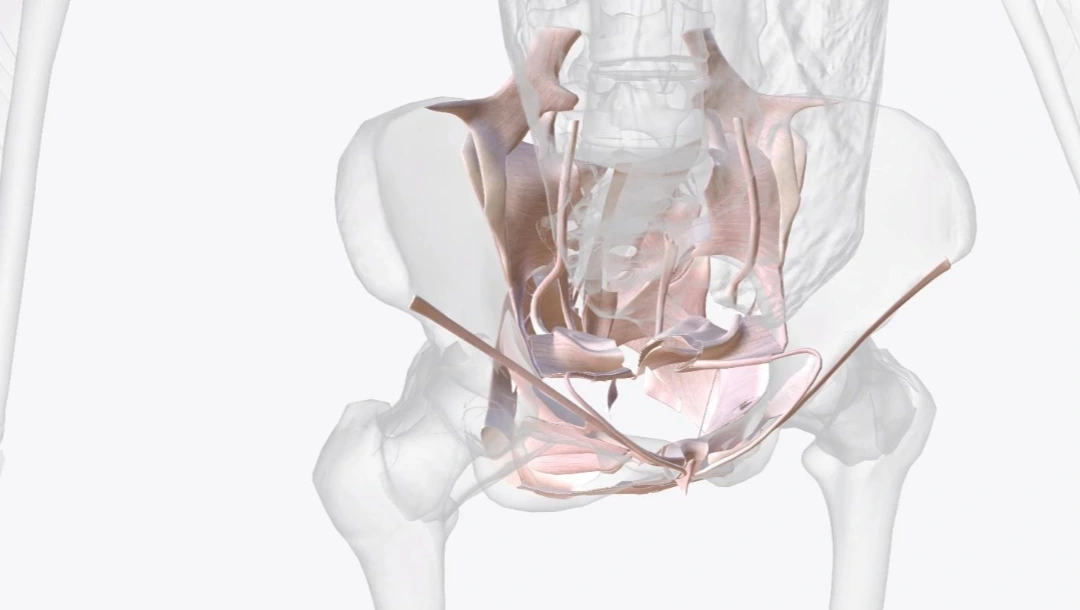
causes of pelvic pain.
Pelvic pain can occur when tissues within the pelvis become irritated or inflamed, affecting muscles, nerves or nearby organs.

What are the types of pelvic pain?

The pain can manifest in different ways. This depends on its patterns and duration, which can include:
  • Acute pelvic pain – develops suddenly and may indicate urgent conditions such as appendicitis, ovarian torsion or urinary tract infection (UTI).
  • Chronic pelvic pain – lasts for more than 6 months and can significantly affect mobility, mood and quality of life.
  • Cyclical pain – occurs in a repeating pattern, often linked to the menstrual cycle.
  • Non-cyclical pain – unrelated to menstruation and may arise from the bladder, bowel or musculoskeletal system.
  • Localised pain – felt in a specific spot, such as the left or right side of the pelvis.
  • Generalised pain – spreads across the lower abdomen and pelvis, sometimes radiating to the lower back or thighs.

What causes pelvic pain?

pelvic pain Singapore.
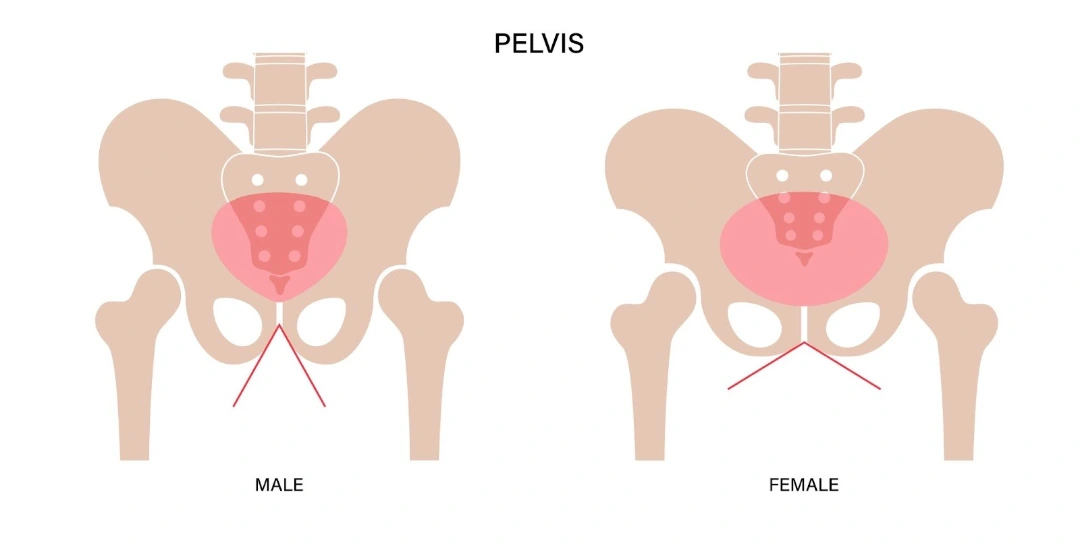
Both men and women can experience pelvic pain. While pelvic structures differ between the sexes, discomfort may arise from muscles, organs or nerves within the region.

The causes of pelvic pain do not arise from a single source. It is the result of different mechanisms in the body that trigger discomfort in the lower abdomen. Some of the most common causes include:

  • Inflammation when tissues in the pelvis become irritated or inflamed, nerve endings in the area send stronger pain signals to the brain. This can happen in response to infection, injury or chronic irritation.
  • Muscle tension or spasm tightening of the pelvic floor or abdominal muscles can create a cramping, pressure-like pain. Prolonged tension may also restrict blood flow, further worsening the discomfort.
  • Nerve irritation – the pelvis houses a network of nerves. If one becomes compressed or irritated, sharp or burning pain may radiate to the back, hips or legs.
  • Pressure or stretching of organs swelling, bloating or growths can stretch the tissues in the pelvis, activating pain receptors. Even normal changes, such as menstrual cycles or digestive movements, may contribute.
  • Circulatory changes – reduced or obstructed blood flow in the pelvic vessels can lead to a heavy, aching sensation. This is similar to how varicose veins cause discomfort in the legs.
  • Referred pain – sometimes the pelvis feels sore even when the problem originates elsewhere, such as the spine or lower abdomen. This happens because nerves can “overlap” in the way they transmit pain.

What are some conditions associated with pelvic pain?

Pelvic pain may arise from different health conditions. However, men and women experience different conditions, such as:

What are the symptoms associated with pelvic pain?

Discomfort in the pelvic region rarely appears in isolation. It often comes with other symptoms that provide further hints about its origin. These may include:
  • Changes in urinary habits – needing to pass urine more often, difficulty emptying the bladder or experiencing pain during urination.
  • Digestive disturbances – bloating, constipation, diarrhoea or pain related to bowel movements.
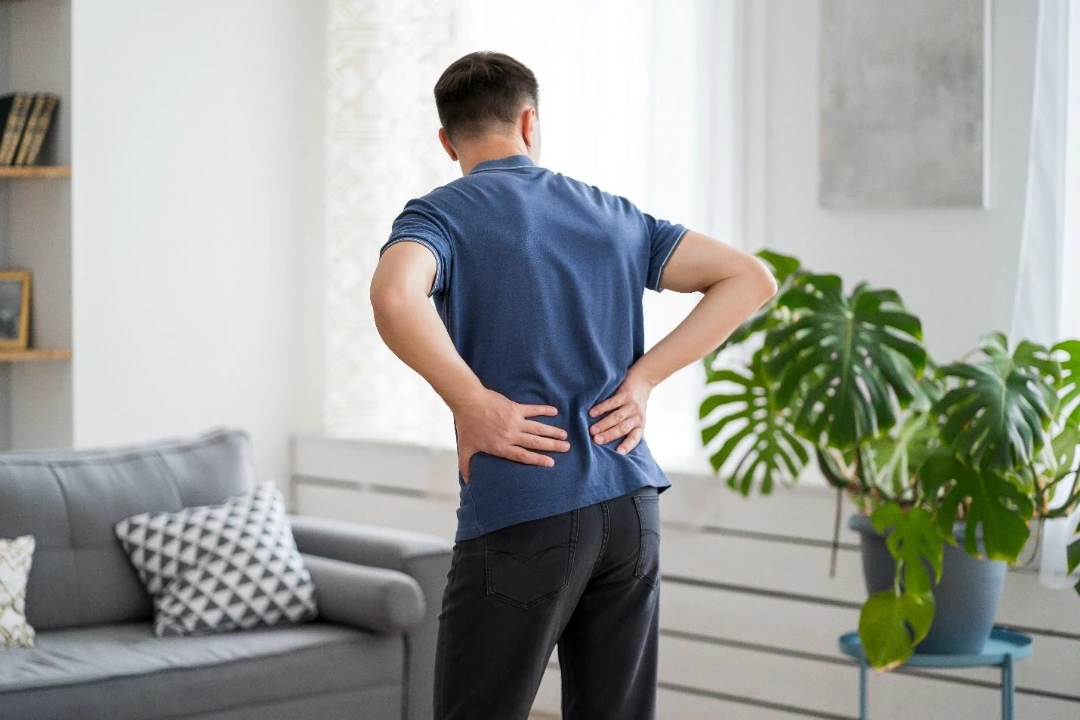
  • Lower back or hip pain – discomfort that radiates outward, reflecting how closely the pelvic structures connect with the spine and surrounding muscles.
  • Menstrual irregularities – heavier bleeding, spotting between cycles or pain that intensifies during menstruation.
  • Pain during intimacy – discomfort felt during or after sexual activity, which may point to underlying gynaecological or muscular causes.
  • General fatigue or malaise – persistent pain can drain energy levels, affect sleep and reduce overall quality of life.
symptoms of pelvic pain.
Pelvic pain can be accompanied by an array of symptoms, such as lower back pain and hip pain. These accompanying symptoms can help guide doctors in identifying the potential causes of pelvic pain.

What pelvic pain symptoms require immediate attention?

But certain symptoms do signal the need for urgent medical attention, which are:

  • Pain accompanied by fever, chills or nausea
  • Pain with blood in urine or difficulty urinating
  • Pain with heavy vaginal bleeding or abnormal discharge
  • Persistent bloating
  • Sudden or severe pain that does not improve with rest
  • Unintended weight loss or loss of appetite

How is Pelvic Pain diagnosed in Singapore?

Getting to the bottom of pelvic pain requires more than guesswork. Doctors often combine detailed questioning with modern diagnostic tools to piece together the full picture. The process is designed not only to identify where the pain is coming from, but also to rule out serious conditions that might otherwise go unnoticed. A typical evaluation may include:

  • Medical history and physical examination – discussing your symptoms, medical background and lifestyle habits, followed by a gentle abdominal and pelvic examination.
  • Pelvic examination (for women) – helps detect issues such as ovarian cysts, fibroids or infections.
  • Laboratory tests – blood, urine, and vaginal swab tests can identify infections or inflammation.
  • Imaging studies – ultrasound, CT scans or MRI scans allow doctors to visualise internal organs for cysts, tumours, or blockages.
  • Diagnostic laparoscopy – a minimally invasive procedure using a small camera to directly view the pelvic organs, often performed when endometriosis or other hidden causes are suspected.

How is Pelvic Pain treated in Singapore?

treatment for pelvic pain.
Physiotherapy eases the pelvic muscles, resulting in alleviated pain and offering relief.

Managing pelvic pain begins with identifying what is driving the discomfort. Treatment often involves a blend of medication, targeted procedures, and supportive care. We tailor every plan to address both immediate relief and long-term quality of life. This may involve a standalone treatment or a combination of the following:

Summary

Pelvic pain can be disruptive and worrying, but it does not have to take over your life. With so many possible causes ranging from muscular tension to reproductive or urinary issues, finding the right diagnosis is the first step toward lasting relief. Modern medicine offers a variety of solutions, from simple lifestyle changes to advanced procedures, all designed to improve comfort and restore confidence in daily life.

At Apicare Pain Clinic, we are committed to more than just easing symptoms. Our focus is on uncovering the root cause and creating a treatment plan that truly works for you. If pelvic pain has been holding you back, do not wait any longer. Book an appointment today and take the first step towards regaining control, comfort and quality of life.

treatment for pelvic pain.
Physiotherapy eases the pelvic muscles, resulting in alleviated pain and offering relief.

Frequently Asked Questions (FAQs)

Get In Touch

Make an enquiry or
Request a consultation