
Facial pain refers to discomfort felt in any part of the face, including the jaw, cheeks, forehead, temples or around the eyes. It can range from mild and intermittent to severe and disabling, depending on the underlying cause. Some people experience aching or pressure-like pain, while others struggle with sharp, electric shock–like sensations along nerve pathways. Because the face contains multiple nerve branches, muscles, joints and sinuses, identifying the true source of pain is essential for effective treatment.
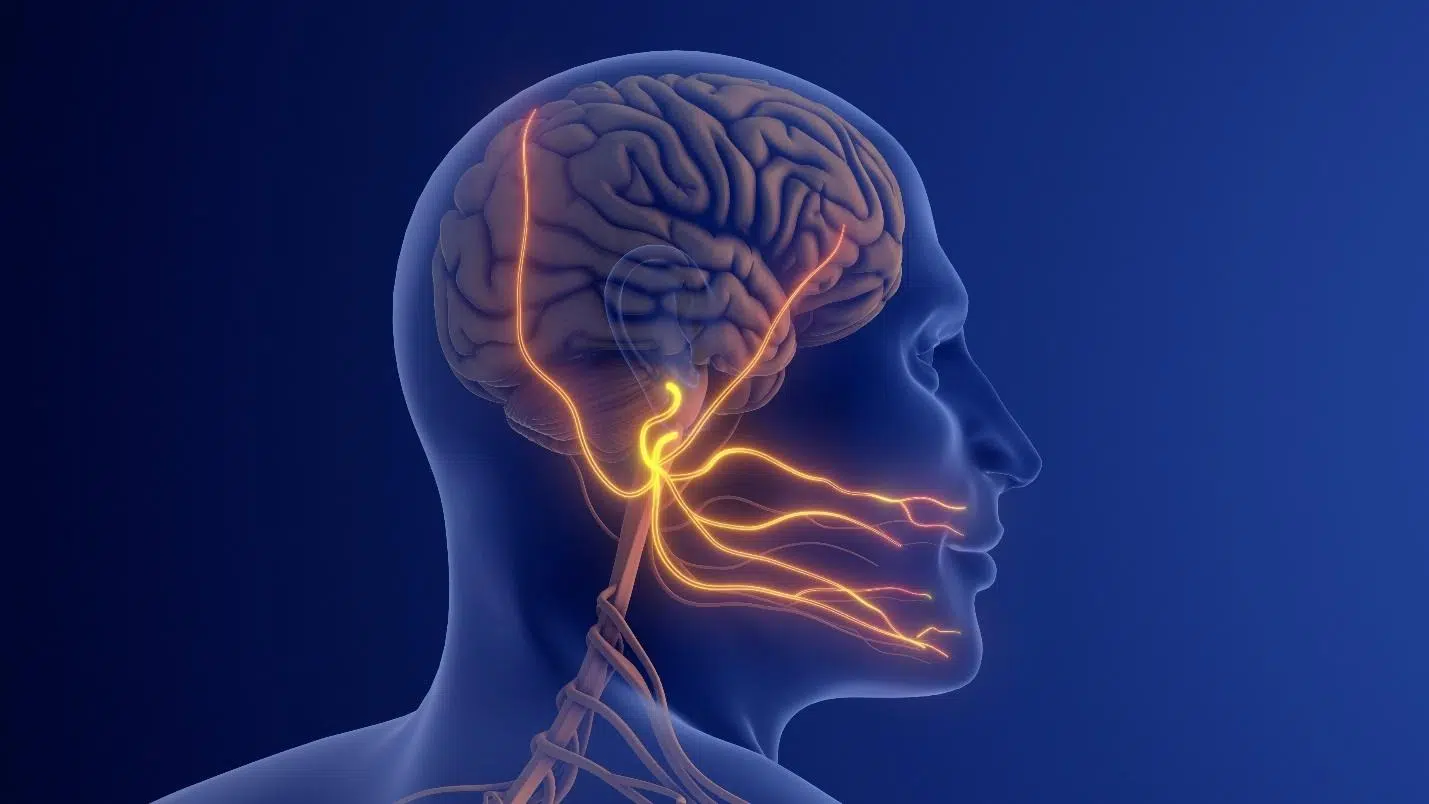
The condition can arise from different structures within the face. As such, doctors often classify it into categories based on the origin of the pain.
This includes:
| CLASSIFICATION | CHARACTERISTIC | TYPES |
| Nerve-related facial pain | These conditions involve irritation, inflammation or compression of facial nerves, often causing sharp, electric or burning sensations. |
|
| Sinus-related facial pain | Inflammation or congestion in the sinus cavities creates pressure around the cheeks, forehead and eyes. |
|
| Muscular and TMJ-related pain | Tension or dysfunction in the jaw joint and surrounding muscles leads to aching or movement-related pain. |
|
| Vascular causes | Changes in blood vessel function can produce distinct pain patterns. |
|
| Dental and oral pain | Problems from teeth or gums can radiate into the face. |
|
| Atypical Facial Pain (AFP) | Persistent, unexplained facial pain not following typical patterns. |
|
A variety of structures in the face can become irritated, compressed or inflamed. Some of the common underlying mechanisms are:
The symptoms vary with the cause, but they may include:
Anyone can experience facial pain, but certain factors increase the likelihood of developing persistent or recurrent symptoms. These influences affect the nerves, muscles, joints or sinuses, making them more sensitive to irritation or inflammation.
Some of the common risk factors include:
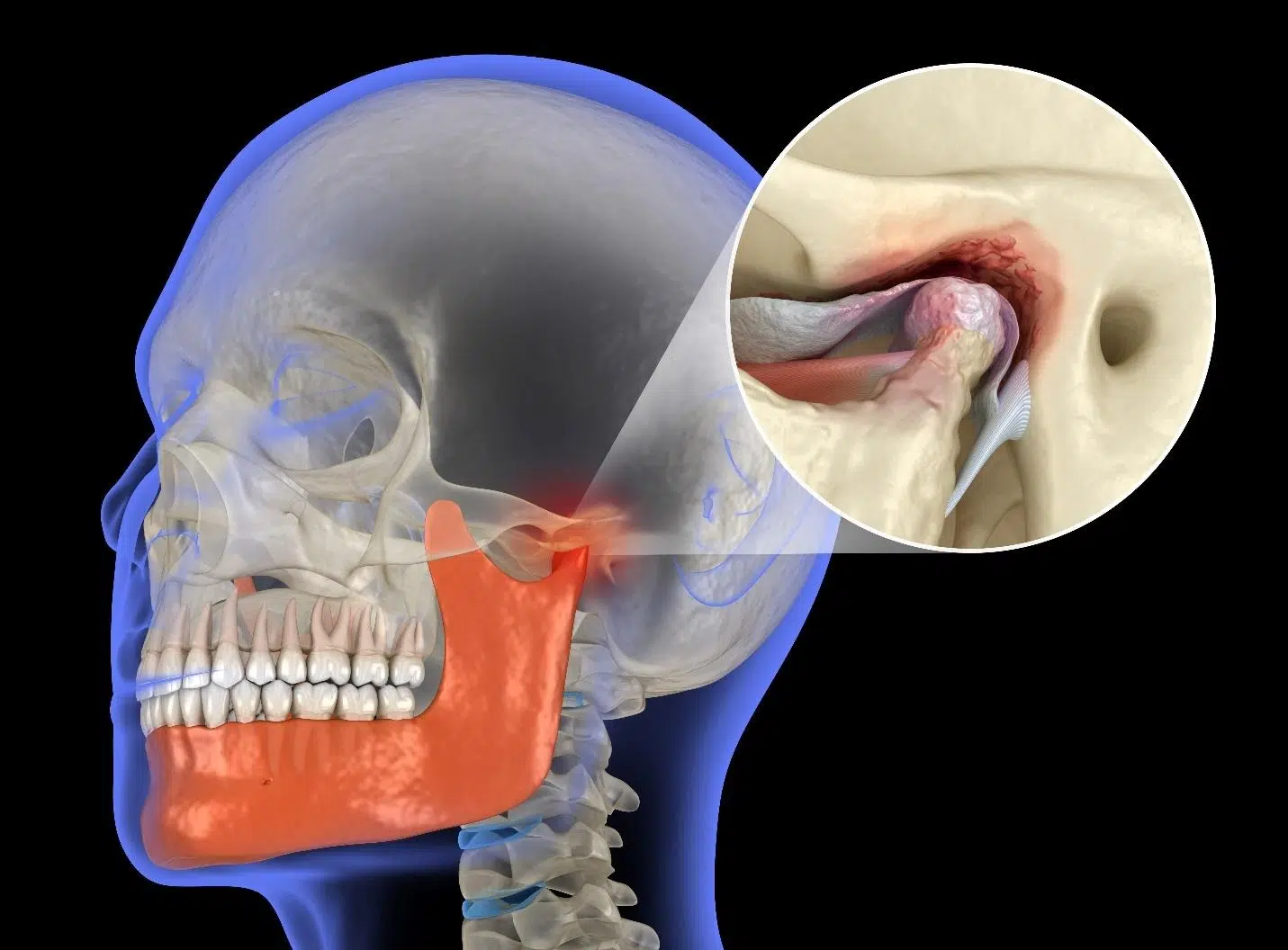
Because facial pain can arise from nerves, muscles, joints, teeth or the sinuses, diagnosis requires a careful and structured approach. The goal is to identify the exact source of discomfort and rule out conditions that may mimic one another. A thorough evaluation typically involves:

The treatment for facial pain typically focuses on identifying the underlying cause and providing targeted relief. Because facial pain can arise from nerves, muscles, joints or sinuses, the treatment plans are personalised. It may also involve several complementary approaches to address both symptoms and contributing factors.
Medication is often used to reduce pain, calm inflammation or address nerve sensitivity. Although medicines do not correct structural issues, they play an important role in short-term relief and long-term symptom control.
These treatments are considered when conservative or medication-based approaches are not enough to control pain.
These therapies target dysfunctional jaw muscles, neck tension or postural issues that may contribute to facial pain. They aim to restore movement, reduce strain and prevent flare-ups.
When facial pain stems from bite alignment, teeth grinding or TMJ dysfunction, targeted interventions support better jaw mechanics.
Small adjustments can significantly reduce facial muscle strain and prevent symptom recurrence.
Since facial pain can stem from multiple sources, it is important to receive an accurate diagnosis before beginning treatment. With the right assessment and a personalised plan, most people experience meaningful relief and a return to comfortable daily activities.
A combination of medication, rehabilitative therapies or minimally invasive procedures may be recommended depending on what is driving the pain. Early evaluation prevents symptoms from becoming chronic, protects facial nerves and joints and supports better long-term outcomes.
If facial discomfort is affecting your quality of life, schedule an appointment with our pain specialist and receive timely medical attention and a treatment plan tailored to your needs.

Not necessarily. Some causes, such as muscle tension or mild sinus congestion, are temporary. However, persistent or severe pain may indicate nerve issues, TMJ disorders or dental problems that require medical evaluation.
Jaw movement activates both the temporomandibular joint and the surrounding facial muscles. If these structures are inflamed, misaligned or strained, even simple movements can trigger discomfort.
Yes. Tension in the jaw or facial muscles often radiates to the temples or forehead, causing headaches. TMJ-related issues may also create ear fullness, ringing or dull ear pain.
It can. Stress increases the likelihood of jaw clenching and teeth grinding, which overload muscles and joints in the face, leading to aching or tightness.
This varies. Muscle-related pain may improve within days to weeks with physiotherapy or posture changes. Nerve-related pain may take longer and often responds best to a combination of medication and minimally invasive procedures.
Not always. Imaging is recommended only when symptoms suggest structural causes such as sinus disease, TMJ damage or nerve compression.
Prevention focuses on addressing habits that strain facial muscles or joints, maintaining good posture, managing stress, having regular dental check-ups and avoiding excessive jaw overuse.
Most treatments are low-risk. Medications may cause temporary side effects, while injections or minimally invasive procedures may result in brief soreness. Serious complications are rare and our doctor will review your suitability before treatment.
Individuals with active infections, allergies to specific medications, bleeding disorders or uncontrolled medical conditions may need alternative approaches. Our doctor will advise based on your health profile.
Seek medical help if facial pain lasts more than a few days, interferes with eating or speaking, causes numbness or weakness or occurs after an injury or dental procedure.
Dr Wilson Tay is skilled in ultrasound-guided pain interventions that provide safer, more precise relief without unnecessary radiation exposure. His expertise covers a wide range of conditions including spine pain, headaches, abdominal and pelvic pain, fibromyalgia and cancer pain.


MMed (Anaes) | FIPP (World Institute of Pain, USA) | FAMS (Anaes) | Grad Dip Acupuncture (Singapore)
Consultant Pain Specialist, Consultant Anaesthesiologist, Registered Acupuncturist MBBS
Dr Wilson Tay is skilled in ultrasound-guided pain interventions that provide safer, more precise relief without unnecessary radiation exposure. His expertise covers a wide range of conditions including spine pain, headaches, abdominal and pelvic pain, fibromyalgia and cancer pain.


