
The knee is one of the largest and most heavily used joints in the body, supporting movement, balance and weight-bearing activities throughout the day. It is made up of bones, cartilage, ligaments, tendons, muscles and other soft tissues that work together to allow smooth and stable movement.
Knee pain occurs when one or more of these structures become irritated, inflamed, injured or degenerate over time. The pain may develop gradually due to repetitive strain, overuse or age-related wear and tear, or it may occur suddenly following a sports injury, fall or twisting movement.
Depending on the underlying cause, knee pain may interfere with walking, climbing stairs, standing for long periods, exercising or performing daily activities comfortably. Some individuals may experience mild discomfort only during movement, while others may develop persistent pain, swelling, stiffness or instability that affects mobility and quality of life.
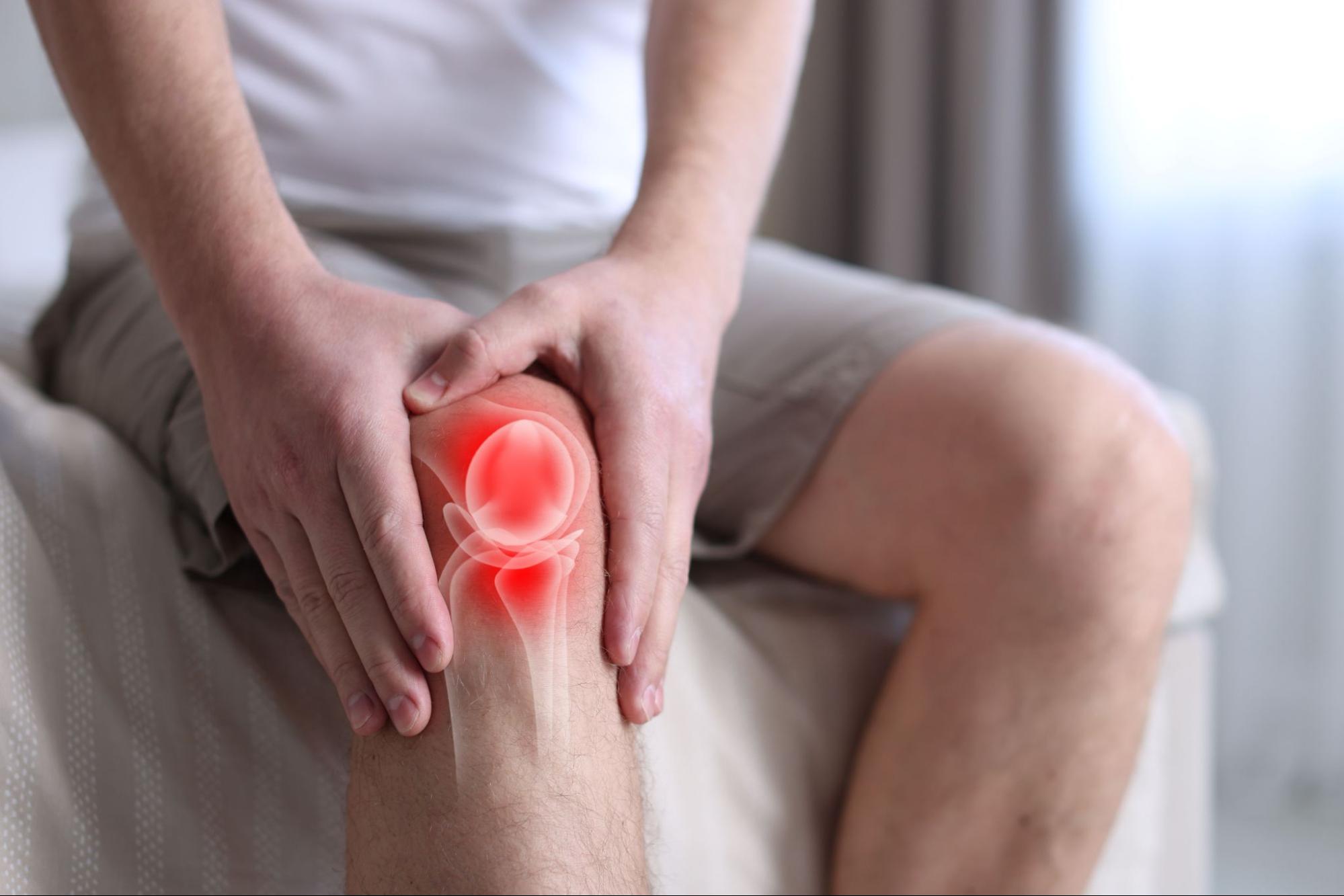
On the minor end, it could be simple muscle strain, tight quads or hamstrings pulling on the knee, IT band tightness, or general fatigue from overuse. This kind of pain often resolves with rest, stretching, and load management.
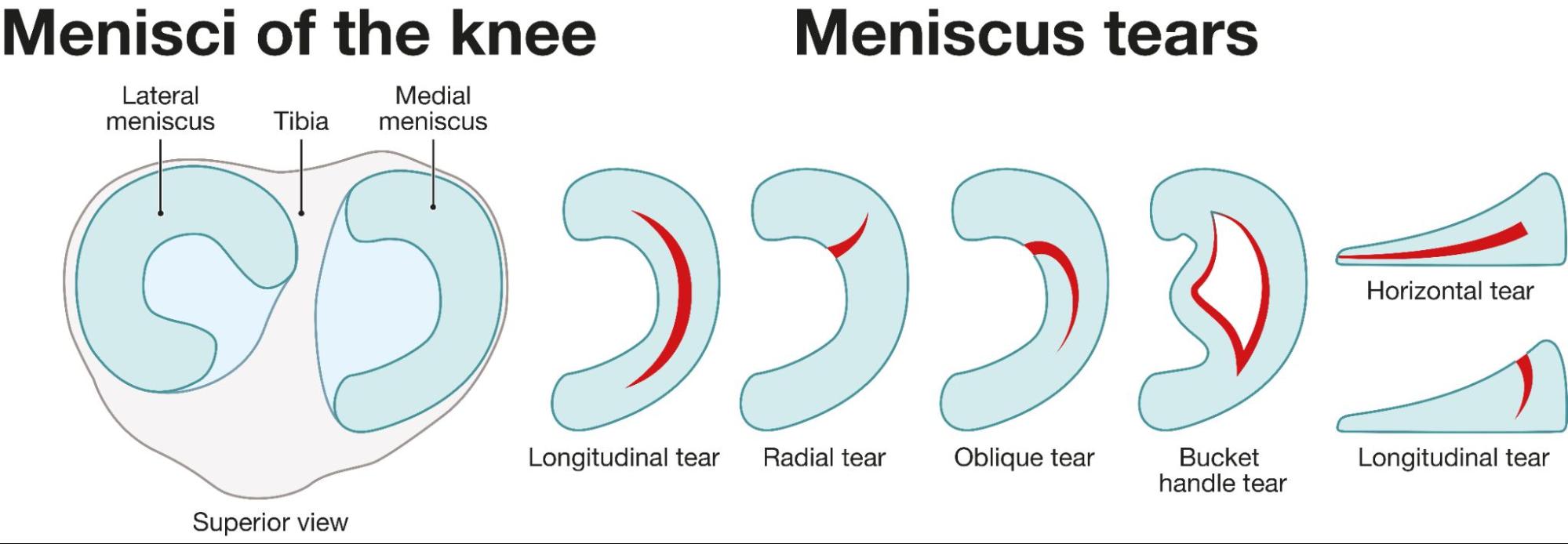
However, in the middle to more serious end, it could be more structural issues such as:
The key differentiating factors are usually: how it came on (sudden vs. gradual), where exactly the pain is, what makes it worse, and whether there’s swelling, locking, or giving way. A sudden onset with swelling and instability is a different conversation from a dull ache after long runs.
The symptoms of knee pain can vary depending on the underlying cause and severity of the condition. Some individuals may experience mild discomfort during movement, while others may develop persistent pain, swelling or instability that affects daily activities and mobility.
Some common symptoms of knee pain include:
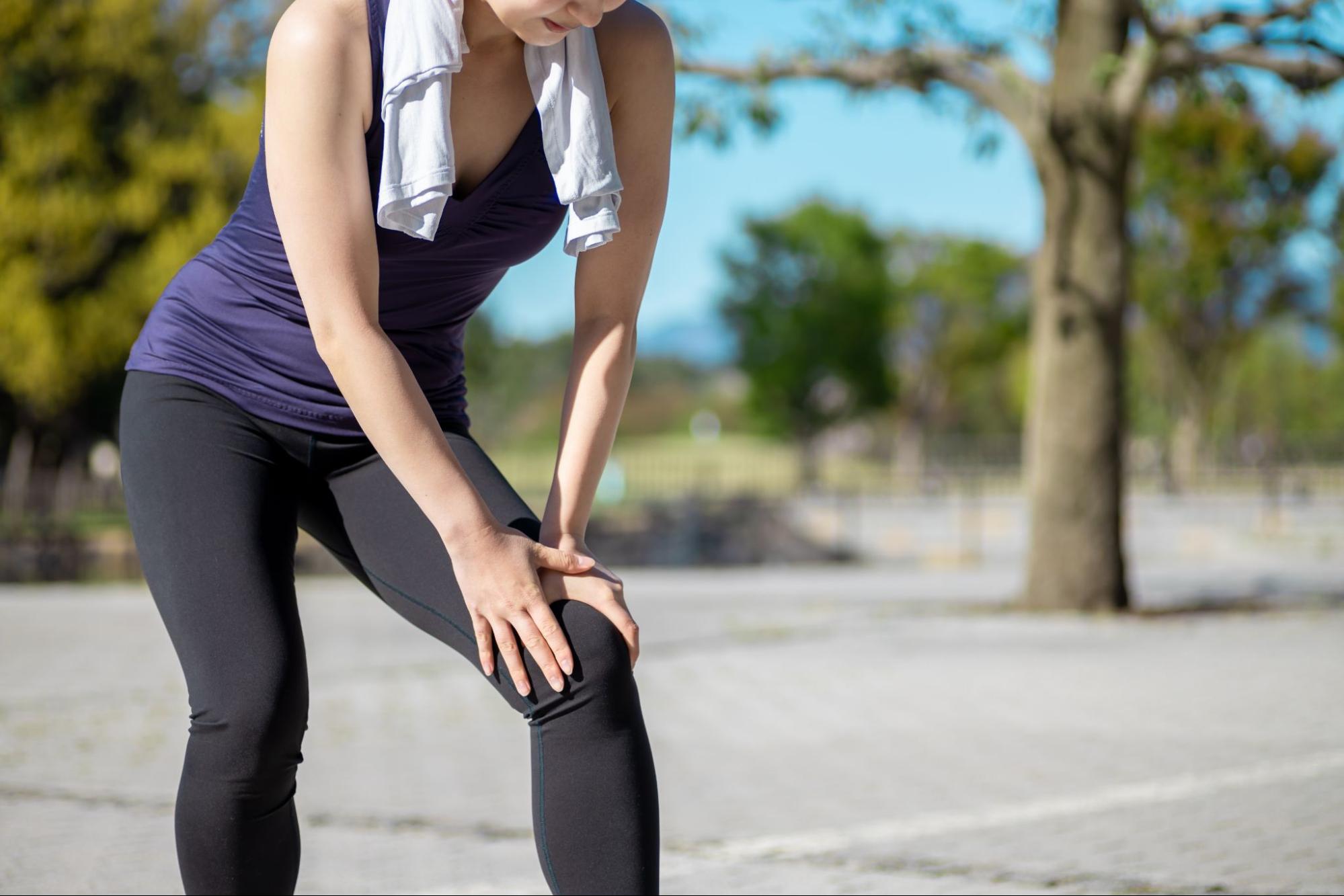
Mild knee pain caused by temporary strain or overuse may sometimes improve with rest and activity modification. However, knee pain should not be ignored when it becomes persistent, worsens over time or starts affecting walking, standing, climbing stairs or daily movement. Symptoms such as swelling, stiffness, locking sensations, instability or difficulty bearing weight may suggest a more significant underlying problem involving the cartilage, ligaments, tendons or joint structures.
Medical assessment is especially important if the pain develops after an injury, interferes with sleep or mobility or does not improve despite rest and conservative care. Early evaluation can help identify the underlying cause of knee pain and allow appropriate treatment to begin before the condition progresses further or leads to long-term joint dysfunction.
Without appropriate treatment and rehabilitation, knee pain can gradually affect mobility, stability, and overall joint function. Persistent pain may limit physical activity, alter movement patterns, and place additional stress on surrounding muscles and joints over time.
Some possible complications of untreated knee pain include:
Muscular knee pain often feels like soreness, tightness or aching around the thigh, calf or surrounding muscles, particularly after physical activity, exercise or prolonged movement. The discomfort may improve with rest, stretching or massage and is commonly associated with muscle strain, overuse or muscular imbalance. In some cases, tenderness may be felt in the muscles surrounding the knee rather than directly within the joint itself.
Joint-related knee pain, on the other hand, is more likely to involve symptoms such as swelling, stiffness, clicking, locking sensations or pain deep within the knee joint, especially during walking, climbing stairs, squatting or weight-bearing activities. Conditions affecting the cartilage, ligaments, meniscus or joint surfaces may also cause instability or reduced range of motion. Since different knee conditions can produce similar symptoms, a proper medical assessment is often needed to accurately identify the source of pain and determine the most appropriate treatment approach.
Knee pain can arise from multiple structures within and around the knee joint, including the cartilage, ligaments, tendons, muscles, bursae and surrounding soft tissues. Since different knee conditions may produce similar symptoms, identifying the exact source of pain is important before starting treatment.
To make an accurate diagnosis, our doctors often perform the following procedures:
Knee pain treatment depends on the underlying cause, severity of symptoms and how much the condition affects daily movement and quality of life. In many cases, non-surgical pain management approaches can help reduce inflammation, improve mobility, relieve discomfort and support long-term joint function without the need for surgery.
Treatment options for knee pain may include:
Knee pain can interfere with walking, climbing stairs, exercise, work duties and other everyday activities. Whether the pain develops gradually from overuse and joint degeneration or occurs suddenly following injury, persistent knee discomfort can affect mobility, stability and overall quality of life.
Treatment for knee pain focuses on relieving discomfort, improving movement and addressing the underlying source of irritation or inflammation. Depending on the condition, management may include targeted injections, PRP therapy, nerve blocks, shockwave therapy, rehabilitation support and other non-surgical pain management approaches designed to support recovery and improve knee function.
If you are experiencing persistent knee pain, swelling, weakness or stiffness, schedule a consultation for a detailed assessment and a personalised treatment plan designed around your condition and recovery goals.
Mild knee pain caused by temporary strain may improve with rest and activity modification. However, persistent or recurring symptoms should be assessed properly to prevent worsening joint problems.
Knee pain during stair climbing may result from conditions affecting the kneecap, cartilage, tendons or joint surfaces, particularly when additional pressure is placed on the knee during movement.
Yes. Many knee conditions can be managed using non-surgical approaches such as physiotherapy, medications, targeted injections, PRP therapy, nerve blocks and rehabilitation support.
Recovery depends on the underlying cause, severity of the condition and treatment approach used. Mild overuse injuries may improve within weeks, while chronic joint conditions may require longer-term management.
Certain high-impact or repetitive activities may aggravate knee pain, especially when underlying inflammation or joint damage is present. Appropriate rehabilitation exercises, however, may help strengthen the joint and improve function.
Arthritis involves degeneration or inflammation within the joint, while ligament injuries affect the strong connective tissues that stabilise the knee joint.
Yes. Excess body weight increases stress on the knee joint during walking, standing and movement, which may accelerate joint wear and worsen pain.
Most knee injections are generally well tolerated. Ultrasound guidance may also improve injection accuracy and patient comfort during the procedure.
Imaging may be recommended when symptoms persist, worsen, involve significant swelling or instability or when further evaluation of the knee structures is needed to guide treatment.
Dr Wilson Tay is skilled in ultrasound-guided pain interventions that provide safer, more precise relief without unnecessary radiation exposure. His expertise covers a wide range of conditions including spine pain, headaches, abdominal and pelvic pain, fibromyalgia and cancer pain.


MMed (Anaes) | FIPP (World Institute of Pain, USA) | FAMS (Anaes) | Grad Dip Acupuncture (Singapore)
Consultant Pain Specialist, Consultant Anaesthesiologist, Registered Acupuncturist MBBS
Dr Wilson Tay is skilled in ultrasound-guided pain interventions that provide safer, more precise relief without unnecessary radiation exposure. His expertise covers a wide range of conditions including spine pain, headaches, abdominal and pelvic pain, fibromyalgia and cancer pain.


