Extracorporeal Shockwave Therapy (ESWT) is a non-surgical, clinician-led procedure that addresses persistent pain in muscles, tendons, ligaments and surrounding soft tissues. Unlike treatments that simply mask pain, ESWT stimulates the body’s natural repair mechanisms, making it particularly effective for chronic conditions that have not responded fully to rest, physiotherapy or medication.
By improving blood flow, promoting cellular regeneration and modulating pain signals, ESWT helps restore mobility, reduce discomfort and enhance functional recovery.
ESWT is a non-invasive treatment that uses targeted acoustic waves to stimulate tissue healing and relieve chronic musculoskeletal pain.
How does Extracorporeal Shockwave Therapy (ESWT) work?
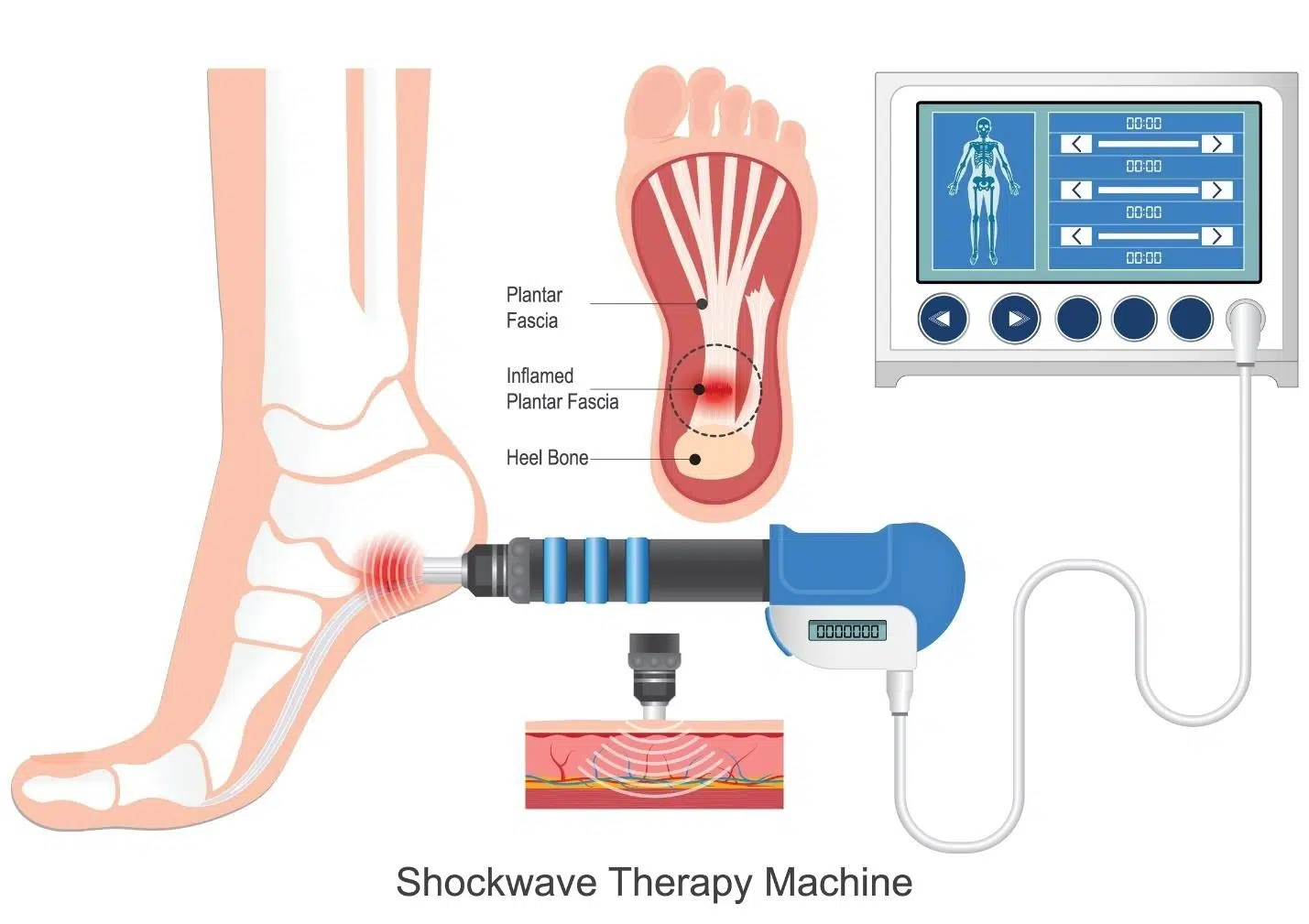
The treatment delivers controlled acoustic waves to the affected area without causing tissue damage. These waves penetrate deep into tendons, ligaments, fascia and joint attachments, triggering a biological healing response.
The key mechanisms include:
Improved circulation – delivers oxygen and nutrients to poorly healed tissues.
Cellular repair stimulation – encourages regeneration in chronically irritated or degenerative tissues.
Pain modulation – reduces nerve hypersensitivity and long-standing discomfort.
Breakdown of calcifications and fibrosis – improves tissue flexibility and movement.
However, pain relief and functional improvement develop gradually, often continuing for several weeks after treatment.
Targeted shockwaves reduce pain, stimulate healing and restore mobility without surgery or injections.
What are the benefits of Extracorporeal Shockwave Therapy (ESWT)?
For suitable patients, ESWT offers several advantages within a comprehensive pain management programme:
Non-invasive, no surgery required
No injections or long-term medication
Short outpatient sessions with minimal downtime
Can be combined with physiotherapy or rehabilitation programmes
Supports healing in chronic pain conditions unresponsive to conventional care
What conditions can Extracorporeal Shockwave Therapy (ESWT) manage?
The treatment is most effective for chronic pain conditions involving tendons, muscles, ligaments and surrounding soft tissues, particularly where healing has been delayed or incomplete.
Some of the common conditions treated with ESWT are:
Tendon-related pain (tendinopathy)
Tendons have a limited blood supply, making chronic tendon pain slow to heal. ESWT stimulates circulation and tissue regeneration.
Achilles tendinopathy – chronic pain, stiffness and thickening of the Achilles tendon
Plantar fasciitis – degeneration of the plantar fascia, causing persistent heel pain
Patellar tendinopathy (jumper’s knee) – pain at the tendon below the kneecap
Tennis elbow (lateral epicondylitis) – pain from degeneration of the outer elbow tendons
Golfer’s elbow (medial epicondylitis) – inner elbow tendon pain related to repetitive strain
Musculoskeletal pain and overuse injuries
ESWT is effective for persistent musculoskeletal pain caused by micro-injury, poor recovery or biomechanical stress.
Chronic shoulder pain related to tendon overload or degeneration
Overuse injuries from repetitive occupational or sporting activities
Persistent muscle pain where healing has plateaued despite rest and therapy
Calcific and degenerative soft tissue conditions
In some patients, calcium deposits or fibrotic tissue contribute to pain and restricted movement. ESWT may help disrupt these changes and improve tissue mobility.
Calcific tendinitis of the shoulder – calcium deposits within rotator cuff tendons
Chronic soft tissue thickening or scarring contributes to mechanical irritation.
Ligament and connective tissue pain
While ligaments heal slowly, ESWT can be useful in selected cases where pain persists due to incomplete tissue recovery.
Chronic ligament strain with ongoing pain and reduced stability
Soft tissue injuries that have failed to fully respond to physiotherapy or rest
What happens during Extracorporeal Shockwave Therapy (ESWT) treatment?
A thorough medical assessment ensures ESWT is safe, targeted and tailored to your condition, maximising effectiveness and long-term pain relief.
The treatment is delivered as a clinician-led pain management procedure, following a thorough assessment to ensure it is safe, appropriate and targeted to the source of your pain. Each session is carefully planned to maximise therapeutic benefit while minimising discomfort and treatment is adjusted according to your response.
It typically entails:
Initial assessment – our doctorwill review your medical history, current symptoms and any relevant imaging. The painful area is examined to identify precise treatment points and confirm suitability for ESWT.
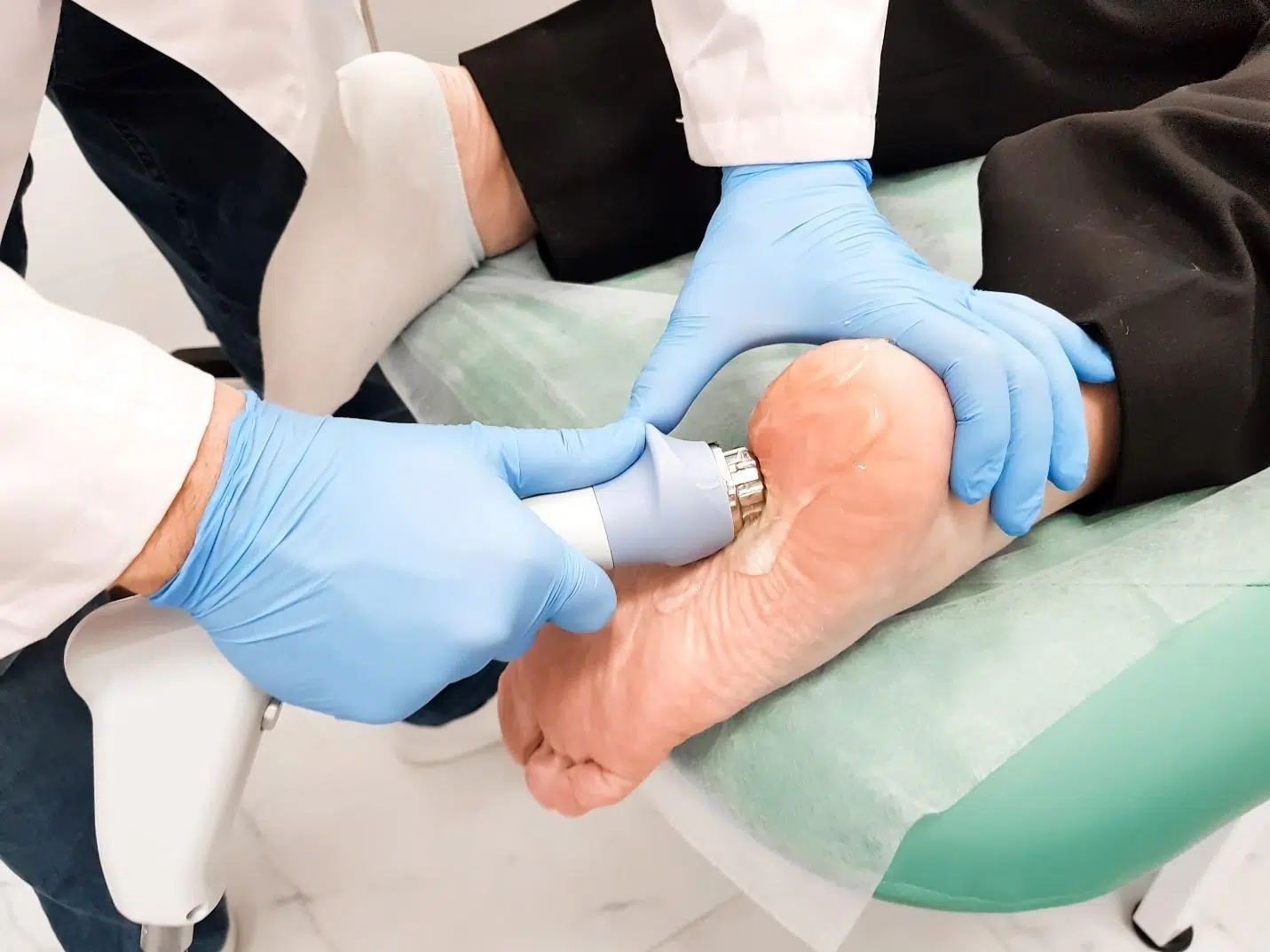
Treatment preparation – the treatment area is exposed and cleaned. A coupling gel is applied to allow effective transmission of shockwaves through the skin. You will be positioned comfortably to ensure accurate targeting and reduce muscle tension during treatment.
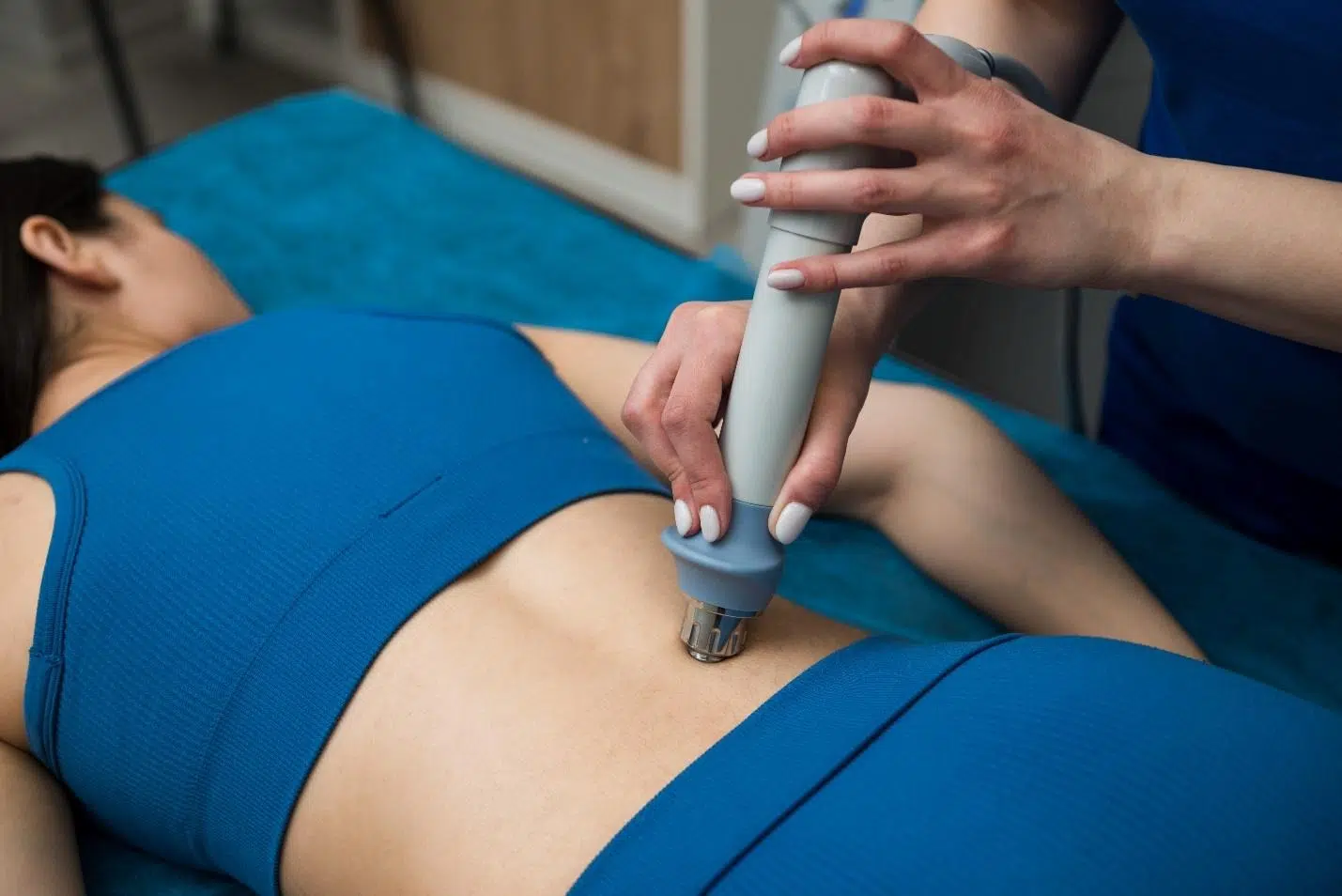
Delivery of shockwaves – a specialised ESWT device is used to deliver controlled acoustic waves to the affected tissue. The intensity is gradually adjusted based on your comfort level and clinical needs. Each session typically lasts 15 to 20 minutes, depending on the area treated.
Pain monitoring and adjustment – some discomfort may be felt during treatment, particularly over sensitive or inflamed areas. Our doctor will continuously monitor your response and adjust settings as needed to keep the treatment tolerable.
Post-treatment observation – after the session, you will be observed briefly to ensure there are no immediate reactions. You will then receive clear advice on activity modification and aftercare.
Aftercare and recovery following Extracorporeal Shockwave Therapy (ESWT) treatment
Proper aftercare plays an important role in maximising the benefits of ESWT. The treatment works by stimulating the body’s natural healing response and recovery continues gradually over the weeks that follow.
After treatment, our doctor may advise:
Avoid strenuous activity in the treated area for 24 to 48 hours
Mild soreness or redness may occur, usually resolving in 1 to 2 days
Ice packs or paracetamol can be used for discomfort; anti-inflammatories are generally avoided
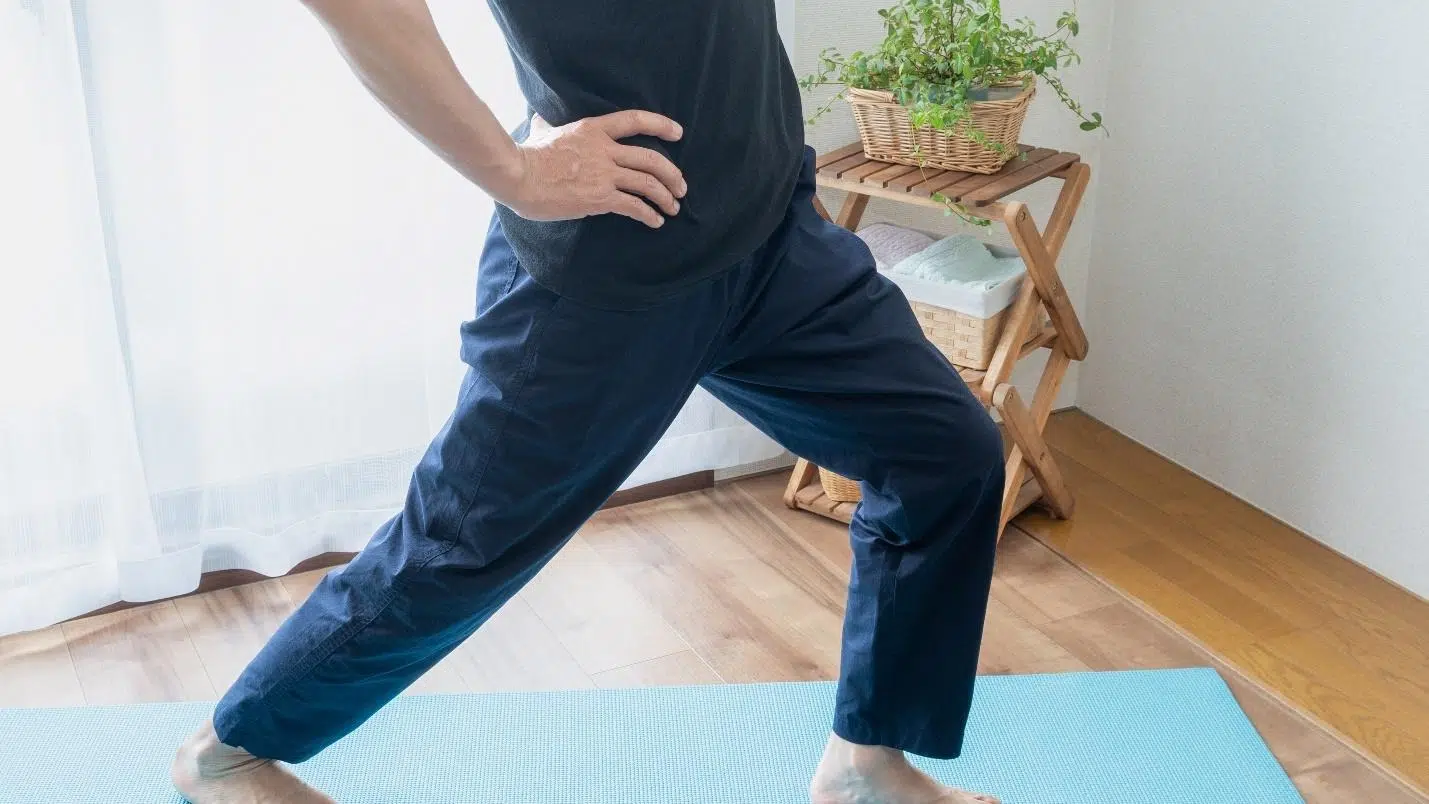
Gradual return to stretching, strengthening and physiotherapy exercises
Follow-up reviews monitor healing and guide further sessions if needed
How long do the effects of Extracorporeal Shockwave Therapy (ESWT) last?
The duration of symptom relief after ESWT varies depending on the type and severity of the condition, the patient’s overall health and adherence to rehabilitation and activity guidance.
Most patients notice initial improvement within 2 to 6 weeks as the treated tissues respond to increased blood flow, reduced inflammation and stimulation of natural repair processes. Continued healing can result in progressive improvement over several months, with pain reduction and better function becoming more pronounced over time.
For milder or early-stage musculoskeletal injuries, the benefits may be longer-lasting, especially when combined with physiotherapy, ergonomic adjustments and proper activity management. In more chronic or severe cases, additional ESWT sessions may be needed to maintain relief and support tissue recovery.
Following post-treatment guidelines after ESWT is essential to maximise healing, improve outcomes, and ensure long-term pain relief.
How many sessions are needed?
Most patients benefit from 3 to 6 sessions, spaced 1 to 2 weeks apart. The exact number depends on:
Severity and chronicity of pain
Tissue response to initial treatment
Age and healing capacity
Functional goals
Who should avoid Extracorporeal Shockwave Therapy (ESWT)?
ESWT is generally safe, but it may not be appropriate for everyone. Treatment may be avoided or modified in individuals who:
Are pregnant
Have active bleeding disorders
Active infections at the treatment site
Malignancy in the affected area
Implanted electronic devices near the treatment zone
As a clinician-led procedure in Singapore, ESWT is performed following medical assessment, as it helps to determine suitability and ensure treatment safety.
ESWT supports pain relief, mobility and tissue healing as part of a comprehensive pain management approach.
Summary
Extracorporeal Shockwave Therapy is a valuable, non-invasive option for managing chronic musculoskeletal pain when conventional treatments have not been sufficient. At our clinic, ESWT is not used in isolation, but as part of a structured pain management strategy focused on long-term function and quality of life.
A thorough medical assessment ensures treatment is appropriate, targeted and aligned with your recovery goals. If persistent pain affects your daily activities, contact us to speak with our doctor and explore whether ESWT may be suitable for you.
Yes. ESWT can stimulate healing in tissues that have not responded to conservative measures, making it a useful adjunct for persistent musculoskeletal or tendon-related pain.
Most patients experience minimal downtime. Mild soreness or bruising may occur, but daily activities can usually be resumed immediately, with gradual reintroduction of more intense exercises.
In some cases, ESWT can reduce pain and improve function enough to delay or avoid surgery. However, it is not a replacement for surgery in all conditions and is most effective when combined with rehabilitation.
While ESWT can provide long-term relief, outcomes depend on the severity of the condition, ongoing activity levels and adherence to physiotherapy. Some patients may require repeat treatments to maintain benefits.
ESWT is generally safe for adults of most ages. Suitability depends on the condition, tissue health and overall medical profile, which will be assessed during consultation.
Dr Wilson Tay is skilled in ultrasound-guided pain interventions that provide safer, more precise relief without unnecessary radiation exposure. His expertise covers a wide range of conditions including spine pain, headaches, abdominal and pelvic pain, fibromyalgia and cancer pain.
Dr Wilson Tay is skilled in ultrasound-guided pain interventions that provide safer, more precise relief without unnecessary radiation exposure. His expertise covers a wide range of conditions including spine pain, headaches, abdominal and pelvic pain, fibromyalgia and cancer pain.