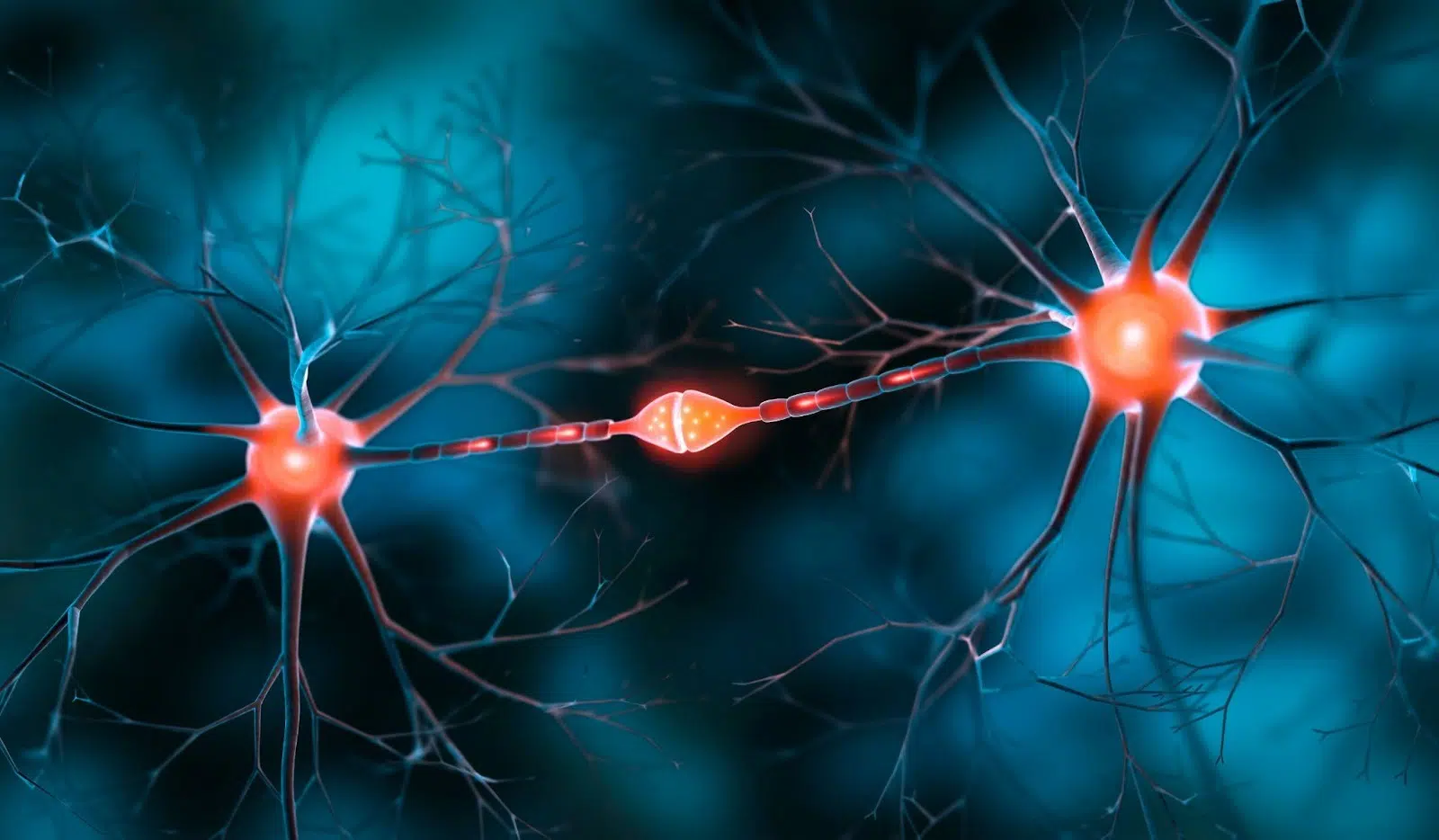
Neuromodulation therapy is a modern medical treatment that uses targeted electrical stimulation to regulate abnormal nerve activity responsible for chronic pain and certain neurological conditions. Rather than masking symptoms, it works by modifying how pain signals are transmitted between the nerves and the brain.
This therapy is typically considered when conventional treatments, such as medications, physiotherapy or injections, have provided limited or temporary relief.
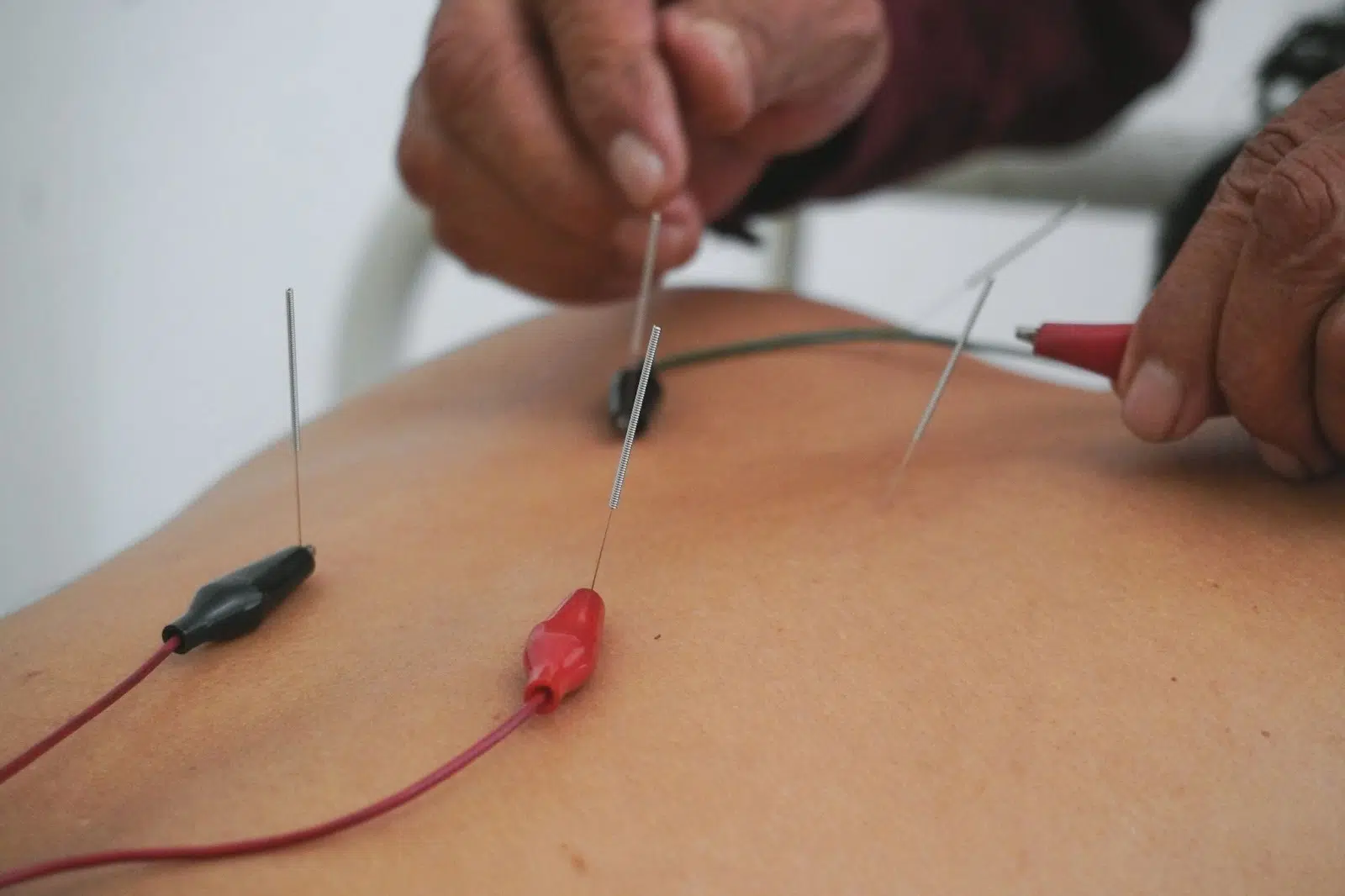
Neuromodulation can be delivered through different techniques depending on the condition being treated and the area of pain. This includes:
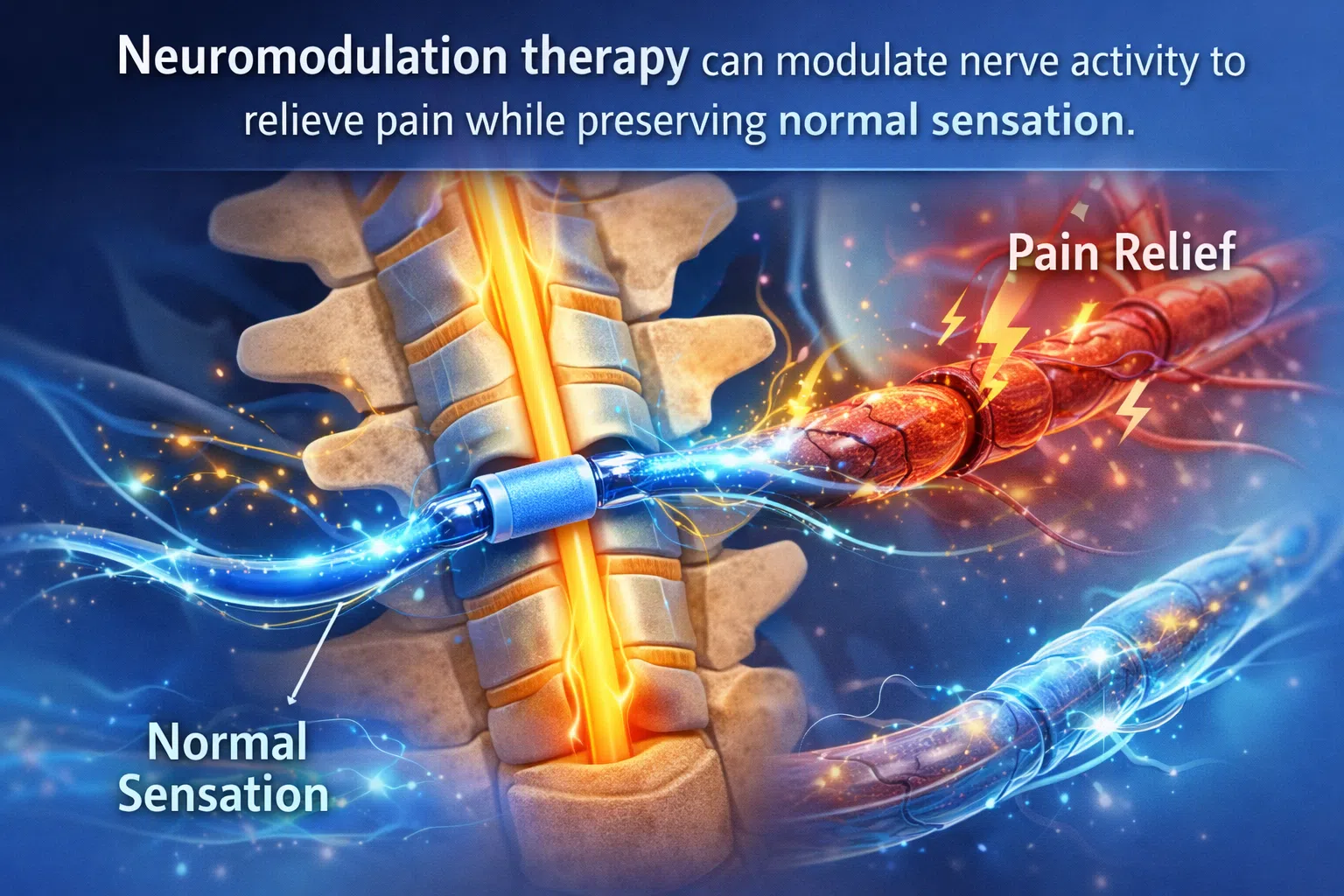
Pain occurs when abnormal electrical signals travel along nerves to the brain. Neuromodulation therapy alters these signals by delivering controlled electrical impulses that “re-tune” nerve activity.
By modulating rather than destroying nerve pathways, neuromodulation can influence how nerves communicate with the brain by:
The therapy offers several benefits, such as:
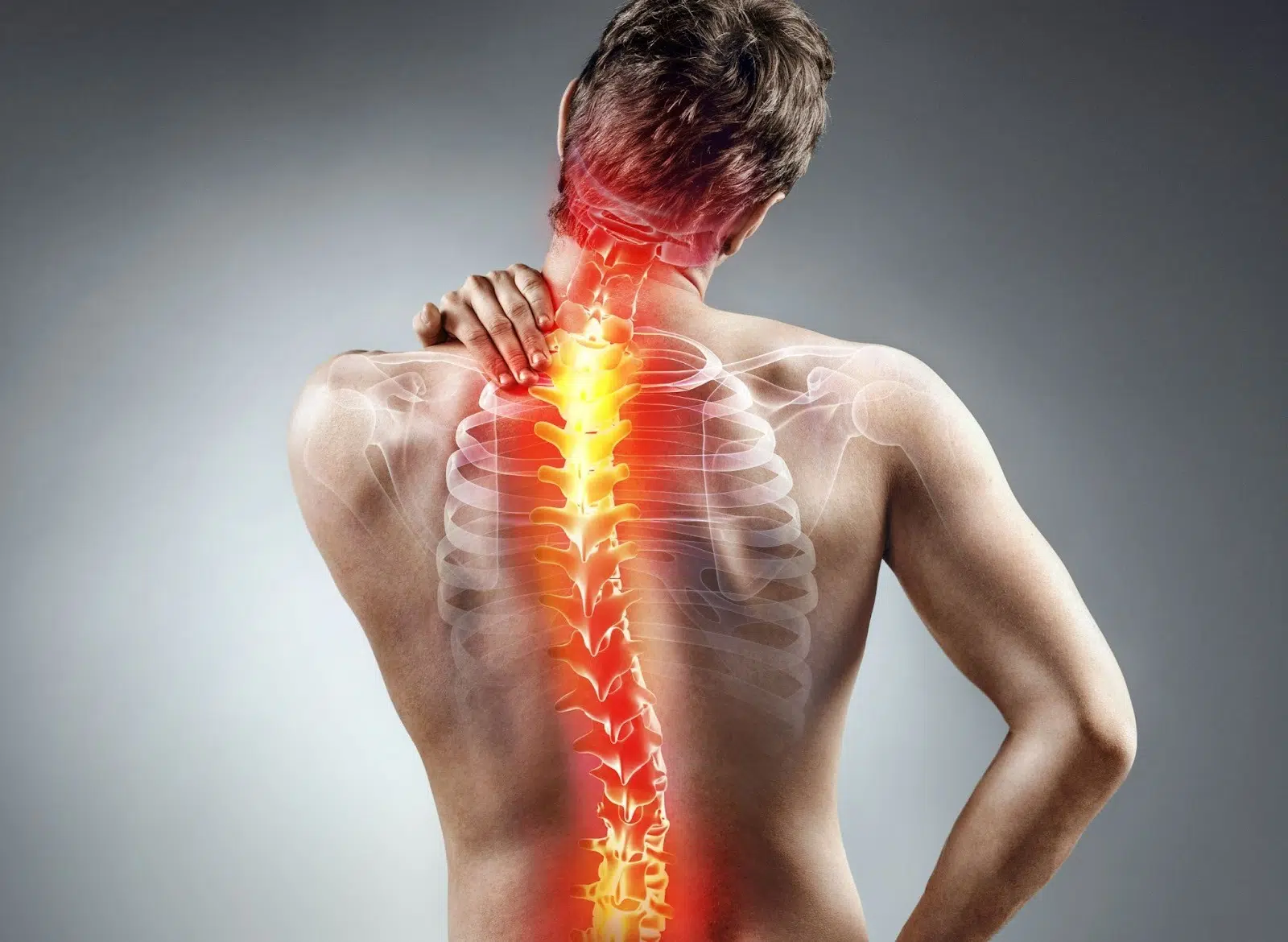
Neuromodulation may be recommended for a range of chronic pain and neurological conditions, particularly when conservative treatments have failed. The therapy may be beneficial for those with the following conditions:
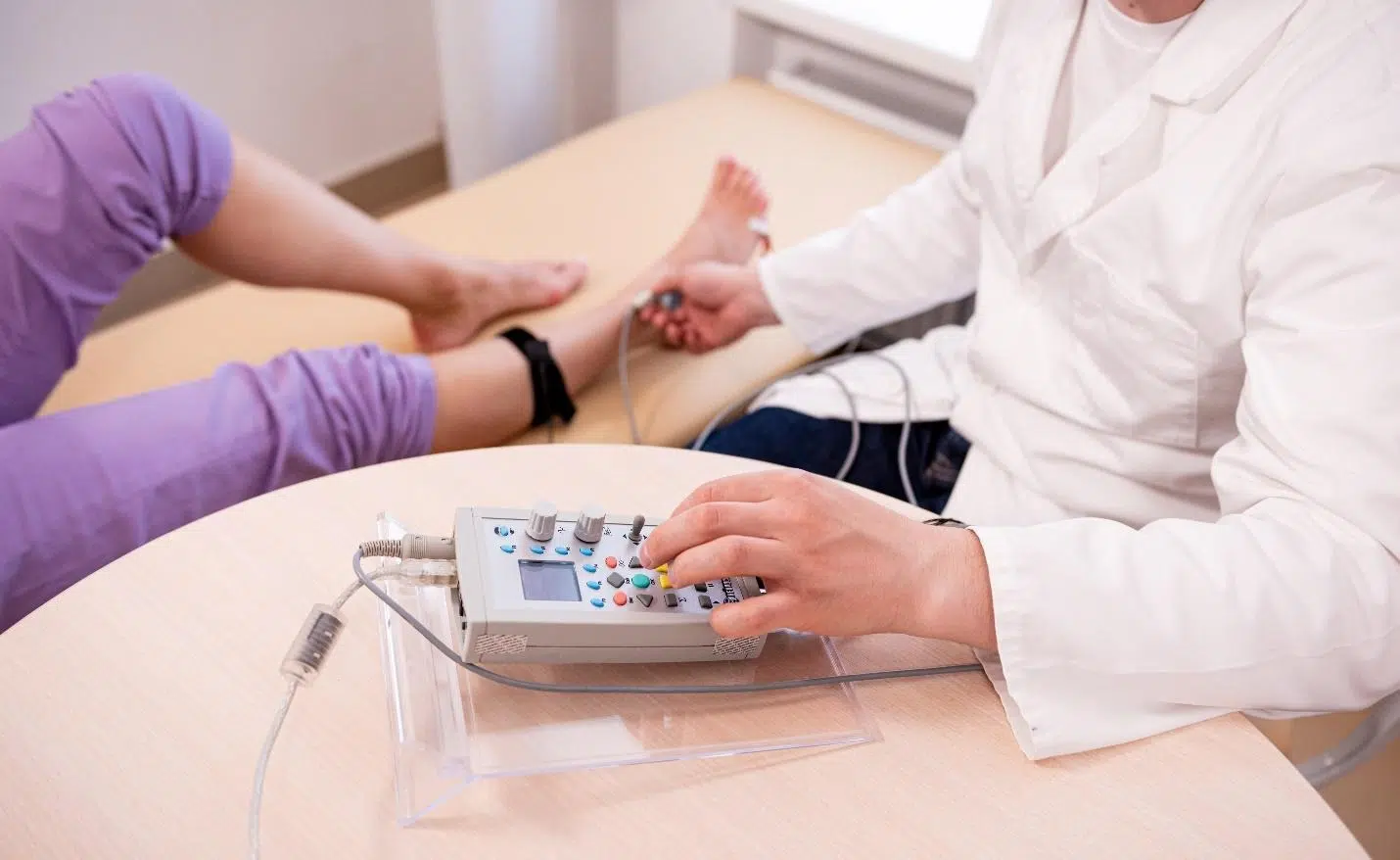
Neuromodulation therapy follows a step-by-step and carefully guided process. The therapy usually begins with a comprehensive evaluation to ensure it is appropriate, effective and tailored to your condition.
Our doctor will guide you through each step, which entails:
Patients need to follow post-treatment guidelines. This is to ensure that they achieve optimal results from the procedure. They are usually advised to:
Most patients experience gradual improvement rather than immediate relief, with outcomes optimised when neuromodulation is combined with rehabilitation and ongoing specialist follow-up. Additionally, patients have also reported experiencing improved mobility and a better quality of life.
While the results are positive, it is important to understand that neuromodulation therapy does not cure the underlying condition.
The therapy is designed as a stepwise, long-term pain management solution, rather than a treatment that requires frequent repeat sessions. The process focuses on carefully assessing your response to stimulation first, followed by permanent treatment only if meaningful pain relief is achieved.
Following implantation, ongoing follow-up appointments are used to fine-tune stimulation settings, adjust therapy as your condition evolves and optimise long-term outcomes. Unlike injections or medications, neuromodulation does not rely on repeated procedures, but on personalised programming to maintain effective pain control over time.
Neuromodulation therapy offers an effective, long-term solution for chronic and nerve-related pain when other treatments have failed. With careful assessment, personalised planning and proper aftercare, it can significantly improve comfort, function and overall quality of life.
If chronic pain is affecting your daily activities, an evaluation for neuromodulation therapy may help determine whether this advanced treatment is right for you. Schedule an appointment with us to book a personalised consultation with our doctors.
It may be considered when pain persists despite medications, physiotherapy, injections or other interventional treatments.
This depends on the technology used. Some patients feel mild tingling, while others experience pain relief without any noticeable sensation.
The system is adjustable and reversible. It can be modified or removed if required.
No. It is most effective for chronic or nerve-related pain and requires careful medical assessment.
Some modern systems are MRI-compatible under specific conditions, which will be discussed before treatment.
Battery life depends on the device type and usage. Rechargeable systems can last many years with proper maintenance.
Neuromodulation therapy is generally safe, but like any medical procedure, potential risks may include:
A thorough assessment helps minimise these risks.

Dr Wilson Tay is skilled in ultrasound-guided pain interventions that provide safer, more precise relief without unnecessary radiation exposure. His expertise covers a wide range of conditions including spine pain, headaches, abdominal and pelvic pain, fibromyalgia and cancer pain.
MMed (Anaes) | FIPP (World Institute of Pain, USA) | FAMS (Anaes) | Grad Dip Acupuncture (Singapore)
Consultant Pain Specialist, Consultant Anaesthesiologist, Registered Acupuncturist MBBS
Dr Wilson Tay is skilled in ultrasound-guided pain interventions that provide safer, more precise relief without unnecessary radiation exposure. His expertise covers a wide range of conditions including spine pain, headaches, abdominal and pelvic pain, fibromyalgia and cancer pain.