
Non-surgical pain management refers to a range of medical and interventional treatments designed to control pain without operative procedures. These treatments address pain arising from nerves, joints, muscles, tendons or the spine and are often used when pain persists despite rest, medications or physiotherapy.
Rather than masking symptoms alone, the treatment aims to:

The treatment plans are tailored based on diagnosis, pain severity and functional goals. Some of the options may include:
The treatment may be suitable for a wide range of acute and chronic pain conditions. This includes:

This pain management approach offers several advantages, including:
Before proceeding with a non-surgical pain management plan, our doctors will perform a comprehensive assessment. This entails reviewing your medical history and symptoms, as well as evaluating your imaging results to pinpoint the source of discomfort.
Depending on your condition and goals, your personalised plan may include:
This approach aims not only to relieve discomfort but also to restore mobility, enhance daily function and support sustainable long-term outcomes.
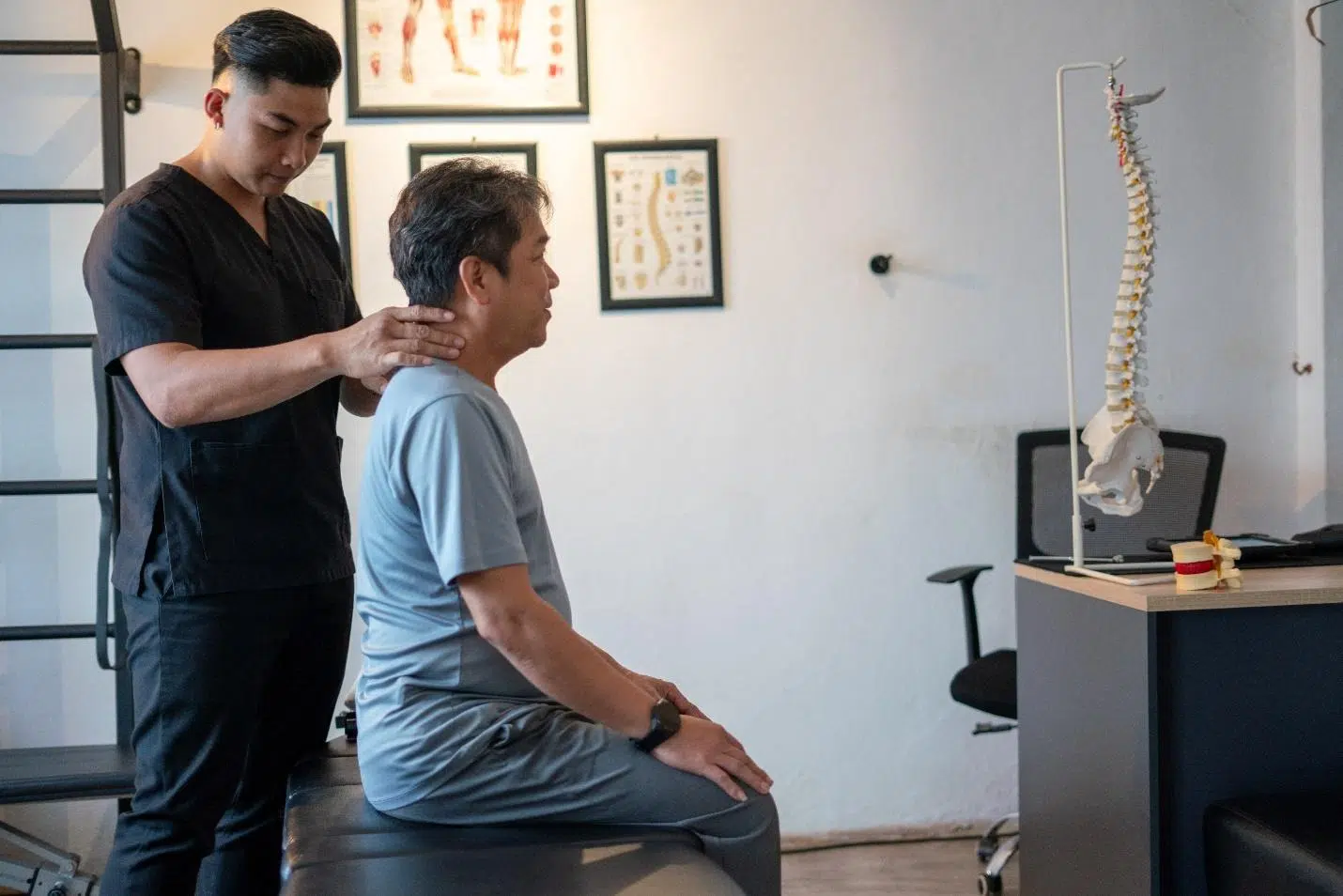
Proper aftercare is essential to maximise the benefits of non-surgical pain management and support long-term recovery. After interventions, patients may experience mild soreness, stiffness or bruising at the treated area, which is usually resolved within a few days.
Some of the key steps include:
You may benefit from non-surgical pain management if:
This less invasive treatment plan is highly effective for many patients, but may not be appropriate for everyone. Certain factors can limit the safety or effectiveness of these interventions, including:
Non-surgical pain management offers safe, targeted solutions to relieve pain, restore function and help you regain control of your daily life without surgery. With a personalised treatment plan, ongoing guidance and careful follow-up, many patients experience meaningful pain reduction, improved mobility and a better quality of life.
If persistent pain is affecting your activities or well-being, take the first step towards relief today. Book a consultation with our doctor to explore the most suitable non-surgical options for your condition and start your journey to lasting comfort and improved function.
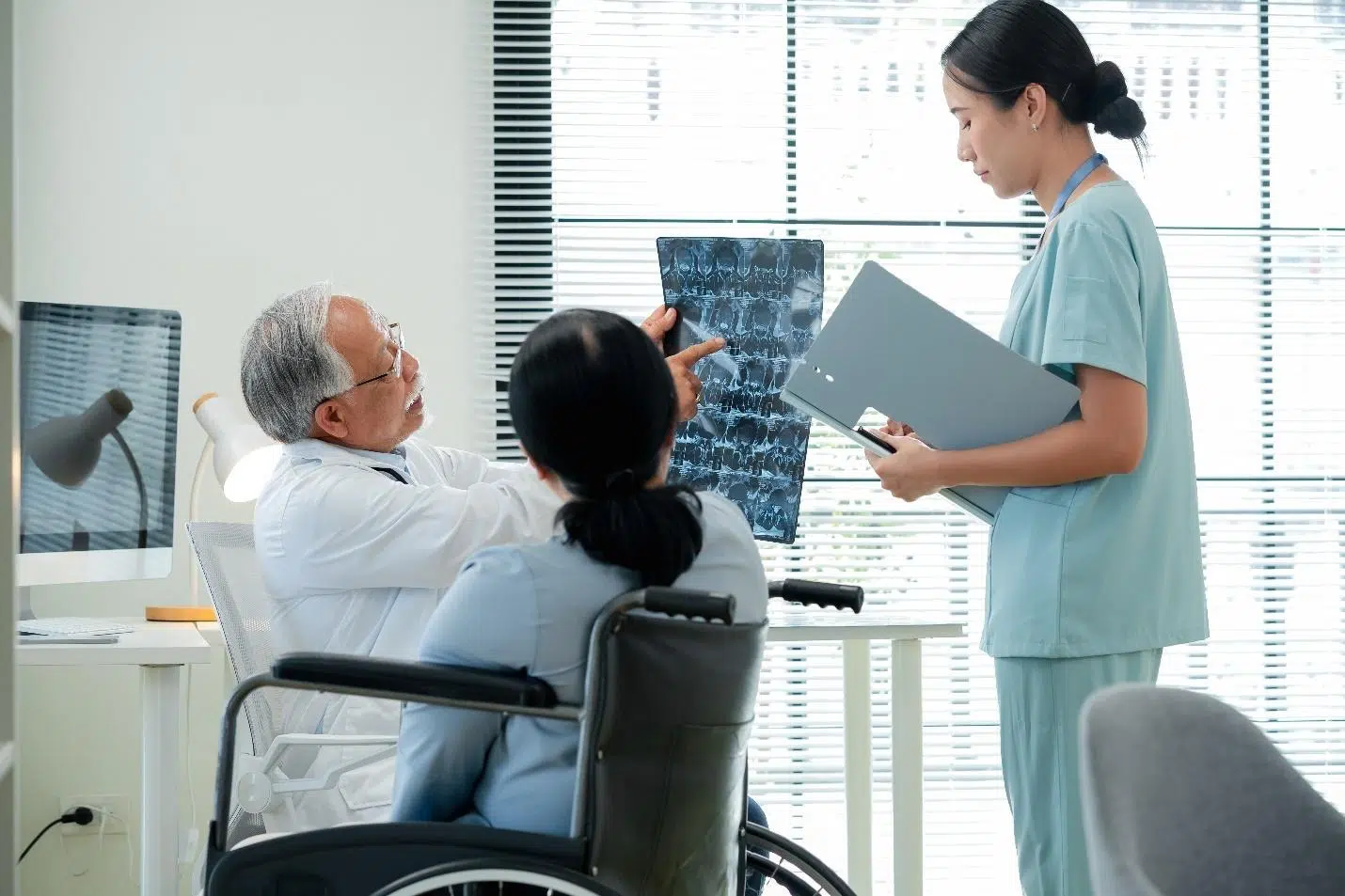
Yes, non-surgical pain management interventions are generally safe when performed by trained medical professionals.
Non-surgical pain management focuses on reducing pain, improving function and supporting long-term recovery rather than curing the underlying condition. By addressing the source of discomfort and enhancing tissue healing, these treatments help patients regain mobility, participate in daily activities and improve quality of life.
Yes. Certain interventions, such as nerve blocks, Extracorporeal Shockwave Therapy (ESWT) or neuromodulation adjustments, can be repeated if pain relief is significant but symptoms recur. Our doctor will monitor your progress and determine the appropriate timing and frequency for additional treatments to maintain optimal results.
Relief can vary depending on the type of intervention and the severity of your condition. Some treatments, like nerve blocks, may provide rapid relief within hours to days, while others, such as ESWT or neuromodulation, often work gradually over several weeks as tissues heal and nerve signals are modulated.
The number of sessions depends on the type and severity of your condition, your response to the initial treatment and your overall rehabilitation plan. For example, ESWT may require 3 to 6 sessions spaced 1 to 2 weeks apart, while nerve blocks or neuromodulation adjustments may be tailored individually. Our doctor will create a personalised plan to achieve the best outcomes.
In most cases, physiotherapy remains a vital part of recovery and long-term pain control. Combining non-surgical interventions with guided exercises, movement training and activity modifications helps strengthen muscles, restore function and prevent recurrence of pain.
Many patients find that non-surgical pain management reduces the need for invasive procedures. While it may not replace surgery in all cases, effective pain control and improved function can delay or even prevent the need for surgical intervention.
Side effects are usually mild and temporary, such as soreness, redness or slight swelling at the treatment site. Serious side effects are uncommon. Our doctor will provide instructions to minimise risk and monitor your response throughout treatment.
The duration of pain relief varies depending on your condition, the type of treatment and adherence to rehabilitation and activity guidelines. Some patients experience lasting relief for months, while others may benefit from periodic repeat treatments to maintain optimal comfort and function.
These treatments are generally safe for adults of most ages. Suitability depends on your specific condition, overall health and any pre-existing medical issues, which will be carefully assessed before starting therapy.
Dr Wilson Tay is skilled in ultrasound-guided pain interventions that provide safer, more precise relief without unnecessary radiation exposure. His expertise covers a wide range of conditions including spine pain, headaches, abdominal and pelvic pain, fibromyalgia and cancer pain.
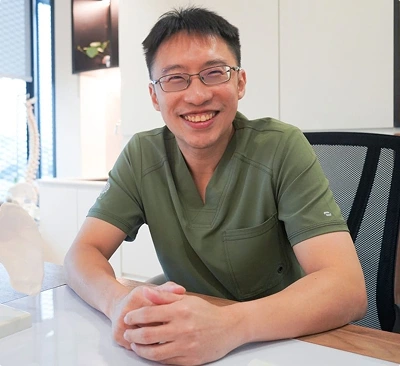
MMed (Anaes) | FIPP (World Institute of Pain, USA) | FAMS (Anaes) | Grad Dip Acupuncture (Singapore)
Consultant Pain Specialist, Consultant Anaesthesiologist, Registered Acupuncturist MBBS
Dr Wilson Tay is skilled in ultrasound-guided pain interventions that provide safer, more precise relief without unnecessary radiation exposure. His expertise covers a wide range of conditions including spine pain, headaches, abdominal and pelvic pain, fibromyalgia and cancer pain.


