
Bone metastasis occurs when cancer cells from another part of the body spread to the bones. Unlike primary bone cancer, this is a secondary cancer that has travelled from its original site. The bones are one of the most common places for cancer to spread, often leading to pain, fractures, and reduced mobility.
Common cancers that spread to the bones include:
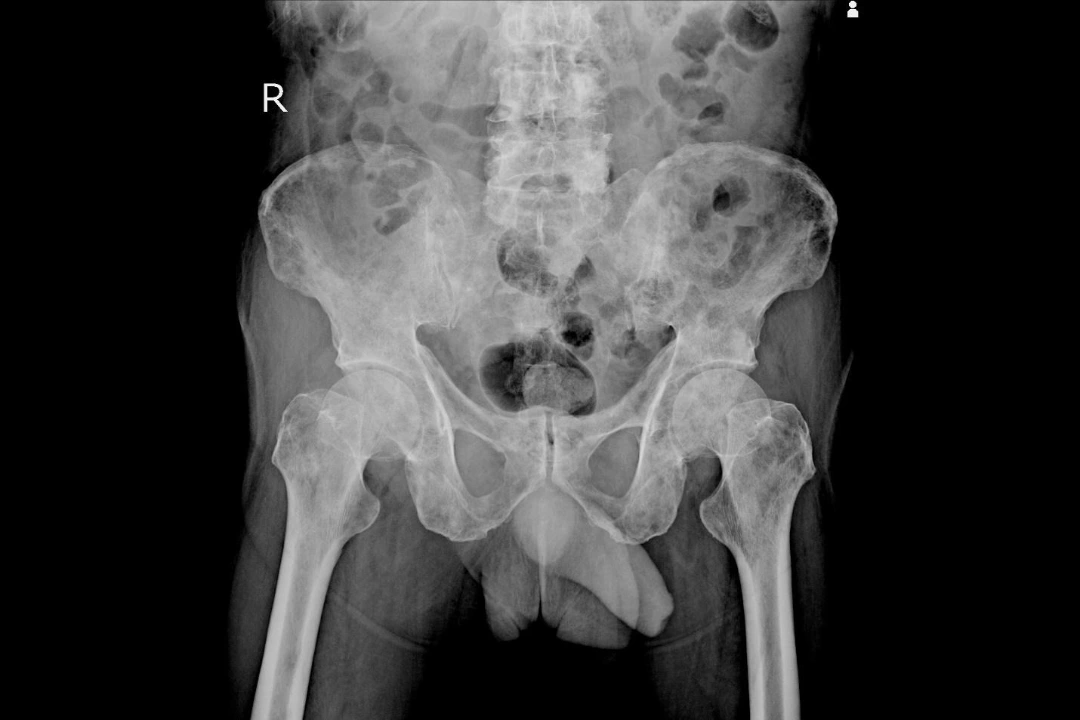
Bone metastatic cancer pain happens when cancer spreads to the bones and disrupts their normal structure. The pain may feel constant, dull, or aching, and at times sharp or severe. Unlike ordinary bone or joint pain, it often worsens at night or during movement, and it may increase as the disease progresses.
Not every patient with bone metastases experiences pain, but many do. The good news is that with timely and appropriate treatment, bone cancer-related pain can usually be managed effectively, helping patients maintain comfort, dignity, and quality of life.
Pain often arises because cancer cells disrupt the normal structure and function of the bone. This can happen in several ways, such as:
The condition may appear as:
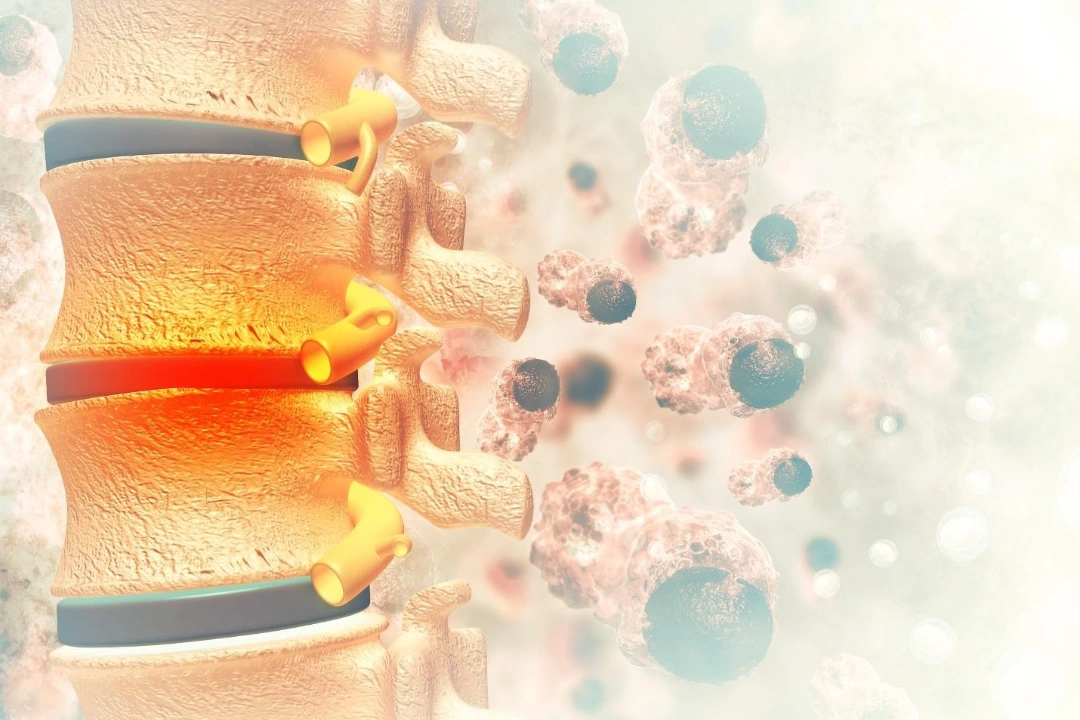
The survival rate depends on the type of primary cancer, the extent of its spread and the overall health of the patient. Some patients may live for months or even years with bone metastases, especially with modern cancer therapies. While bone metastasis usually indicates advanced disease, the goal of treatment is to control both the cancer and its symptoms. This helps patients live as fully and comfortably as possible.
Pain is a personal and subjective experience. That is why doctors use structured tools to better understand its intensity and impact on daily life. These include:
Aside from measuring pain severity, doctors will also perform a comprehensive evaluation of your overall condition. This may involve one or a combination of the following:
Through this structured approach, doctors can form a clearer picture of both the pain and its underlying cause. This ensures that treatment is tailored to each patient’s needs.
Treatment is not one-size-fits-all. At Apicare, pain management plans are tailored to each patient’s type of cancer, stage of disease and overall health. The goal is to relieve pain, protect bone health and support daily living.
These options may include:
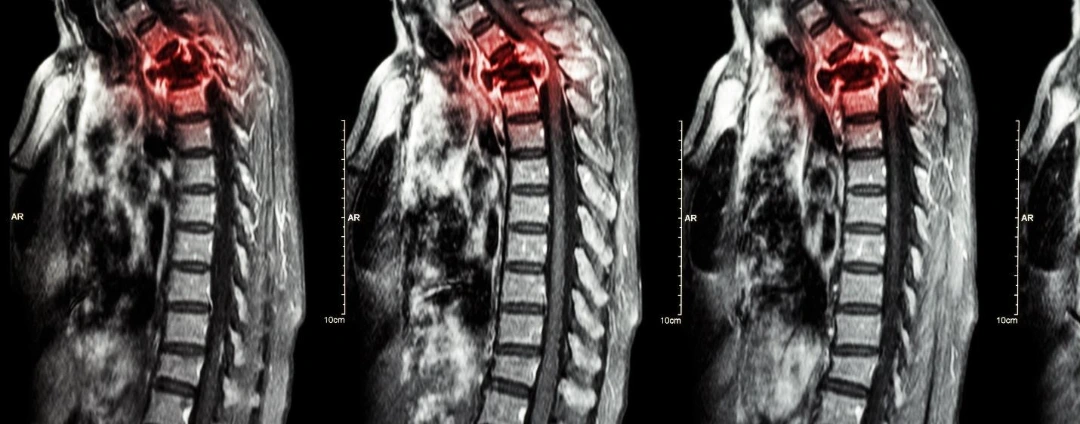
Bone metastases not only weaken the skeleton but also place a heavy burden on daily life. Pain that is left untreated can lead to immobility, sleep disruption, loss of independence and emotional distress.
Effective pain control makes a meaningful difference. By addressing pain early, patients can move more freely, rest better and tolerate cancer treatments with greater resilience. Most importantly, proper management allows individuals to preserve their dignity, comfort and quality of life, even in advanced stages of illness.
Bone metastatic cancer pain is complex, but it does not have to be endured in silence. With modern treatment approaches, from medications to minimally invasive procedures, pain can be reduced and the quality of life improved.
At Apicare Pain Clinic, we provide personalised, multidisciplinary care designed to relieve discomfort, protect mobility and support patients through every stage of their journey. If you or a loved one is living with bone metastatic cancer pain, reach out to us today to learn how our specialists can help restore comfort and peace of mind.
Bone metastasis is cancer that started elsewhere, such as the breast, lungs or prostate, and has spread to the bones. Meanwhile, primary bone cancer is a rarer type of cancer that begins in the bone itself.
Not always. Some patients have bone metastases detected on scans before pain develops. However, most will eventually experience some degree of discomfort if left untreated. However, early treatment can delay the onset of pain as well as reduce complications.
Bone metastases most often affect the:
Bone metastasis is usually not considered curable, as it means cancer has spread from its original site to the bones. However, it is very treatable and manageable. With the right combination of medications, targeted therapies and supportive care, many patients can experience significant pain relief, improved mobility and a better quality of life.
The speed varies depending on the primary cancer type. For example, lung cancer metastases often spread faster, while prostate cancer metastases may grow more slowly. That is why routine monitoring with scans and blood tests is important. They help doctors detect changes early and adjust treatments accordingly.
Every patient’s journey is different, but common experiences include bone pain, increased risk of fractures and reduced mobility. Some patients may also have fatigue, weakness or high calcium levels in the blood (hypercalcaemia), which can cause nausea or confusion. While bone metastasis often indicates advanced cancer, treatments focus on controlling pain, protecting bone strength and helping you stay active and comfortable.
Dr Wilson Tay is skilled in ultrasound-guided pain interventions that provide safer, more precise relief without unnecessary radiation exposure. His expertise covers a wide range of conditions including spine pain, headaches, abdominal and pelvic pain, fibromyalgia and cancer pain.


MMed (Anaes) | FIPP (World Institute of Pain, USA) | FAMS (Anaes) | Grad Dip Acupuncture (Singapore)
Consultant Pain Specialist, Consultant Anaesthesiologist, Registered Acupuncturist MBBS
Dr Wilson Tay is skilled in ultrasound-guided pain interventions that provide safer, more precise relief without unnecessary radiation exposure. His expertise covers a wide range of conditions including spine pain, headaches, abdominal and pelvic pain, fibromyalgia and cancer pain.


