
Carpal Tunnel Syndrome (CTS) is a condition caused by pressure on the median nerve as it passes through the carpal tunnel, a narrow passageway formed by bones, and ligaments in the wrist. This nerve controls sensation, and movement in the thumb, index, middle, and part of the ring fingers.
When the tunnel becomes narrowed or inflamed, the median nerve gets compressed, leading to symptoms such as pain, tingling, numbness, and weakness in the hand, and wrist. CTS can affect one or both hands, and tends to worsen over time if left untreated.

While often starting as a mild discomfort, CTS can significantly affect your ability to perform routine activities. Tasks like typing, driving, buttoning a shirt, or lifting objects may become difficult or painful. Night-time symptoms are widespread, and can disrupt sleep.
In more severe cases, muscle wasting or permanent nerve damage can occur. That is why early diagnosis, and timely treatment are important, not only to relieve symptoms but also to preserve hand strength, and function.
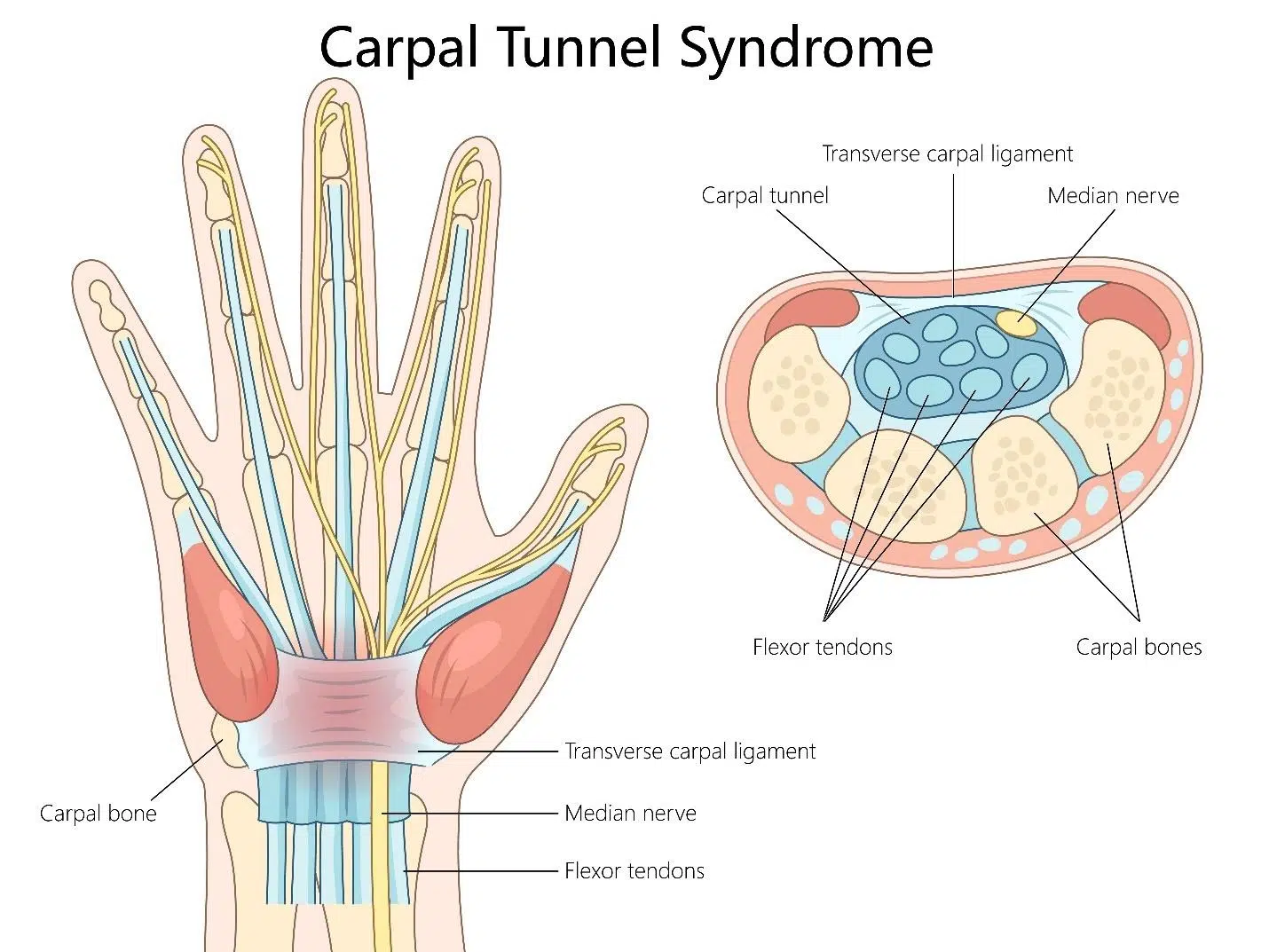
Carpal tunnel syndrome results from anything that causes swelling or narrowing within the carpal tunnel.
Some of the common causes include:
Symptoms usually begin gradually, and often come and go. Generally, the common signs include:
Carpal tunnel syndrome can affect anyone, but it tends to occur more frequently in individuals who engage in repetitive hand activities or have certain medical conditions. In Singapore, people in the following groups may be at higher risk of developing carpal tunnel syndrome:

Hand, and wrist pain can stem from a variety of causes, with carpal tunnel syndrome, arthritis, and tendinitis being among the most common. While these conditions may produce overlapping symptoms, they arise from different underlying issues, and require tailored treatment strategies.
By understanding the key differences, you will be able to recognise the source of your symptoms, and seek appropriate care sooner.
CONDITION | PRIMARY CAUSE | SYMPTOMS | AFFECTED AREA |
Carpal Tunnel Syndrome | Nerve compression | Tingling, numbness, weakness | Thumb to ring finger |
Arthritis | Joint inflammation | Joint pain, swelling, stiffness | Any finger joint or wrist |
Tendinitis | Inflamed tendon | Pain with movement, swelling | Wrist or forearm tendons |
Diagnosing carpal tunnel syndrome involves more than identifying wrist discomfort. Because its symptoms may overlap with other nerve, joint, or tendon issues, a comprehensive, and accurate assessment is essential to confirm the diagnosis, and guide the right treatment.
Doctors will usually begin by exploring how your symptoms affect your daily life, by asking the following questions:
Additionally, the diagnostic approach may also include:
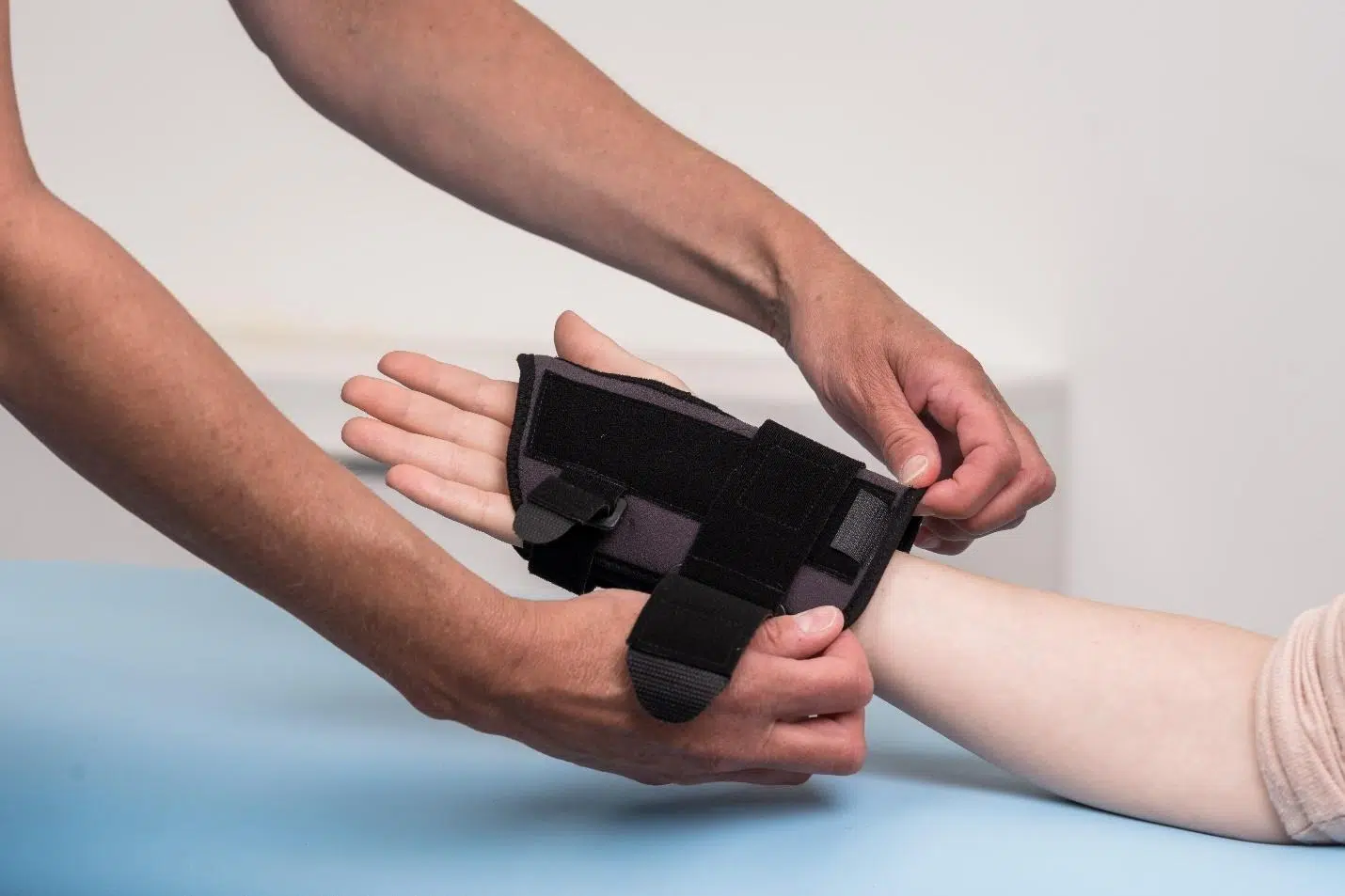
Treatment for carpal tunnel syndrome focuses on relieving pressure on the median nerve, reducing inflammation, and restoring normal hand function. At Apicare Pain Clinic, our goal is to manage your condition using minimally invasive, evidence-based approaches suited to your lifestyle, and symptom severity.
While medications do not cure CTS, they help reduce inflammation, and discomfort, particularly during flare-ups:
These targeted, image-guided treatments are aimed at reducing nerve pressure without the need for surgery:
Surgery is considered when symptoms persist despite conservative treatments or if there are signs of nerve damage, such as persistent numbness or muscle wasting.
Rehabilitation plays a vital role in restoring function, and preventing recurrence:
Simple, proactive changes can support recovery, and reduce the risk of recurrence:
Contrary to popular belief, neck and back pain does not always translate to needing surgery. In fact, we believe in working closely with each patient to develop a treatment strategy that aligns with their goals, lifestyle, and health needs. Whether you are dealing with acute discomfort or long-standing spinal pain, our aim is to help you return to a more active, comfortable, and pain-free life.
If you are suffering from persistent neck or back pain, schedule a consultation with us for a detailed diagnosis and personalised, medically-guided treatment plan that helps you move and live more comfortably.

While not always preventable, you can reduce your risk by:
Mild cases may improve with rest, splinting, or lifestyle changes. However, without treatment, symptoms can worsen over time. Do keep in mind that early intervention improves outcomes.
Recovery depends on severity, and treatment type. Non-surgical treatments may take a few weeks to show improvement. Post-surgery recovery often takes 4 to 6 weeks.
Not necessarily. Many people recover with non-invasive treatments. Surgery is considered when there is persistent pain, weakness, or signs of nerve damage.
Untreated CTS can lead to permanent nerve damage, loss of hand strength, and muscle wasting. That’s why it’s best to seek medical advice early.
Yes, especially with proper treatment, and ergonomic adjustments. We can help you find ways to reduce strain at work, and support your recovery.
It can be associated with underlying conditions like diabetes or thyroid disease. A thorough evaluation can identify if other medical issues are contributing.
Dr Wilson Tay is skilled in ultrasound-guided pain interventions that provide safer, more precise relief without unnecessary radiation exposure. His expertise covers a wide range of conditions including spine pain, headaches, abdominal and pelvic pain, fibromyalgia and cancer pain.


MMed (Anaes) | FIPP (World Institute of Pain, USA) | FAMS (Anaes) | Grad Dip Acupuncture (Singapore)
Consultant Pain Specialist, Consultant Anaesthesiologist, Registered Acupuncturist MBBS
Dr Wilson Tay is skilled in ultrasound-guided pain interventions that provide safer, more precise relief without unnecessary radiation exposure. His expertise covers a wide range of conditions including spine pain, headaches, abdominal and pelvic pain, fibromyalgia and cancer pain.


