
Diabetic neuropathy is a form of nerve damage caused by persistently high blood glucose levels in individuals with diabetes. Over time, elevated blood sugar injures the delicate nerve fibres throughout the body, particularly in the legs and feet. This complication affects approximately 50% of people with diabetes, though not all cases are symptomatic. Diabetic neuropathy can cause pain, numbness, muscle weakness, and autonomic dysfunction, depending on the nerves involved.

There are four main types of diabetic neuropathy, each with distinct features:
Diabetic neuropathy develops due to sustained damage to the peripheral and autonomic nervous systems caused by long-term high blood glucose levels. The primary driver of this nerve injury is chronic hyperglycaemia, which initiates a cascade of harmful biochemical and structural changes within the nerves and their surrounding microvasculature.
At the cellular level, several interrelated mechanisms explain the development of diabetic neuropathy:
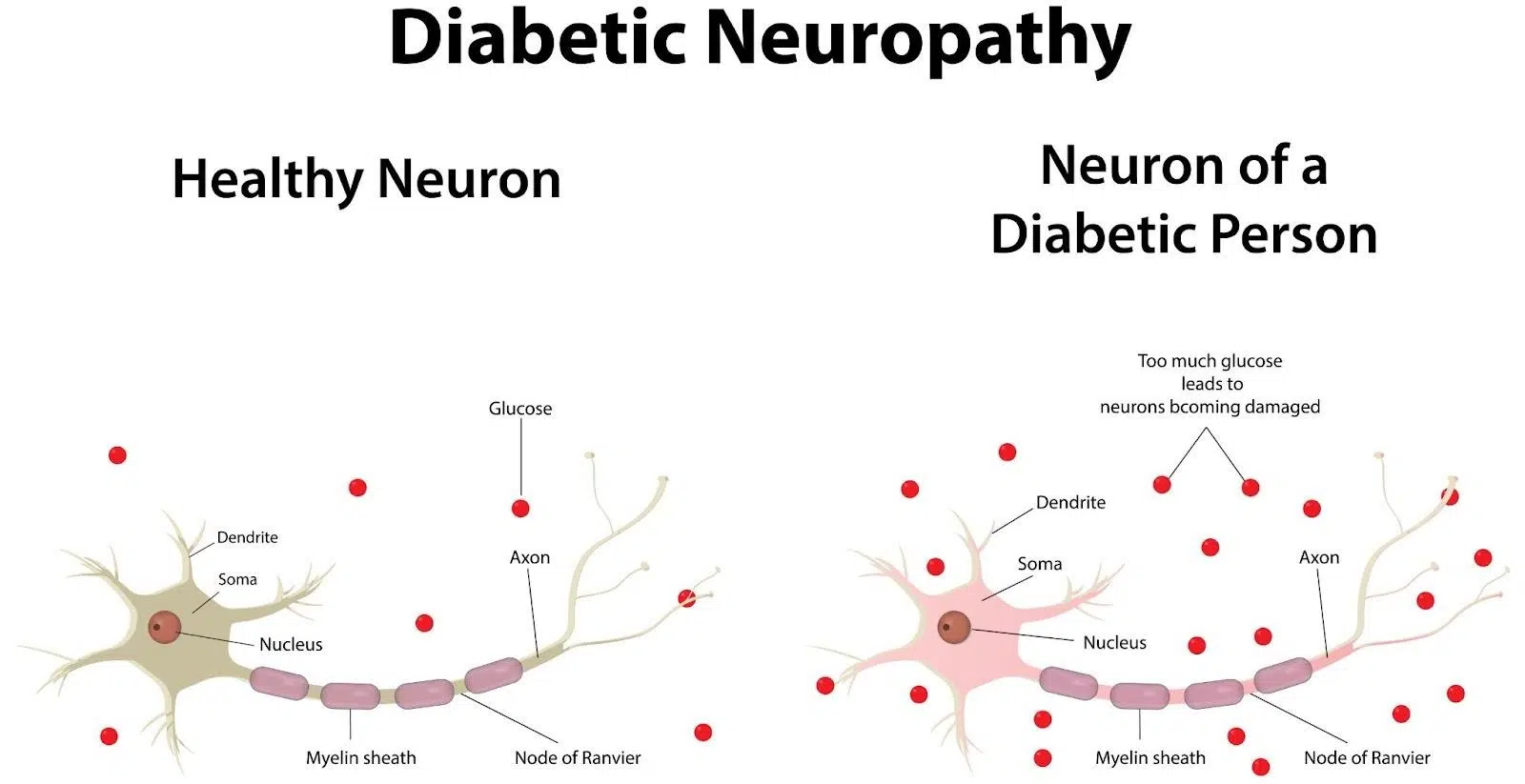
The symptoms of diabetic neuropathy depend on which nerves are affected and how advanced the nerve damage is. Some individuals may have mild or no symptoms in the early stages, while others may experience disabling pain or significant functional impairment. The presentation typically correlates with the type of neuropathy involved — sensory, motor, or autonomic.
Here’s how the symptoms unfold across the main types of diabetic neuropathy:
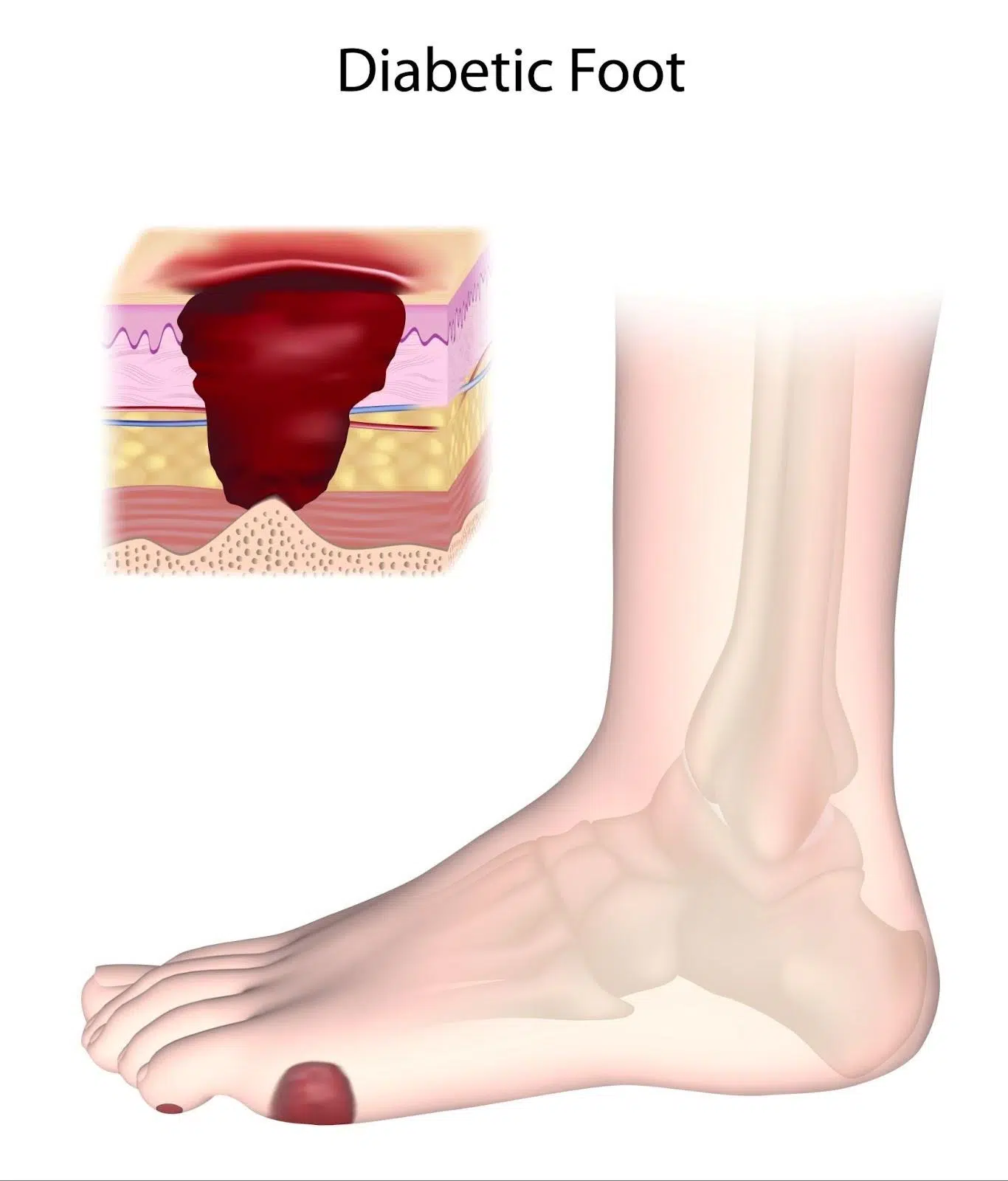
Symptoms may worsen at night and can interfere with sleep and daily activities. Because diabetic neuropathy often develops gradually, early signs can go unnoticed or be misattributed to other conditions. Timely recognition is crucial to prevent further nerve damage and manage complications, especially in patients undergoing anaesthesia or surgical procedures.
In Singapore, diabetic neuropathy affects a growing number of individuals due to the increasing prevalence of type 2 diabetes, particularly among older adults and those with lifestyle-related risk factors. While anyone with diabetes can develop neuropathy, certain groups are more susceptible to nerve damage based on the duration and severity of their condition, as well as accompanying health issues.
Key at-risk populations include:
Diagnosing diabetic neuropathy involves a combination of medical history, physical examination, and specialised tests to assess nerve function and rule out other potential causes of neuropathy. Since symptoms often develop gradually and may be subtle in the early stages, early diagnosis depends heavily on a patient’s report of sensory changes.
Key components of the diagnostic process include:
There is no single definitive test for diabetic neuropathy. Instead, diagnosis relies on recognising characteristic patterns in the clinical context of diabetes. Early identification is vital not only for managing symptoms but also for preventing progression and reducing the risk of foot ulcers, infections, or autonomic complications that could impact surgical outcomes.
There is currently no cure for diabetic neuropathy, but timely treatment can ease symptoms, prevent complications, and help patients maintain their quality of life. Management typically involves a combination of blood sugar control, medications for nerve pain, preventive foot care, and support for daily functioning. For some, more targeted procedures or therapies may be needed, especially if the pain becomes disabling or if autonomic symptoms develop.
Keeping glucose levels within the target range is the first and most important step. It helps reduce ongoing nerve damage and may even improve early symptoms. We guide our patients regarding maintaining their blood sugar through a combination of dietary adjustments, oral medications, insulin therapy, and regular monitoring of HbA1c levels.
Neuropathic pain may feel like burning, stabbing, or electric shock sensations. While it cannot always be eliminated, several medications can reduce its intensity:
When sensation is lost, small injuries can go unnoticed and turn into deep infections. To prevent this, patients should:
A supervised exercise programme can help improve balance, reduce pain, and prevent muscle wasting. Physical therapists may also provide gait training and fall prevention strategies, especially for patients with lower limb weakness or proprioceptive loss.
For patients who do not respond to oral medications, we offer procedures such as nerve blocks, pulsed radiofrequency, and other pain management techniques. These are especially helpful in restoring comfort and function when conventional therapies are not enough.
When the nerves controlling internal systems are affected, treatment may involve:
With the right combination of therapies, many people with diabetic neuropathy can manage their symptoms and avoid further nerve deterioration.
Diabetic neuropathy is a common and potentially serious complication of diabetes that affects the nerves controlling sensation, movement, and organ function. It can present in various forms, ranging from tingling and pain in the feet to issues with digestion, blood pressure, and muscle strength, depending on which nerves are involved. This condition develops over time due to prolonged exposure to high blood sugar, which damages nerve fibres through a mix of metabolic, vascular, and inflammatory mechanisms. While it cannot be cured, early diagnosis and proactive management can significantly reduce its impact. Treatment typically includes blood sugar control, pain relief, foot care, physiotherapy, and, in more complex cases, interventional procedures.
At Apicare, we provide comprehensive care tailored to each individual’s symptoms and needs, including advanced pain management and perioperative support for those undergoing surgery.
If you are living with diabetes and have noticed changes in sensation, balance, or bodily functions, schedule a consultation with us for a detailed diagnosis and personalised treatment plan.
Common signs include numbness, tingling, burning sensations, or pain in the hands and feet. If you experience these symptoms, consult a healthcare provider for evaluation.
While nerve damage is often permanent, managing blood sugar levels can prevent further damage and alleviate symptoms. Early intervention is crucial.
Yes, it can impact various body systems, including the digestive tract, heart, and sexual organs, leading to issues like indigestion, dizziness, or sexual dysfunction.
Maintaining optimal blood sugar levels, regular exercise, a healthy diet, and routine medical check-ups can reduce the risk of developing neuropathy.
It can stabilise or improve slightly with good control, but in some cases, symptoms may progress due to prior nerve damage or other contributing conditions.
Wear soft, closed-toe shoes with ample toe space and cushioned soles. Avoid high heels, tight straps, or walking barefoot to prevent foot injuries.
You should have a professional foot check at least once a year, or more frequently if you have had ulcers, infections, or significant loss of sensation.
It affects both genders, but some studies suggest women may report more pain-related symptoms and functional limitations. Hormonal differences and health-seeking patterns may play a role.
Dr Wilson Tay is skilled in ultrasound-guided pain interventions that provide safer, more precise relief without unnecessary radiation exposure. His expertise covers a wide range of conditions including spine pain, headaches, abdominal and pelvic pain, fibromyalgia and cancer pain.


MMed (Anaes) | FIPP (World Institute of Pain, USA) | FAMS (Anaes) | Grad Dip Acupuncture (Singapore)
Consultant Pain Specialist, Consultant Anaesthesiologist, Registered Acupuncturist MBBS
Dr Wilson Tay is skilled in ultrasound-guided pain interventions that provide safer, more precise relief without unnecessary radiation exposure. His expertise covers a wide range of conditions including spine pain, headaches, abdominal and pelvic pain, fibromyalgia and cancer pain.


