
Sciatica refers to pain caused by irritation or compression of the sciatic nerve, which is the largest nerve in the body. It runs from the lower back through the hips, buttocks and down each leg. When the nerve becomes inflamed or pinched, pain can radiate along this pathway, often affecting only one side.
Symptoms may appear suddenly after lifting, twisting, or prolonged sitting, or develop gradually due to long-term wear and tear on the spine. The condition can be acute, lasting days to weeks or chronic, persisting for several months and affecting daily activities, mobility and sleep.
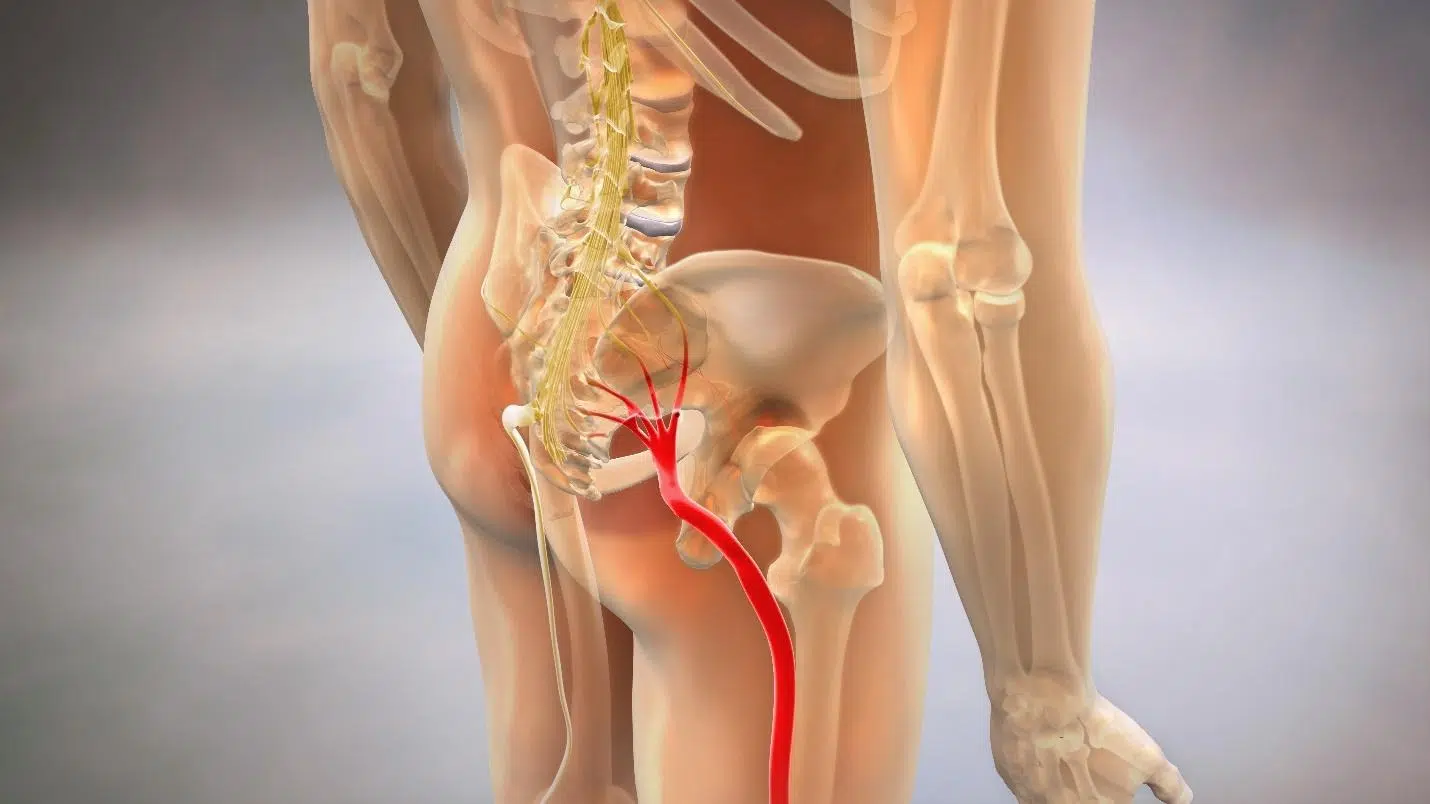
Sciatic nerve irritation affects more than just the back or leg. It can disrupt normal routines and limit movement in several ways. This includes:
The condition arises when the sciatic nerve is compressed, inflamed or irritated. Some of the common mechanisms are:
The symptoms present differently from general low back pain, such as:
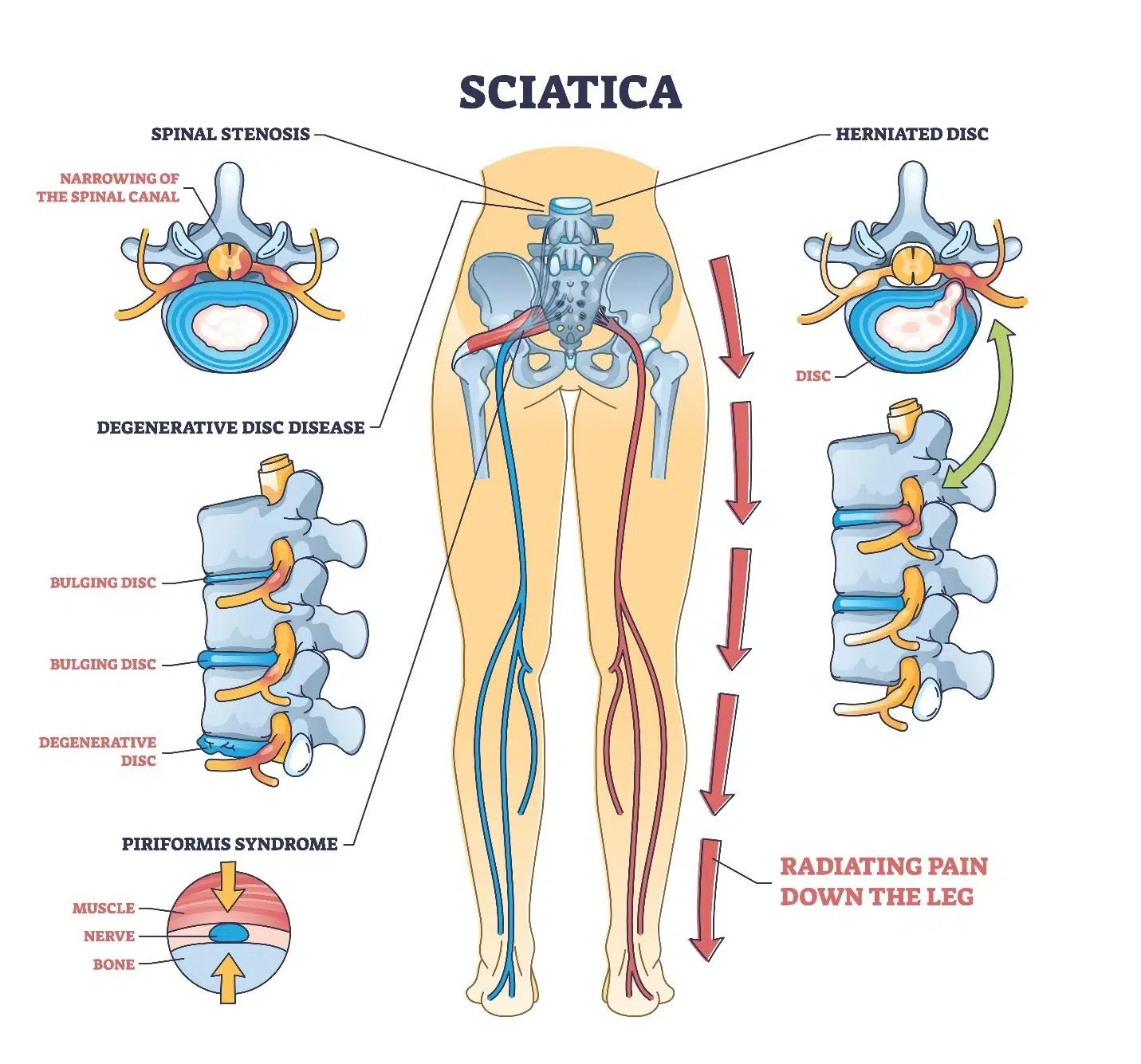
While sciatica can affect anyone, certain factors increase the likelihood of nerve compression or irritation. This can include, but is not limited to:
The diagnostic measure focuses on identifying the source of nerve irritation and ruling out other conditions that can mimic sciatic pain. A careful, step-by-step assessment allows the doctor to confirm the underlying cause and plan the most appropriate treatment.
Generally, the process entails:
The treatment plan is often designed to ease nerve irritation, reduce pain and help you return to normal movement as safely and quickly as possible. It is personalised based on the cause of nerve compression, symptom severity and how your condition affects daily activities. Many patients improve with non-surgical options, while persistent or worsening symptoms may require targeted interventions for longer-lasting relief.
Medicines are often part of early management, helping control inflammation and nerve-related discomfort. Although they do not correct the underlying structural issues, they play an important role in reducing symptoms while the nerve heals.
Targeted injections may be recommended when pain persists despite medication and therapy. These minimise inflammation directly at the site of nerve irritation.
If structural issues such as disc herniation or severe narrowing continue to press on the nerve, procedural options may be considered.
However, these are typically reserved for patients who do not improve with conservative care.
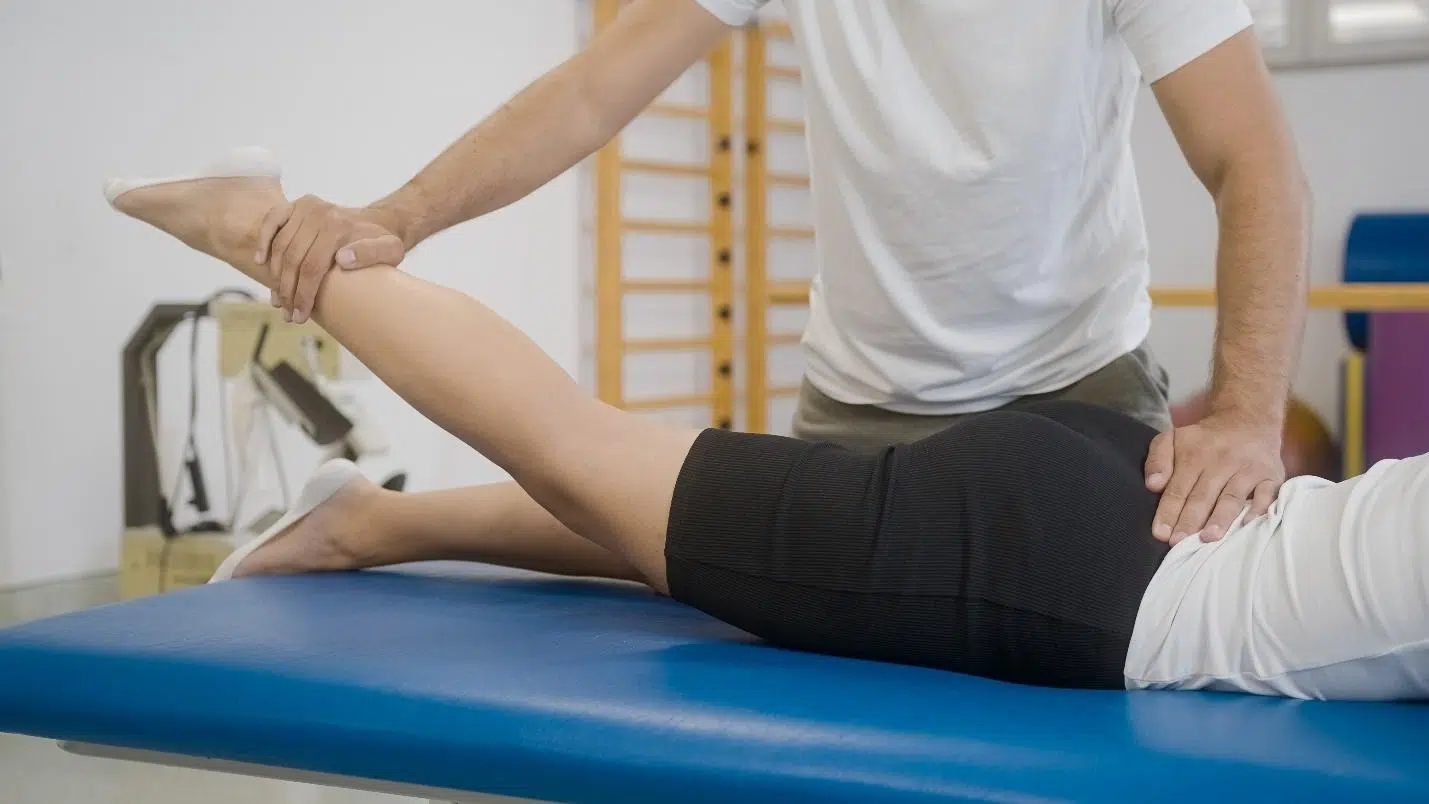
Restoring flexibility, strengthening support muscles and improving posture are essential components of long-term recovery.
Long-term management often includes simple adjustments that protect the lower back and prevent flare-ups.
Sciatica can be painful and disruptive, but with early assessment and a targeted treatment plan, most people experience significant relief and regain comfortable movement. By identifying the underlying causes, whether a disc issue, muscle tightness, or nerve irritation, our doctor can tailor treatment using a combination of medication, and if needed, minimally invasive procedures.
Timely care not only shortens recovery but also helps prevent long-term nerve irritation or mobility limitations. If radiating leg pain, numbness or lower-back discomfort is affecting your daily life, seeking medical attention early can make a meaningful difference in your recovery and overall quality of life.
Book an appointment today to schedule an appointment and receive personalised treatment to alleviate your pain.

The intensity varies widely. Some people feel a mild, nagging ache, while others experience sharp, shooting pain that travels from the lower back down the leg. The pain may worsen when sitting, bending, coughing or standing for long periods.
In mild cases, symptoms may settle over several weeks with rest, stretching and proper posture. However, persistent or worsening pain often signals ongoing nerve compression and should be evaluated by a doctor.
Yes. When the nerve is significantly irritated, it can affect sensation or muscle strength in the leg or foot. These symptoms require prompt medical attention to prevent long-term nerve damage.
Gentle walking often helps by improving circulation and reducing stiffness. However, if walking increases your pain or causes leg weakness, you should stop and seek medical advice.
Heavy lifting, deep bending, prolonged sitting and high-impact activities may worsen symptoms. Our doctor can advise which movements are safe during recovery.
Strengthening your core, maintaining good posture, staying active and avoiding long periods of sitting can reduce your risk. Ergonomic adjustments at work also help protect the spine.
You should seek medical evaluation if the pain lasts more than a week, becomes severe or is accompanied by numbness, weakness, difficulty walking or bowel or bladder changes.
Most injection-related side effects are mild and temporary, such as soreness at the injection site. Serious complications are uncommon, especially when performed under imaging guidance. Our doctor will review risks and suitability before treatment.
Patients with active infections, uncontrolled medical conditions, allergies to specific medications or certain bleeding disorders may need alternative approaches. Our doctor will assess your medical history to recommend safe options.
Yes. Weight management, regular exercise, core strengthening and ergonomic improvements can reduce strain on the lower back and lower the likelihood of future flare-ups.
Dr Wilson Tay is skilled in ultrasound-guided pain interventions that provide safer, more precise relief without unnecessary radiation exposure. His expertise covers a wide range of conditions including spine pain, headaches, abdominal and pelvic pain, fibromyalgia and cancer pain.


MMed (Anaes) | FIPP (World Institute of Pain, USA) | FAMS (Anaes) | Grad Dip Acupuncture (Singapore)
Consultant Pain Specialist, Consultant Anaesthesiologist, Registered Acupuncturist MBBS
Dr Wilson Tay is skilled in ultrasound-guided pain interventions that provide safer, more precise relief without unnecessary radiation exposure. His expertise covers a wide range of conditions including spine pain, headaches, abdominal and pelvic pain, fibromyalgia and cancer pain.


