Spondylosis

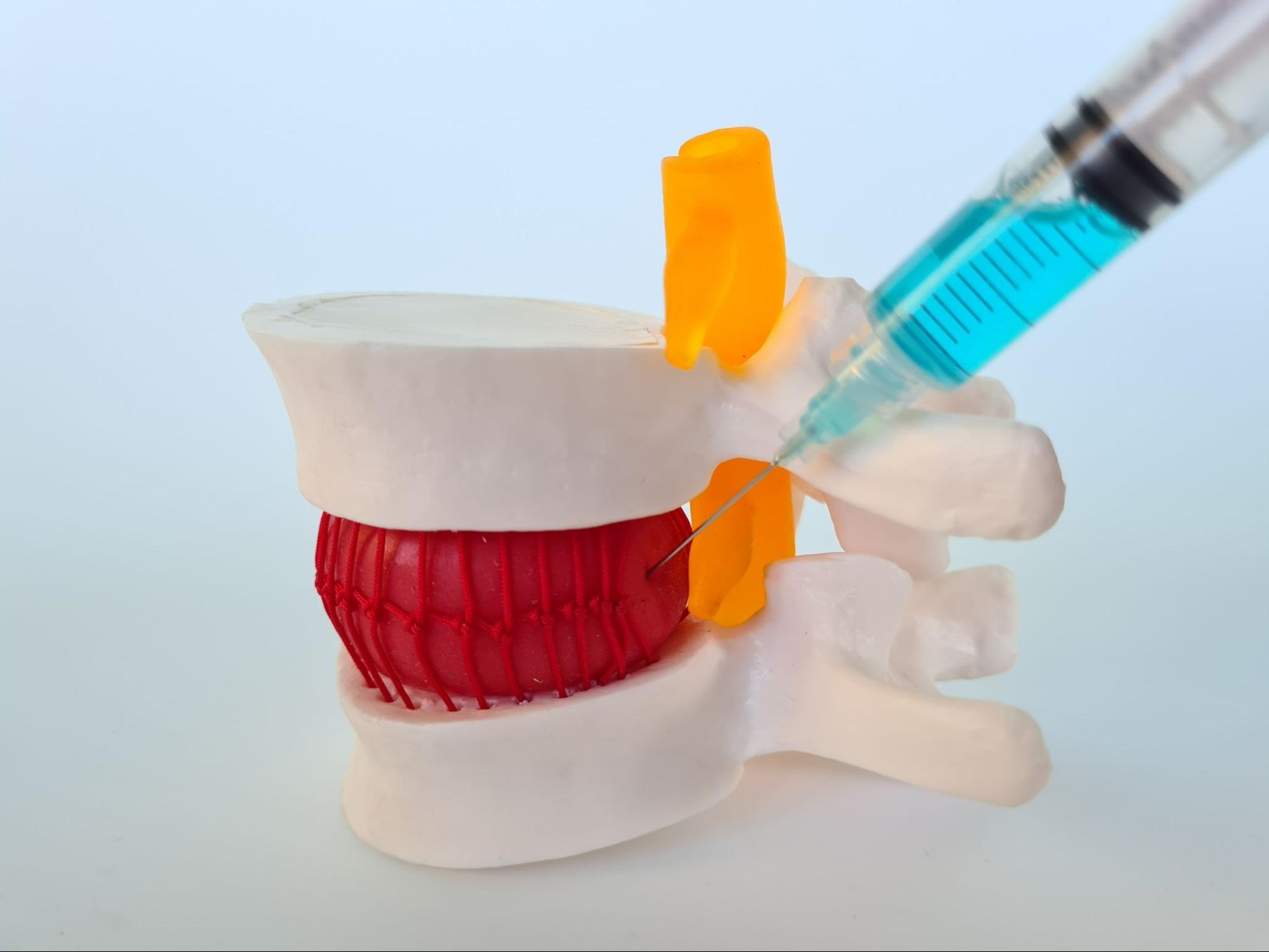
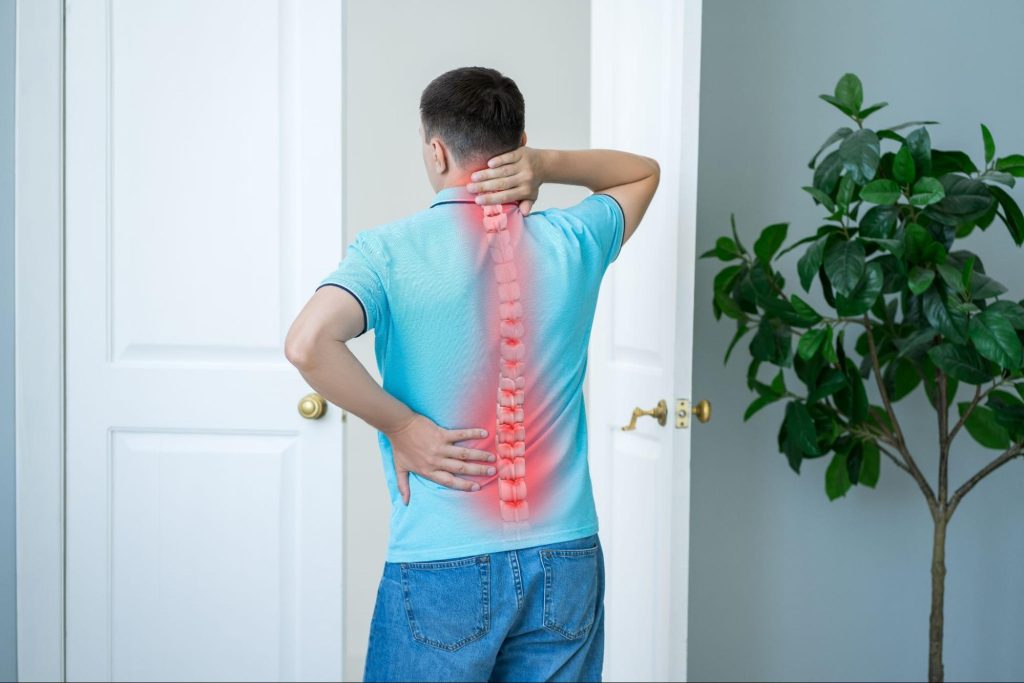
Spondylosis is age-related wear and tear of the spine that affects the discs, joints and vertebrae. It commonly occurs in the neck (cervical spondylosis) or lower back (lumbar spondylosis), causing pain, stiffness and sometimes nerve symptoms.

Rather than a single disease, spondylosis acts as an umbrella term encompassing several spine conditions, such as:
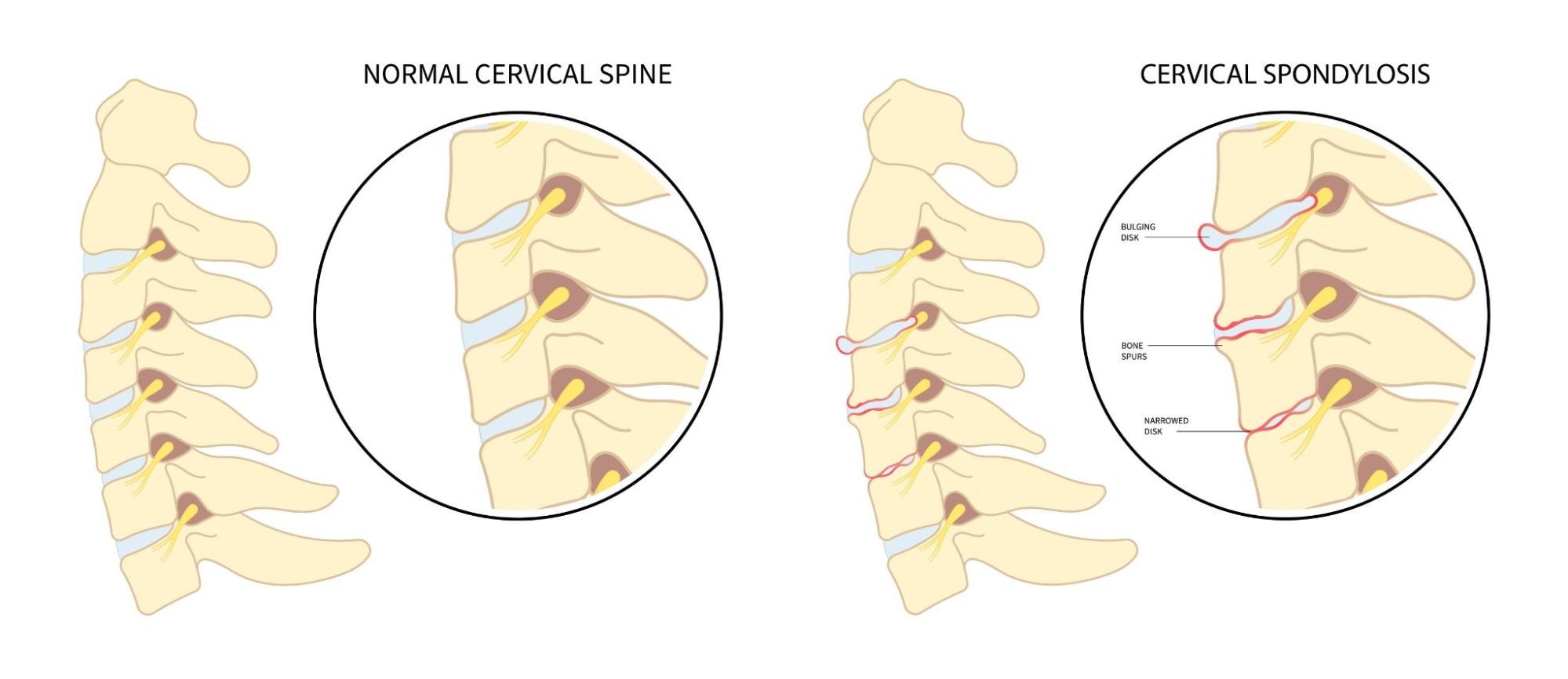
  • Osteoarthritis a common progressive degenerative condition involving the loss of joint space and joint inflammation. It is caused by the wearing out of the articular cartilage surrounding the bones.
  • Spinal stenosis characterised by the compression of the nerve roots due to a narrowing of the spinal canal. It can be caused by congenital conditions or acquired due to degenerative changes, traumatic injuries or injuries from medical or surgical procedures.
  • Spondylitis – a type of inflammatory arthritis, described as an autoimmune disorder commonly affecting the axial bones (skull, spine and ribcage) and the sacroiliac joints. Ankylosing spondylitis is commonly observed in younger patients, often diagnosed before the age of 40 years old.
Cervical spondylosis commonly presents as neck pain and stiffness, sometimes accompanied by radiating pain, numbness or tingling sensation and limb weakness.
  • Spondylolisthesis occurs when one vertebral bone slips out of position, resulting in added pressure on the bone below it. The vertebrae can slip towards the front (anterolisthesis) or towards the back (retrolisthesis).

Although spondylosis acts as an umbrella term encompassing several spine-related conditions, this page focuses specifically on degenerative spinal changes caused by gradual wear and tear.

What causes Spondylosis?

The condition develops gradually due to cumulative mechanical stress and the biological ageing process within the spine. This can include:
  • Degenerative changes – with age or repeated strain, spinal discs lose hydration and elasticity. As discs thin and stiffen, their ability to absorb shock diminishes.

  • Structural instability – reduced disc height alters spinal alignment and load distribution. This places additional stress on joints and ligaments, contributing to stiffness and instability.

  • Progressive mechanical wear – as disc degeneration advances, the spine compensates by redistributing forces, which may accelerate joint and ligament strain.

  • Bone spur formation – the body may form bony outgrowths (osteophytes) in response to instability. These can encroach on nerve spaces, leading to pain, numbness or weakness.

What are the symptoms of Spondylosis?

Some individuals with spondylosis experience no symptoms because spinal wear does not always irritate nerves or limit movement.

Symptoms vary depending on the affected spinal region and the degree of nerve involvement. Although many individuals remain asymptomatic despite imaging findings, the symptoms may present themselves as:

Cervical spondylosis

  • Neck pain 
  • Neck stiffness
  • Discomfort worsened by head movement
  • Pain radiating to the shoulders or upper back
  • Tingling, numbness or weakness in the arms or hands
  • Changes in balance or coordination (in advanced cases)

Lumbar spondylosis

  • Persistent lower back pain
  • Leg pain
  • Leg numbness
  • Pain radiating into the buttocks or legs
  • Reduced stability during walking or standing

Who is at risk of developing Spondylosis?

Spondylosis is often caused by degenerative changes leading to disorders of the spine. However, certain factors increase its susceptibility, such as:

  • Age – over time, intervertebral discs naturally lose water content and elasticity, reducing their ability to cushion the spine. This leads to increased load on the facet joints and vertebral bones, promoting joint degeneration and osteoarthritis.
  • Genetic factors – inherited traits can influence spinal structure, disc health and inflammatory responses. Certain genetic or autoimmune conditions may increase susceptibility to early joint degeneration or chronic spinal inflammation, raising the risk of developing spondylotic changes.
  • Congenital factors – some individuals are born with structural features such as a narrower spinal canal, short pedicles or abnormal vertebral alignment. These variations reduce the available space for nerves and place greater mechanical stress on spinal joints, making degenerative changes more likely over time.
  • Traumatic injuries – previous spinal injuries, including fractures, disc injuries or severe soft tissue damage, can disrupt normal spinal alignment and load distribution. This may lead to post-traumatic osteoarthritis, accelerating degeneration of discs and joints and increasing the risk of spondylosis.
  • Physical activity or occupational strain – high-impact sports, repetitive movements or activities involving heavy lifting, twisting or prolonged vibration place repeated stress on the spine. Over time, this accelerates disc wear and joint degeneration. Occupations that involve long hours of driving or sustained poor posture may also contribute to chronic spinal loading.
  • Obesityexcess body weight increases the mechanical load on the spine, particularly in the lumbar region. This added stress raises the risk of disc degeneration and vertebral slippage (spondylolisthesis). Repeated microtrauma from ongoing strain can further speed up degenerative changes.

How is Spondylosis diagnosed in Singapore?

Diagnosing spondylosis involves a careful combination of clinical assessment and imaging studies. This is to confirm degenerative changes in the spine and determine whether nerves or the surrounding structures are affected.

The process generally involves:
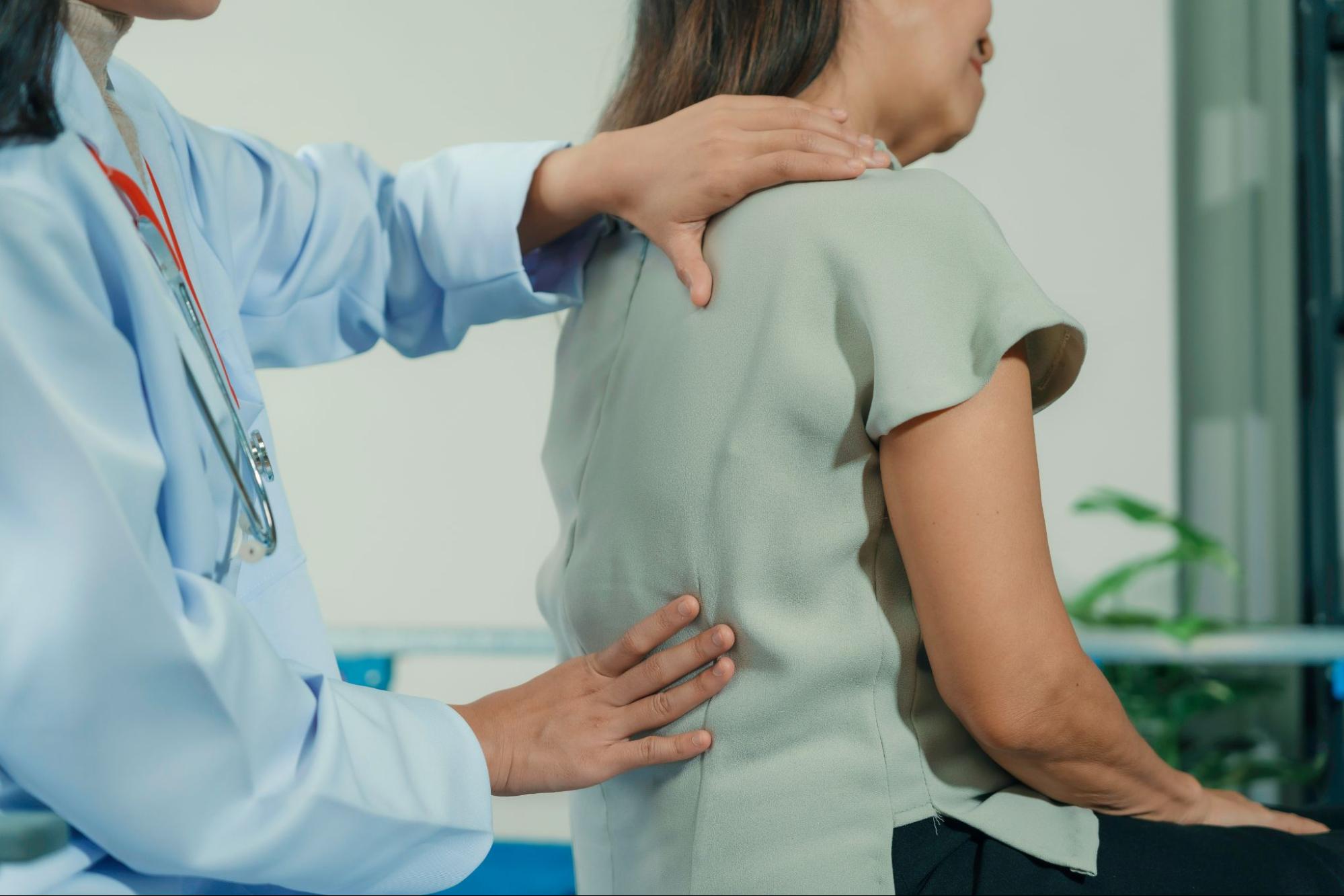
  • History review – Dr Wilson Tay will begin by taking a detailed history of your symptoms, including when they started, how they have progressed and whether they are linked to past injuries, accidents or repetitive strain.
  • Physical examination – it is then followed by a physical assessment of the spine, where areas of tenderness, stiffness or pain are evaluated through gentle palpation and movement. Additional examinations may include observing your posture and walking pattern, assessing spinal and limb range of motion. Our doctor may also include testing reflexes, strength and sensation. These findings help identify signs of nerve compression or spinal instability.
  • X-ray imaging – this is often the first imaging tool used to assess bony changes in the spine. They help detect structural features commonly associated with spondylosis, such as bone spur formation (osteophytes), narrowing of disc spaces, endplate sclerosis and degenerative changes in the facet joints. X-rays also provide useful information about spinal alignment and stability.
  • Magnetic resonance imaging (MRI) – these scans provide detailed images of intervertebral discs, nerves, ligaments and blood vessels, making them particularly valuable for identifying nerve compression or spinal cord involvement. It may reveal conditions such as disc bulges or herniation, ligament thickening, facet joint inflammation, swelling or reduced blood supply to neural tissues. MRI is also preferred for individuals who should avoid ionising radiation, such as pregnant patients.
An accurate diagnosis ensures that spinal changes seen on scans are truly responsible for symptoms, allowing treatment to be precisely targeted.
  • Computed tomography (CT) – this offers high-resolution images of bony anatomy and is especially useful when precise assessment of vertebral structures is required. In certain cases, a CT myelogram may be performed, where contrast dye is injected to highlight nerve pathways and pinpoint areas of compression more clearly.
  • Neurological tests – when nerve involvement is suspected, further neurological and functional tests may be performed to assess nerve involvement and spinal stability. These tests help differentiate spondylosis from other conditions that may cause similar symptoms, such as peripheral nerve disorders or muscle diseases.

How is Spondylosis treated in Singapore?

Appropriate treatment can reduce pain, restore mobility and help individuals with spondylosis maintain an active and comfortable lifestyle.

Surgical treatment

  • Discectomy – this procedure involves removing part or all of a damaged intervertebral disc that is pressing on nearby nerves. By relieving compression, discectomy aims to reduce radiating pain, numbness or weakness in the limbs.
  • Laminectomy – the procedure widens the spinal canal by removing part of the bony arch at the back of the vertebra. This reduces pressure on the spinal cord or nerve roots, particularly in cases of spinal canal narrowing.
  • Foraminotomy – this treatment is performed to enlarge the opening through which spinal nerves exit the spine. This procedure is used when nerve compression occurs at the nerve root level, helping to relieve pain and neurological symptoms.
  • Arthroplasty – in selected cases, disc or joint replacement procedures may be performed to restore movement while maintaining spinal stability. These motion-preserving techniques may be considered for suitable patients, depending on age, activity level and overall spinal health.

The treatment of spondylosis focuses on relieving pain, reducing nerve irritation and maintaining spinal function. It is tailored to the severity of the symptoms, the specific spinal structures involved and how much daily activity is affected.

This may involve:

Non-surgical treatment

  • Pain medications – medications are used to control pain and inflammation during flare-ups. Anti-inflammatory medicines help reduce swelling around joints and nerves, while muscle relaxants may be prescribed when muscle tightness or spasms contribute to discomfort or restricted movement.
  • Physiotherapy – physiotherapy plays a central role in managing spondylosis by improving spinal mobility, muscle strength and overall stability. Treatment programmes are designed to reduce stiffness, restore normal movement patterns and support the spine during daily activities.
  • Spine support – supportive devices such as cervical collars, lumbar braces or ergonomic pillows may be recommended in selected cases. These aids help maintain proper spinal alignment, reduce excessive movement during painful phases and support the spine during work, rest or sleep.
  • Interventional treatment – when pain persists despite medication and physiotherapy, targeted injections may be considered. Some of the available options are:
    • Epidural steroid injections – reduce inflammation around compressed nerves to relieve pain and improve mobility.
    • Nerve blocks – interrupt pain signals from affected spinal nerves, providing symptom relief and supporting rehabilitation.
    • Radiofrequency ablation – targets nerves that transmit chronic pain signals, offering longer-lasting pain relief in selected cases.
    • Platelet-rich plasma (PRP) injections – may promote tissue healing and reduce inflammation in degenerative spinal joints.
Spondylosis is a common spinal condition that is highly manageable with timely assessment and personalised care.

Summary

Spondylosis describes age- and wear-related changes in the spine that can gradually lead to pain, stiffness or nerve irritation. While it is more common as we grow older, it can also affect younger adults following injuries, long hours of strain or repeated stress on the spine. Symptoms may start subtly and worsen over time, often interfering with daily comfort, mobility and sleep if left unaddressed.

If back or neck pain has been holding you back, speaking to a doctor early can make a real difference in regaining comfort and confidence in everyday movement.

Frequently Asked Questions (FAQs)

Get In Touch

Make an enquiry or
Request a consultation