
Shoulder Rotator Cuff Tears

What are shoulder rotator cuff tears?

The rotator cuff is a group of 4 muscles, and tendons that stabilise the shoulder, and allow for smooth, and controlled arm movements. A shoulder rotator cuff tear occurs when one or more of these tendons become damaged or torn, either partially or completely.

These tears can result in shoulder pain, weakness, and difficulty performing everyday tasks such as reaching overhead, lifting objects or even dressing. If these tears are left untreated, a shoulder rotator cuff tear can worsen over time, and lead to chronic shoulder dysfunction.
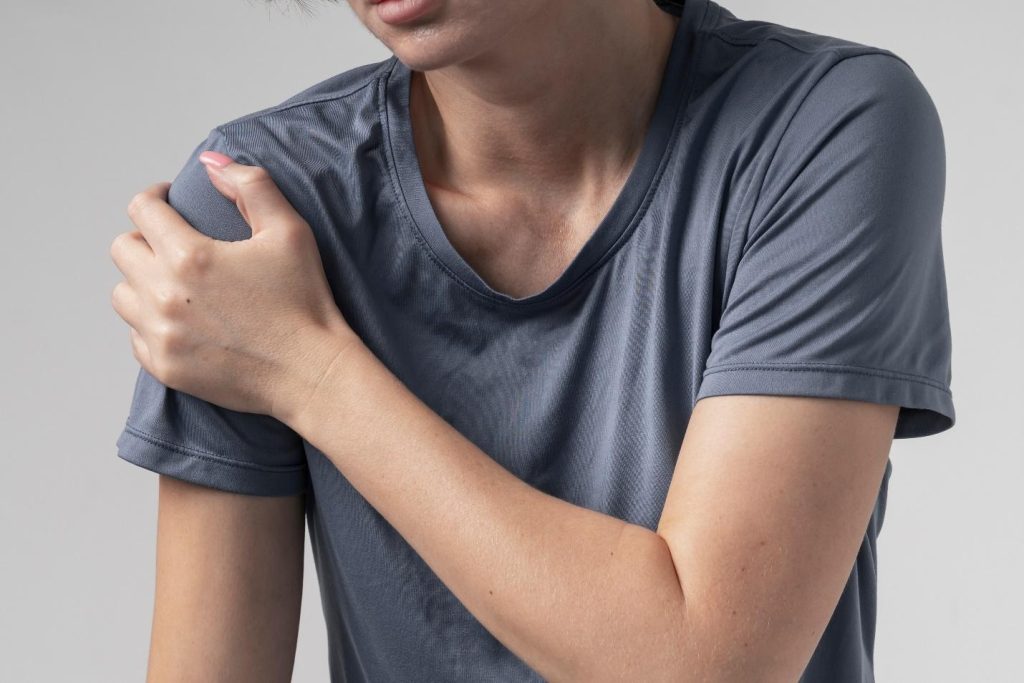
Shoulder rotator cuff tears can lead to persistent pain, weakness, and limited arm movement, especially during overhead activities.

Types of shoulder rotator cuff tears

Shoulder rotator cuff tears are classified based on the extent, and nature of the damage, such as:

  • Partial tear the tendon is damaged or frayed but not completely severed.
  • Full-thickness tear the tendon is completely torn away from the bone.
  • Degenerative tear occurs over time due to wear ,and tear, commonly seen in older adults.
  • Acute tear results from a sudden injury, such as lifting a heavy object or falling on an outstretched arm.

What causes shoulder rotator cuff tears?

Although shoulder rotator cuff tears can arise from several causes, it often falls into one of the two following categories:

  • Traumatic injuries traumatic injuries such as falling on your shoulder, lifting something too heavy or experiencing a sudden jerking movement.
  • Degenerative wear and tear repetitive overhead motions from activities like swimming, tennis or painting can wear down the tendons over time. Additionally, age-related degeneration is also a major contributing factor.

Beyond traumatic injuries, and degenerative wear and tear, shoulder rotator cuff tears can also develop due to bone spurs, poor posture or reduced blood flow to the tendons due to age.

Shoulder rotator cuff tears often occur due to traumatic injuries or wear and tear.

Symptoms of Shoulder Rotator Cuff Tears

The symptoms of shoulder rotator cuff tears may vary depending on the severity, and duration of the tear. However, some of the common signs include:

  • A crackling or popping sensation during movement, known as crepitus.
  • Limited range of motion or difficulty reaching behind the back.
  • Pain that worsens at night, disturbing sleep.
  • Pain when lifting or lowering your arm.
  • Shoulder weakness, especially during overhead tasks.

What complications can arise from shoulder rotator cuff tears?

Without timely, and appropriate treatment, shoulder rotator cuff tears can lead to persistent symptoms, and long-term dysfunction. These complications not only affect your shoulder but can also influence your overall posture, daily activities, and quality of life. Some of the complications are:

  • Muscle weakening and wasting prolonged disuse of the affected shoulder often results in weakening of the rotator cuff, and surrounding muscles, particularly the deltoid. Over time, muscle atrophy can reduce shoulder strength, and stability, slowing down recovery, and increasing the risk of further injury.
  • Ongoing shoulder pain when a torn tendon is left untreated or continues to be strained, inflammation and irritation can persist, leading to chronic pain. This discomfort may interfere with sleep, hinder daily movement, and contribute to fatigue or mood changes.
  • Progressive tendon damage a small tear may worsen over time if it is repeatedly stressed, potentially leading to a complete tear. In fact, larger tears are more challenging to treat, and may eventually require surgical intervention.
  • Reduced mobility and function without proper rehabilitation, shoulder stiffness, and limited range of motion may become permanent. This can make it difficult to perform everyday tasks, such as reaching behind your back, lifting objects or engaging in work or sports activities.
  • Secondary joint strain when the injured shoulder cannot function properly, other parts of the body, such as the neck, opposite shoulder or upper back, tend to compensate. This can lead to overuse injuries, muscular imbalances, and additional joint stress.
  • Shoulder joint degeneration long-standing rotator cuff injuries can contribute to a condition known as cuff tear arthropathy, where the shoulder joint becomes unstable, and starts to degenerate, leading to pain, stiffness, and limited function.

Who is at risk of shoulder rotator cuff tears?

While shoulder rotator cuff tears can happen to anyone, certain individuals are more likely to experience them due to age, lifestyle or underlying health conditions. These risk factors include:

  • Age rotator cuff injuries become increasingly common after the age 40. As tendons age, they naturally lose strength, and elasticity, making them more susceptible to wear and tear, especially with repeated use.
  • Gender men tend to experience rotator cuff tears more frequently than women, especially in middle to older age, likely due to a combination of physical strain, and higher rates of occupational shoulder use.
  • Family history – some individuals may inherit structural characteristics, like a narrow shoulder arch or weak connective tissues, that make them more vulnerable to rotator cuff tears.
  • Metabolic and systemic conditions – health issues such as diabetes or high cholesterol can affect tissue quality, and healing ability, which may contribute to tendon inflammation, and breakdown.
  • Occupational and athletic demands people whose jobs or sports involve frequent overhead arm movements, such as painters, construction workers, swimmers, and tennis players, place continuous stress on the shoulder, raising the risk of tendon damage over time.
  • Previous shoulder injuries a history of shoulder dislocations, fractures or sprains may weaken the supporting structures, and set the stage for future tendon injuries.
  • Poor posture rounded shoulders or forward-leaning posture from prolonged desk work can subtly shift shoulder mechanics, increasing friction, and tension on the rotator cuff tendons.
  • Smoking tobacco use is linked to reduced blood flow to soft tissues, impairing tendon repair, and increasing the likelihood of degeneration.
Continuous stress on the shoulders due to athletic demands, such as gym-goers, increases the risk of shoulder rotator cuff tears.

How are shoulder rotator cuff tears diagnosed?

Shoulder pain caused by a rotator cuff tear can be frustrating and debilitating, so much so it often makes everyday tasks like reaching, lifting or even sleeping uncomfortable. To ensure accurate diagnosis, and effective treatment, it is essential to understand not only the presence of a tear, but also its size, severity, and cause.

To make an accurate diagnosis, our doctors often perform the following procedures:

  • Medical history review – our doctors will begin by asking detailed questions about your symptoms. This may include when the symptoms first started, and how they affect your daily movements. Additionally, information about past shoulder issues, repetitive strain from work or sports, and general health can all provide important context.
  • Physical examination – our doctors will then assess your shoulder’s strength, mobility, and functional range. Specific movement tests will help our doctors identify pain patterns, and signs of tendon weakness or tearing. You may be asked to raise your arm, rotate it against resistance or perform other motions to pinpoint where the damage lies.
  • Imaging tests – to confirm the diagnosis, and determine the severity of the tear, we may recommend imaging studies such as:
    • Magnetic resonance imaging (MRI) scans will provide our doctors with a detailed view of soft tissues like tendons, and muscles.
    • Ultrasound offers a dynamic, and real-time way to assess tendon integrity, and shoulder movement.
    • X-rays are often used to check for bone spurs, joint degeneration or other structural issues that may contribute to the problem.

How are shoulder rotator cuff tears treated in Singapore?

Whether you are managing a minor tear or a more complex tendon injury, we offer targeted, non-surgical therapies to reduce pain, restore function, and prevent further degeneration. This includes:

  • Physiotherapy – physiotherapy strengthens the surrounding shoulder muscles, and gradually restores range of motion. We start with gentle exercises to improve flexibility, then progress to strengthening routines tailored to your stage of healing. Our physiotherapists work closely with you to avoid overloading the injured tendon while promoting steady improvement.
  • Medications for pain and inflammation – non-steroidal anti-inflammatory drugs (NSAIDs) may be prescribed to reduce pain, and swelling in the early stages or during flare-ups. They are often used in combination with physical therapy to enhance comfort, and compliance.
  • Platelet-Rich Plasma (PRP) therapy – in some cases, we may recommend PRP injections, which use your body’s own growth factors to support tissue repair in degenerative or chronic tendon injuries. This is especially useful in partial tears or tendinopathy.
  • Specialised interventional pain management – for cases where conservative therapy has plateaued or pain remains a major barrier, we provide innovative image-guided interventions. These include nerve blocks, and targeted injections to disrupt pain pathways, and support function, without surgery.
  • Therapeutic ultrasound and heat therapy – these modalities can be used to complement your rehab programme. Heat therapy increases circulation, and reduces muscle tightness, while therapeutic ultrasound penetrates deeper tissues to support tendon healing, and reduce micro-inflammation.
  • Ultrasound-guided corticosteroid injections  – for more persistent or debilitating shoulder pain, we offer corticosteroid injections delivered precisely to the affected area under ultrasound guidance. This reduces inflammation in the subacromial space or tendon sheath, allowing you to progress through physiotherapy with less discomfort.
Physiotherapy is typically the go-to treatment measures to alleviate pain, regain mobility, and strengthen the tendons and muscles.

Summary

Shoulder rotator cuff injuries can interfere with your daily life, whether it is reaching overhead, carrying groceries or sleeping through the night without pain. But recovery is possible, and you do not have to navigate it alone.

At Apicare Pain Clinic, we provide precise, evidence-based care for shoulder rotator cuff tears designed around your needs, your goals, and your lifestyle. From accurate diagnosis to specialised non-surgical pain relief, and structured rehabilitation, our team is here to help restore your shoulder strength, and function, step by step.

If shoulder pain is affecting your movement or quality of life, do not wait. Book a consultation with us today, and take the first step towards healing with confidence.

Frequently Asked Questions (FAQs)