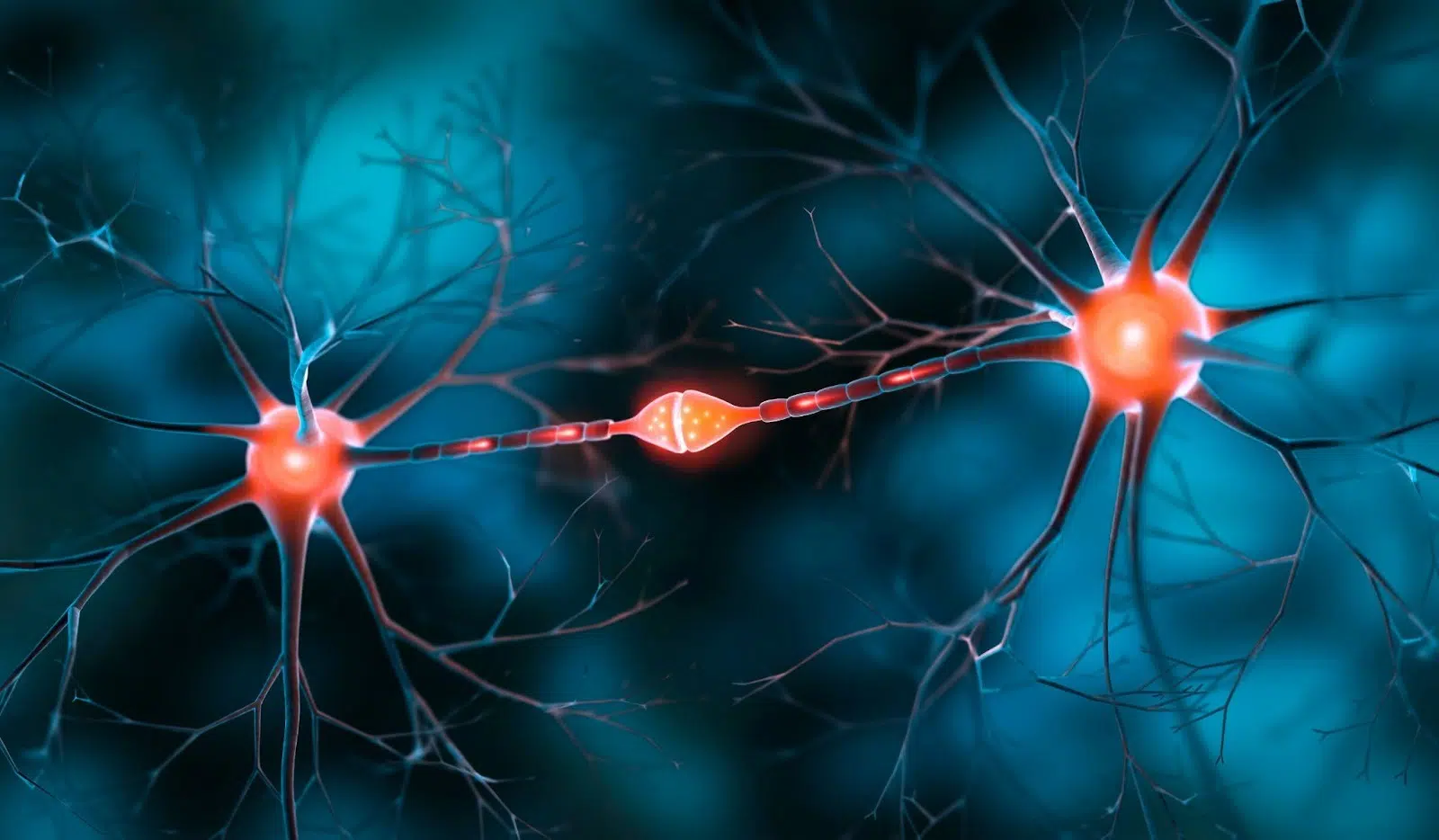
Neuromodulation Therapy

Neuromodulation therapy is a modern medical treatment that uses targeted electrical stimulation to regulate abnormal nerve activity responsible for chronic pain and certain neurological conditions. Rather than masking symptoms, it works by modifying how pain signals are transmitted between the nerves and the brain.

This therapy is typically considered when conventional treatments, such as medications, physiotherapy or injections, have provided limited or temporary relief.

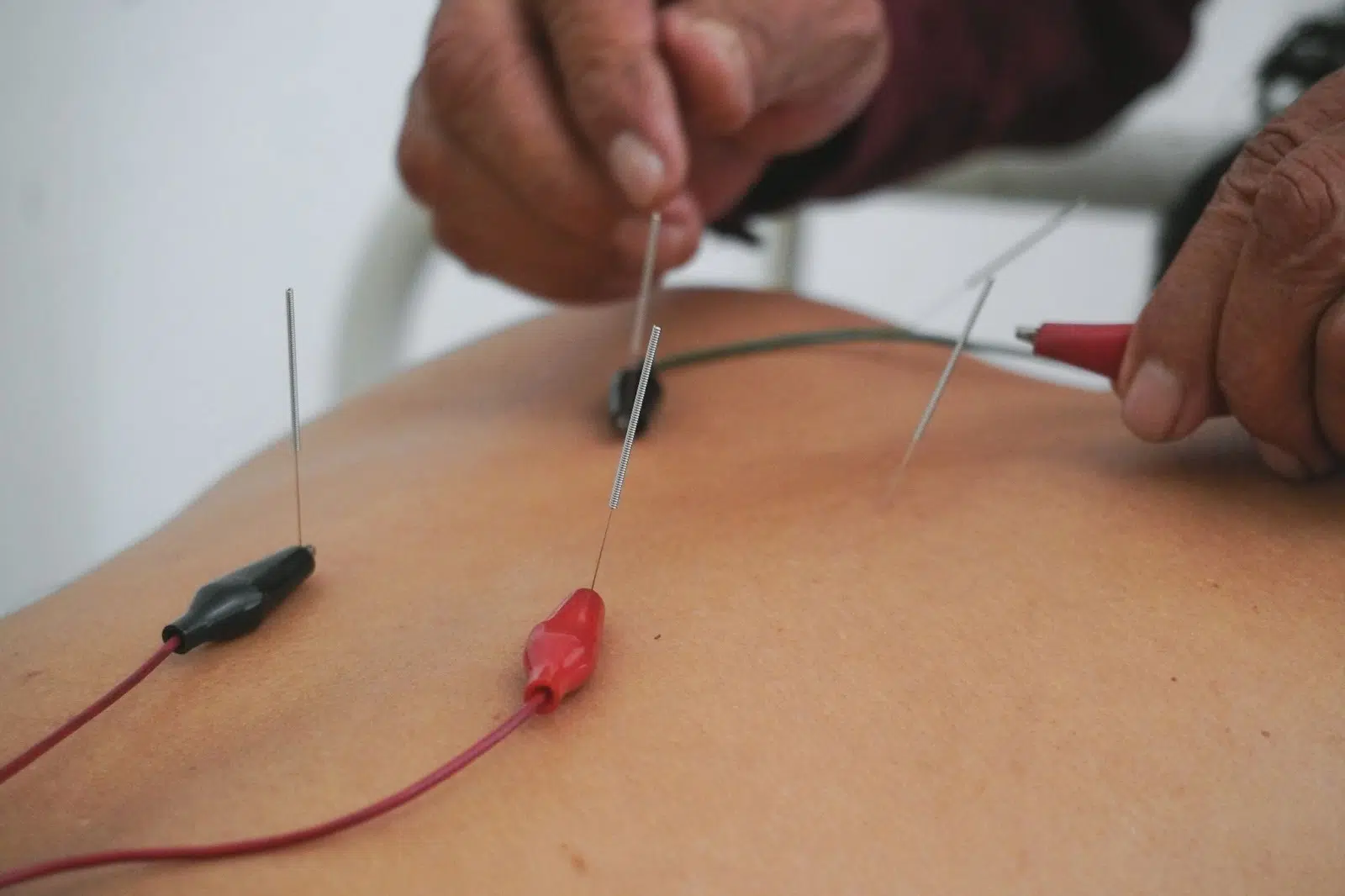
neuromodulation therapy for chronic pain management.
Neuromodulation therapy delivers controlled electrical impulses to alter abnormal nerve signals and reduce chronic pain.

Types of neuromodulation therapy

Neuromodulation can be delivered through different techniques depending on the condition being treated and the area of pain. This includes:

  • Spinal Cord Stimulation (SCS) – delivers electrical impulses to the spinal cord to interrupt pain signals before they reach the brain, commonly used for chronic back and nerve-related pain.
  • Dorsal Root Ganglion (DRG) Stimulation – targets specific nerve clusters for more localised pain conditions such as foot, groin or pelvic pain.
  • Peripheral Nerve Stimulation (PNS) – stimulates individual peripheral nerves outside the spinal cord to relieve pain in specific regions such as the shoulder, knee or limbs.
  • Deep Brain and Other Targeted Neuromodulation (Specialist Use) – used in selected neurological conditions under specialist care, where precise brain or nerve pathways are involved.

How does neuromodulation therapy work?

Pain occurs when abnormal electrical signals travel along nerves to the brain. Neuromodulation therapy alters these signals by delivering controlled electrical impulses that “re-tune” nerve activity.

By modulating rather than destroying nerve pathways, neuromodulation can influence how nerves communicate with the brain by:

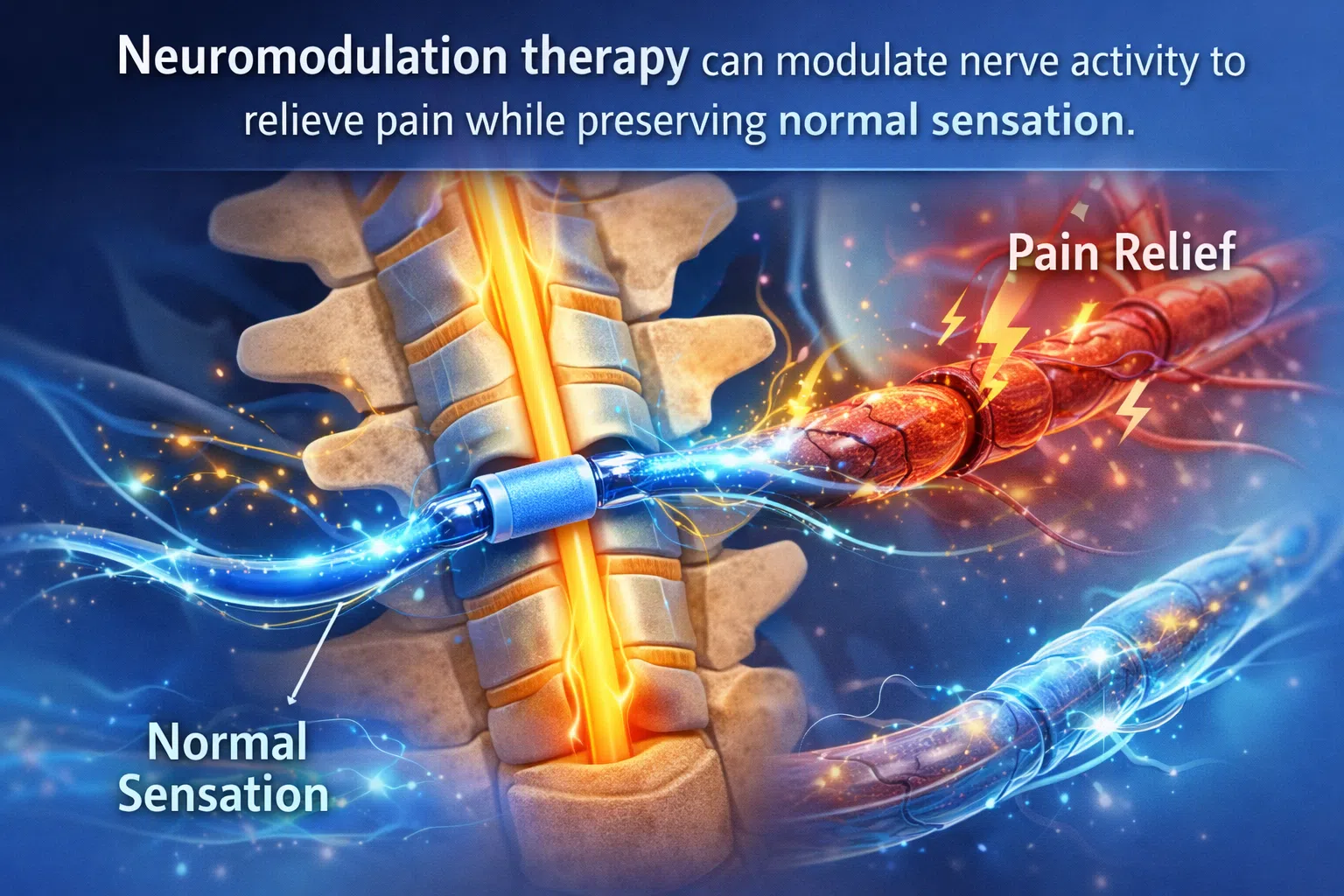
how neuromodulation therapy alleviates chronic nerve pain.
Neuromodulation therapy can modulate nerve activity to relieve pain while preserving normal sensation.
  • Reduces pain signal intensity – nerves transmit pain through electrical impulses. In chronic pain, these signals become overactive or distorted, sending continuous pain messages even when there is no ongoing injury. Neuromodulation delivers low-level, controlled electrical stimulation to targeted nerves or nerve centres. This stimulation interferes with excessive pain signals, making them weaker and less frequent before they reach the brain.
  • Restores balanced nerve function – healthy nerves maintain a balance between signals that amplify pain and signals that suppress it. Chronic pain disrupts this balance. Neuromodulation helps re-establish normal signalling patterns by encouraging nerves to fire in a more organised and regulated way. Over time, this “re-tuning” reduces abnormal nerve excitability and supports healthier nerve communication.
  • Decreases pain perception in the brain – pain is not only a nerve problem but also a brain response. Neuromodulation affects how the spinal cord and brain interpret incoming signals. By modifying pain transmission at key relay points, the brain receives fewer distress signals, leading to a reduced perception of pain intensity, even though normal sensations such as touch and movement remain intact.
  • Preserves normal sensation and movement – unlike destructive procedures, neuromodulation does not damage nerves. It selectively targets pain pathways while allowing normal sensory and motor signals to continue functioning. This is why patients can experience pain relief without numbness, weakness or loss of normal sensation.

Benefits of neuromodulation therapy

The therapy offers several benefits, such as:

  • Targeted pain relief without reliance on long-term medications
  • Adjustable and reversible treatment
  • Minimally invasive compared to major surgery
  • Can significantly improve daily function and quality of life
  • Suitable for chronic and nerve-related pain conditions

What conditions can neuromodulation therapy treat?

Neuromodulation may be recommended for a range of chronic pain and neurological conditions, particularly when conservative treatments have failed. The therapy may be beneficial for those with the following conditions:

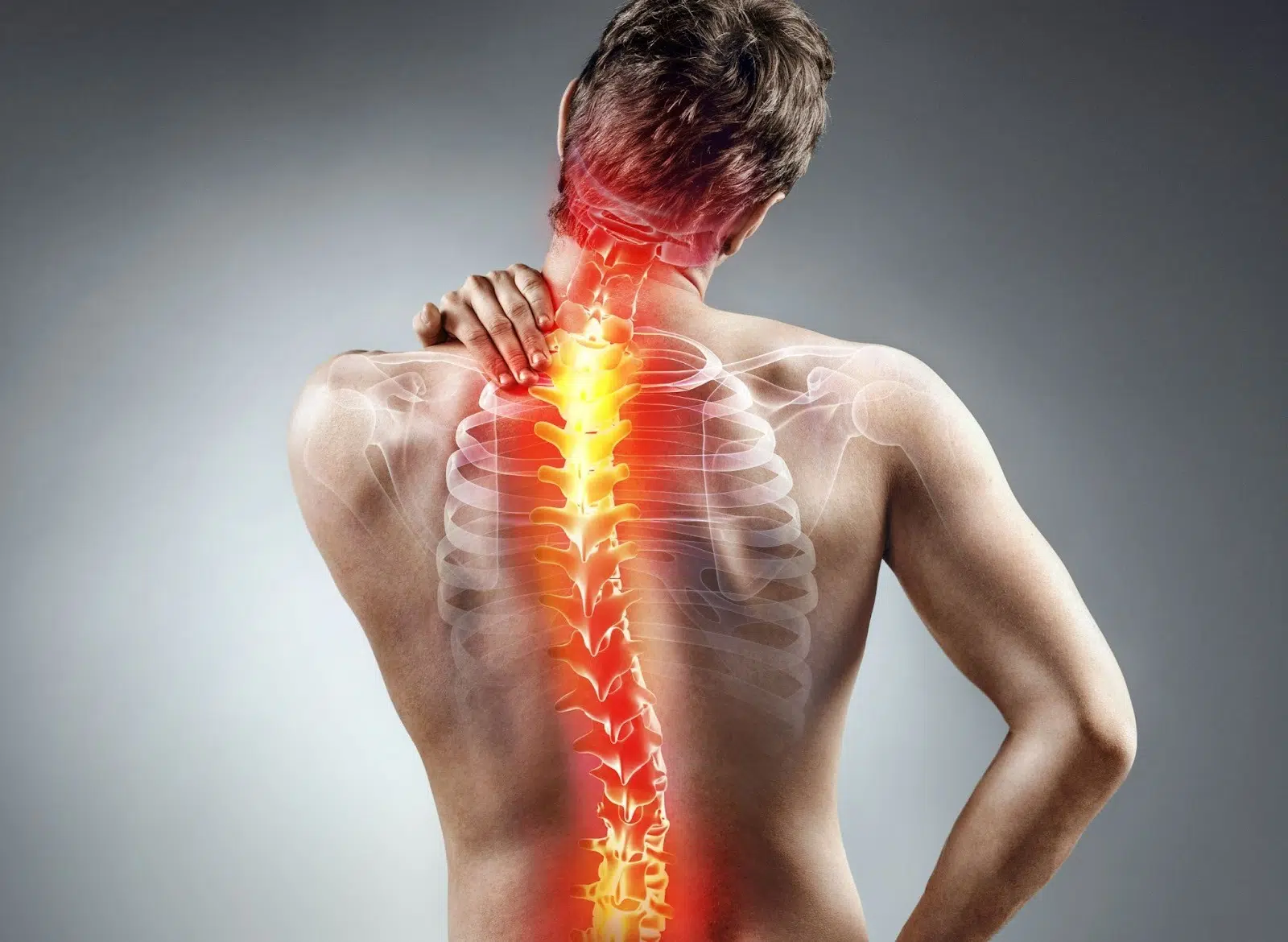
neuromodulation therapy for chronic back and neck pain relief.
Neuromodulation therapy helps relieve chronic back and neck pain by modulating abnormal nerve signals at their source rather than masking symptoms.

What to expect during neuromodulation therapy

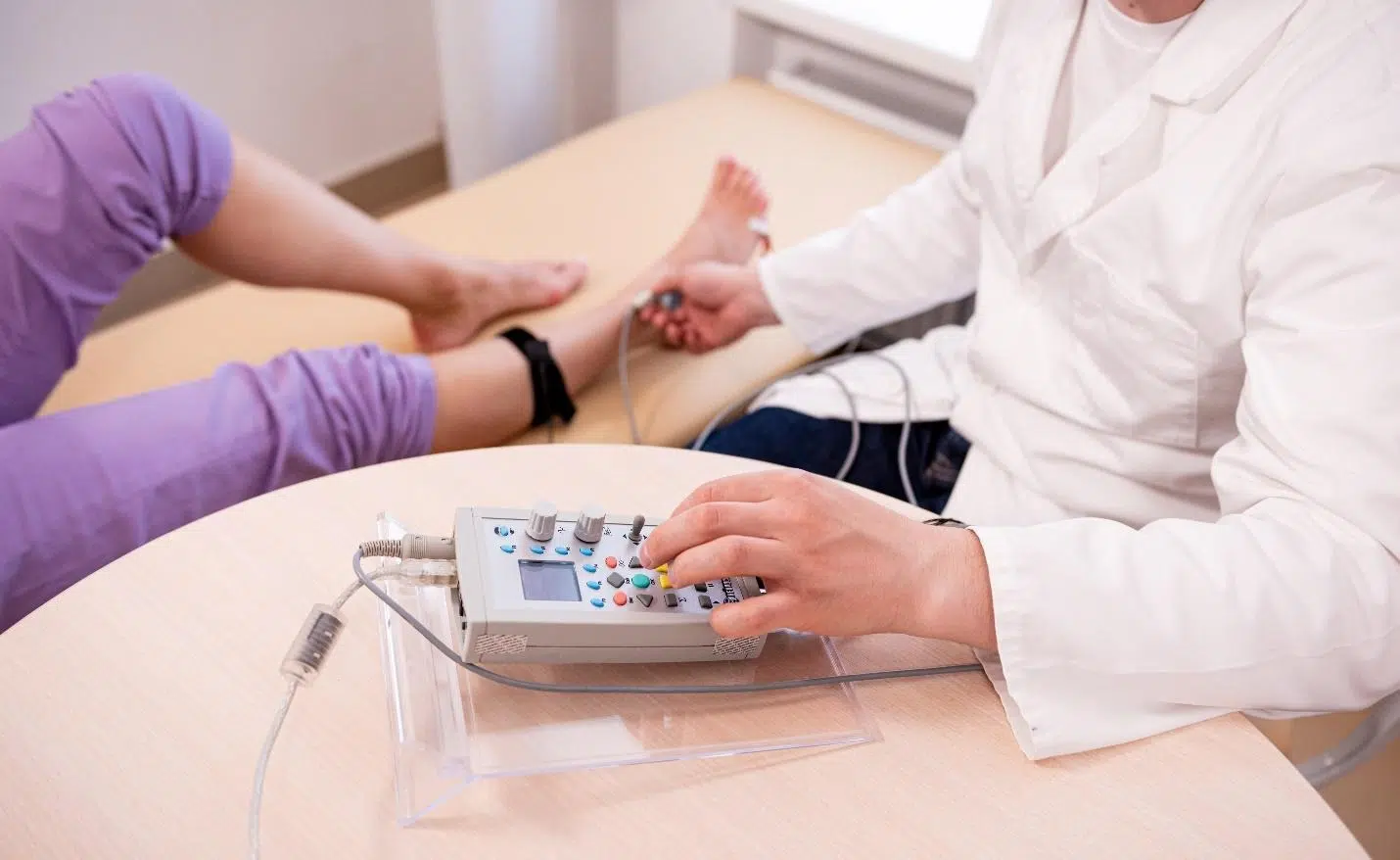
neuromodulation therapy patient assessment in clinic.
A proper medical assessment ensures neuromodulation therapy is tailored to each patient’s pain profile and needs.

Neuromodulation therapy follows a step-by-step and carefully guided process. The therapy usually begins with a comprehensive evaluation to ensure it is appropriate, effective and tailored to your condition.

 Our doctor will guide you through each step, which entails:

  • Comprehensive assessment – your journey begins with a detailed consultation. Our doctor will review your medical history, previous treatments, imaging results and pain pattern to determine whether neuromodulation is suitable for you.
  • Trial stimulation phase – a temporary trial is performed using thin electrodes placed near the targeted nerves. These electrodes are connected to an external stimulator, allowing you to experience the therapy in daily life over several days. This phase helps to confirm:
    • Whether pain relief is significant
    • Which stimulation settings work best
    • How the therapy affects your function and comfort
  • Evaluation of trial results – if the trial provides meaningful pain reduction and improved quality of life, neuromodulation may be recommended as a long-term solution.
  • Permanent implantation (if suitable) – a permanent system is implanted under the skin during a minimally invasive procedure. The electrodes are positioned precisely and the device is programmed to match your pain pattern.
  • Personalised device programming and follow-up – after implantation, our doctor will fine-tune the stimulation settings to optimise relief. Regular follow-ups ensure the therapy continues to meet your needs, with adjustments made as required.

Aftercare and recovery after neuromodulation therapy

Patients need to follow post-treatment guidelines. This is to ensure that they achieve optimal results from the procedure. They are usually advised to:

  • Limit strenuous activity during early recovery
  • Attend scheduled follow-ups for device adjustment
  • Monitor the implant site for signs of infection

What results can you expect from neuromodulation therapy?

Most patients experience gradual improvement rather than immediate relief, with outcomes optimised when neuromodulation is combined with rehabilitation and ongoing specialist follow-up. Additionally, patients have also reported experiencing improved mobility and a better quality of life.

While the results are positive, it is important to understand that neuromodulation therapy does not cure the underlying condition.

How many sessions are required?

The therapy is designed as a stepwise, long-term pain management solution, rather than a treatment that requires frequent repeat sessions. The process focuses on carefully assessing your response to stimulation first, followed by permanent treatment only if meaningful pain relief is achieved.

Following implantation, ongoing follow-up appointments are used to fine-tune stimulation settings, adjust therapy as your condition evolves and optimise long-term outcomes. Unlike injections or medications, neuromodulation does not rely on repeated procedures, but on personalised programming to maintain effective pain control over time.

neuromodulation therapy number of sessions and treatment phases.
Neuromodulation therapy typically involves a trial phase followed by a single implantation procedure rather than multiple repeated sessions.
effectiveness of neuromodulation therapy for chronic pain.
Neuromodulation therapy can provide long-term pain relief and improve function for patients with chronic pain conditions.

Summary

Neuromodulation therapy offers an effective, long-term solution for chronic and nerve-related pain when other treatments have failed. With careful assessment, personalised planning and proper aftercare, it can significantly improve comfort, function and overall quality of life.

If chronic pain is affecting your daily activities, an evaluation for neuromodulation therapy may help determine whether this advanced treatment is right for you. Schedule an appointment with us to book a personalised consultation with our doctors.

Frequently Asked Questions (FAQs)

DR WILSON TAY

Consultant Pain Specialist, Consultant Anaesthesiologist,
Registered Acupuncturist MBBS
MMed (Anaes) | FIPP (World Institute of Pain, USA) | FAMS (Anaes) | Grad Dip Acupuncture (Singapore)

Relieving Pain with Precision and Care.

Consultant Pain Specialist, Consultant Anaesthesiologist, Registered Acupuncturist MBBS

Dr Wilson Tay is skilled in ultrasound-guided pain interventions that provide safer, more precise relief without unnecessary radiation exposure. His expertise covers a wide range of conditions including spine pain, headaches, abdominal and pelvic pain, fibromyalgia and cancer pain.

DR WILSON TAY

Consultant Pain Specialist, Consultant Anaesthesiologist,
Registered Acupuncturist MBBS

MMed (Anaes) | FIPP (World Institute of Pain, USA) | FAMS (Anaes) | Grad Dip Acupuncture (Singapore)

Relieving Pain with Precision and Care.

Consultant Pain Specialist, Consultant Anaesthesiologist, Registered Acupuncturist MBBS

Dr Wilson Tay is skilled in ultrasound-guided pain interventions that provide safer, more precise relief without unnecessary radiation exposure. His expertise covers a wide range of conditions including spine pain, headaches, abdominal and pelvic pain, fibromyalgia and cancer pain.

Get In Touch

Make an enquiry or
Request a consultation