
Nerve Blocks for Targeted Pain Relief

Nerve blocks are minimally invasive interventional pain treatments that involve injecting medication near specific nerves to interrupt pain signals before they reach the brain. They are commonly used to diagnose the source of pain, provide targeted pain relief or support rehabilitation when pain limits movement and recovery.

Depending on the condition, nerve blocks may offer temporary relief or longer-lasting symptom control and can be used alone or as part of a broader pain management plan.

nerve block injection interrupts pain signals.
Nerve blocks utilise targeted injections to interrupt pain signals at their source, thereby helping to relieve discomfort without the need for surgery.

How do nerve blocks work?

The procedure temporarily alters how pain signals are transmitted, without damaging the nerve itself. The process occurs in a clear sequence, which involves:

  1. Pain signals originate at an irritated nerve – injury, inflammation or compression causes the nerve to send repeated pain signals to the brain.
  2. Medication interrupts signal transmission – a local anaesthetic, often combined with an anti-inflammatory drug, is delivered near the affected nerve. The local anaesthetic reduces nerve signal transmission, while the anti-inflammatory medication calms surrounding tissue irritation.
  3. Pain perception is reduced – with fewer pain signals reaching the brain, pain intensity decreases, allowing improved comfort and function.
  4. The nerve is given time to recover – reduced irritation may allow the nerve to heal, particularly when combined with physiotherapy or other treatments.

In some cases, the response to nerve blocks also helps doctors confirm the exact source of pain and guide longer-term treatment planning.
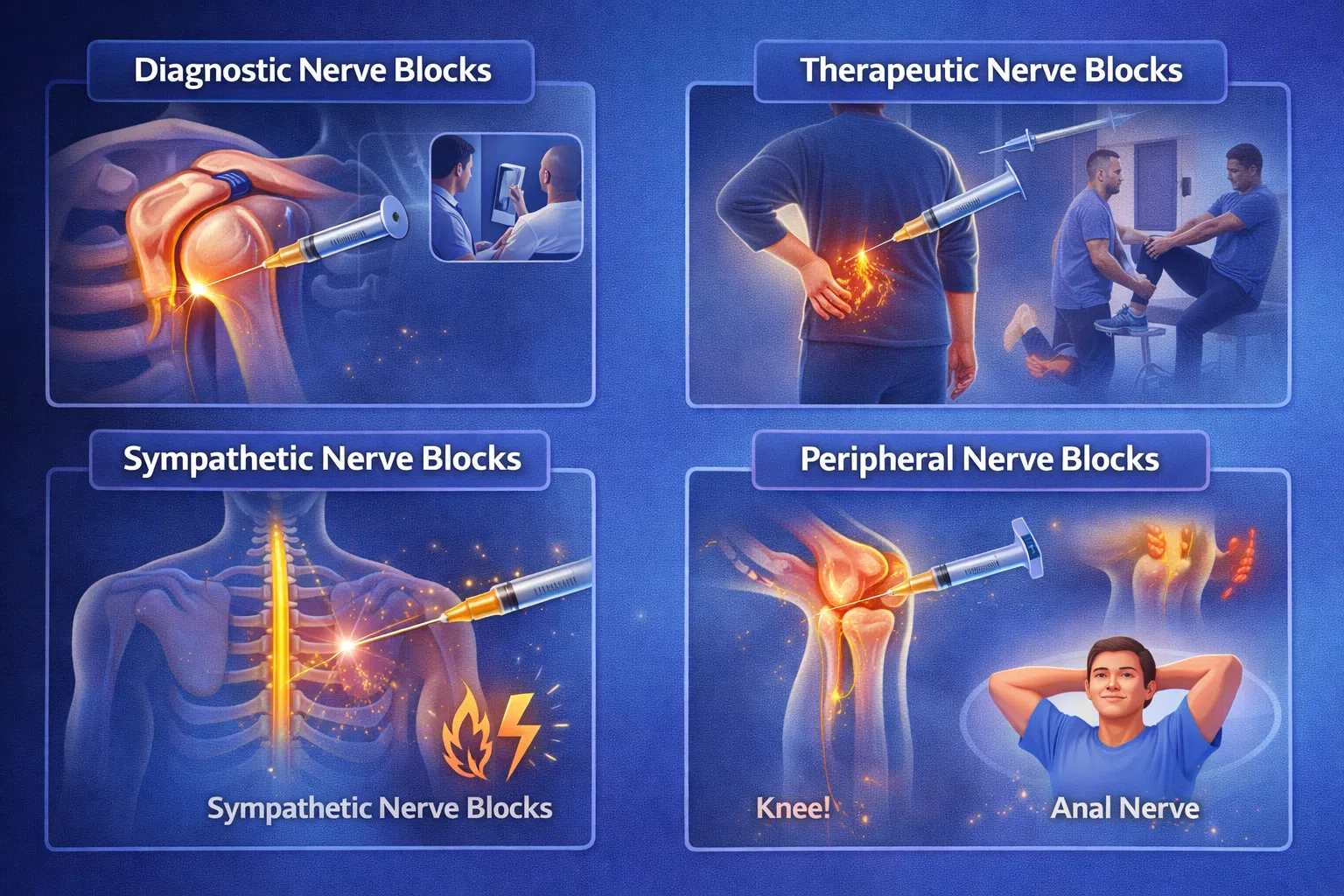
types of nerve blocks and pain conditions.
The type of nerve block is carefully chosen based on the pain location, underlying condition and clinical assessment.

Types of nerve blocks

Nerve blocks can be classified based on their purpose and target area, such as:

  • Diagnostic nerve blocks – used to confirm whether a specific nerve or joint is the source of pain. Temporary relief following the injection helps guide further treatment decisions.
  • Therapeutic nerve blocks – aimed at reducing pain and inflammation over a longer period, allowing patients to participate more effectively in physiotherapy or daily activities.
  • Sympathetic nerve blocks – target the sympathetic nervous system and are often used for complex pain conditions such as Complex Regional Pain Syndrome (CRPS) or certain vascular pain conditions.
  • Peripheral nerve blocks – focus on individual nerves supplying specific regions such as the shoulder, knee, hip or limbs.

Benefits of nerve blocks

Some of the advantages that interventional pain procedures offer include:

  • Rapid pain relief for selected conditions
  • Reduced inflammation around irritated nerves
  • Improved mobility and function
  • Better tolerance of physiotherapy and rehabilitation
  • Reduced reliance on long-term pain medications
  • Diagnostic value in identifying pain sources

What conditions can be treated with nerve blocks?

Although nerve block injections are often recommended when pain limits daily activities, they can be used to manage a wide range of conditions. In particular, for conditions that involve nerve irritation or inflammation, such as:
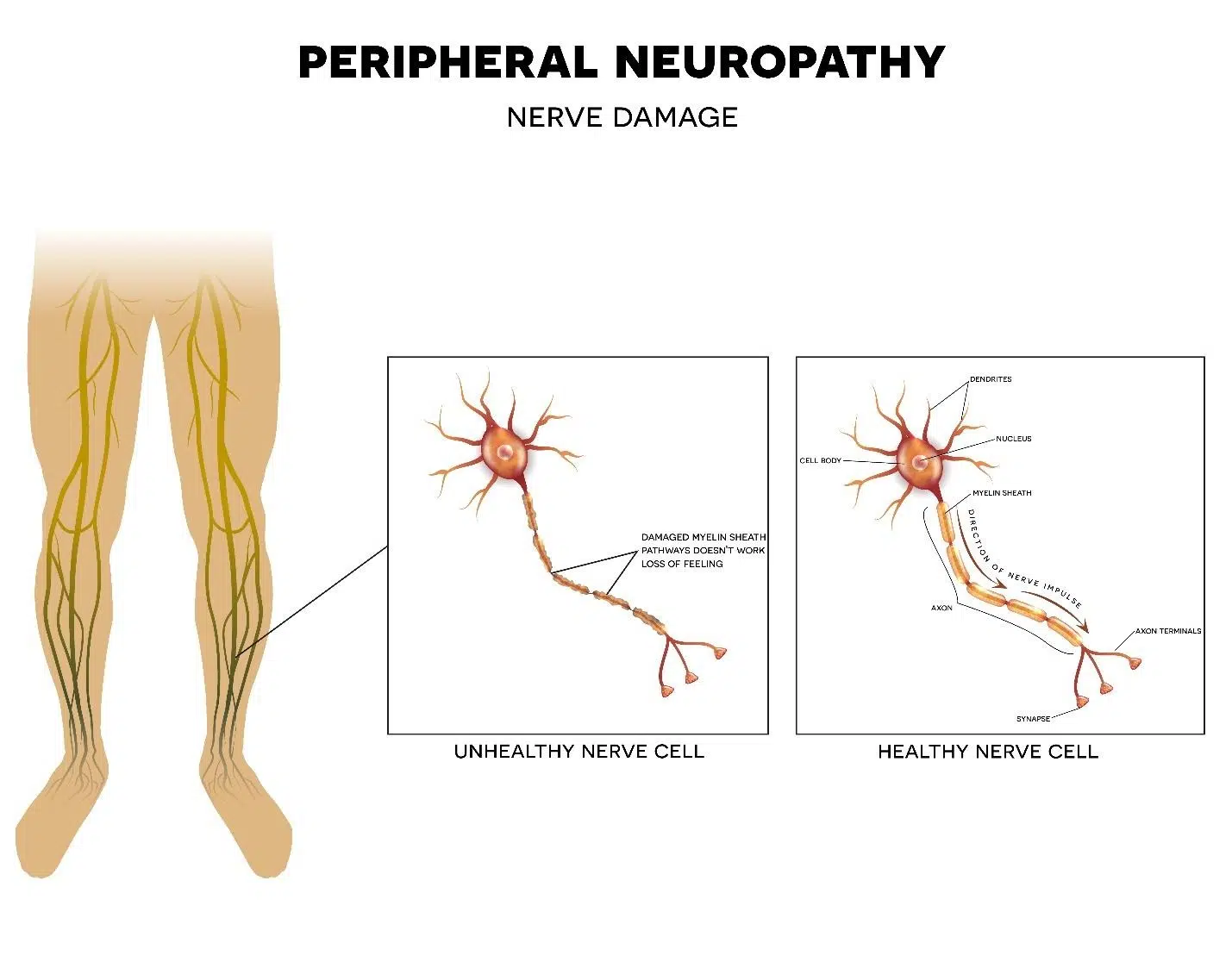
nerve block helps reduce chronic nerve and joint pain.
By reducing nerve irritation and inflammation, nerve blocks can ease pain and support better movement and daily function.

What to expect during the nerve blocks procedure?

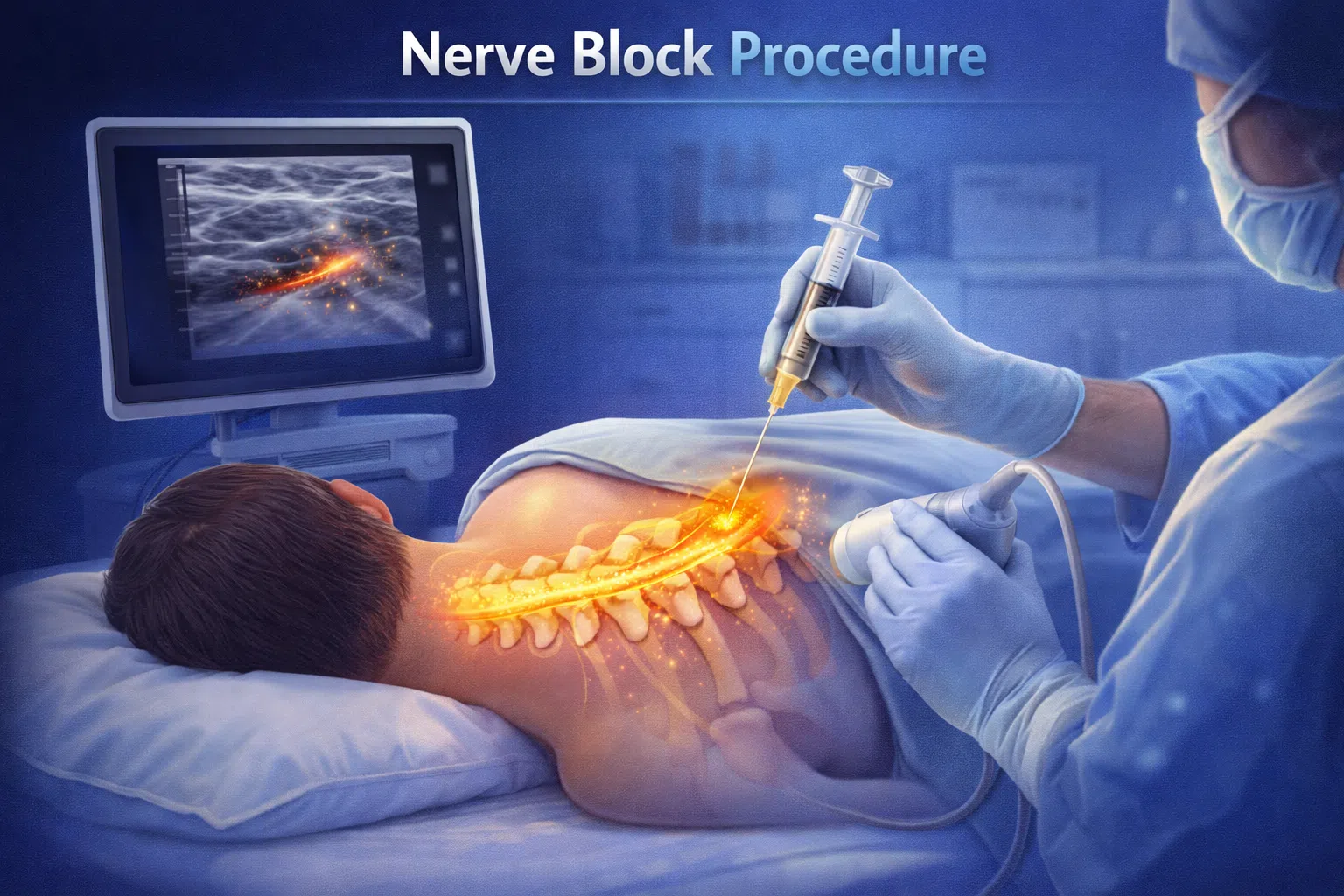
minimally invasive nerve block procedure.
Nerve blocks are minimally invasive procedures performed with precision to deliver relief while minimising downtime.

The procedure is minimally invasive and designed to reduce pain by temporarily interrupting pain signals from a specific nerve or group of nerves. At Apicare, our doctor performs nerve block injections using precise imaging guidance to maximise safety, accuracy and comfort.

The procedure involves:

  • Pre-procedure assessment and preparation – before the nerve block, our doctor will review your symptoms, imaging results and medical history to confirm the correct nerve target. You will be positioned comfortably depending on the area being treated and the skin over the injection site will be cleaned thoroughly to reduce infection risk.
  • Local anaesthesia for comfort – a small amount of local anaesthetic is first applied to numb the skin and underlying tissues. This helps minimise discomfort during the injection and allows the procedure to be performed with minimal pain.
  • Image-guided needle placement – using ultrasound or X-ray (fluoroscopy) guidance, our doctor carefully advances a fine needle towards the targeted nerve. Imaging allows precise placement while avoiding nearby blood vessels or sensitive structures.
  • Delivery of the nerve block medication – once the needle is correctly positioned, the medication is slowly injected. This usually contains a local anaesthetic, sometimes combined with an anti-inflammatory medication, to calm irritated nerves and reduce pain signalling.
  • Short observation period – After the injection, you will be monitored briefly to ensure there are no immediate side effects and to assess early pain relief. Many patients notice changes in pain levels within minutes to hours.
  • Same-day discharge – most nerve block procedures are completed within a short time and you can usually return home on the same day. Our doctor will provide aftercare advice, including activity guidelines and what sensations to expect as the medication takes effect.

Aftercare and recovery after a nerve block procedure

After a nerve block, you may experience temporary numbness or weakness in the treated area, which usually resolves within hours.

General aftercare advice includes:

  • Avoid strenuous activity on the day of the procedure
  • Monitor for any unusual symptoms
  • Follow our doctor’s guidance on returning to normal activities

Pain relief may begin within hours or over several days, depending on the medication used and the condition being treated.

How long do nerve block effects last?

The duration of relief varies depending on the condition treated, the severity of nerve irritation and individual response.

  • Some patients experience relief lasting days to weeks
  • Others may benefit for several months
  • In certain cases, repeat nerve blocks may be considered if pain returns and the relief was significant

Nerve blocks are often used alongside physiotherapy or other treatments to maximise long-term outcomes.

Summary

Nerve blocks provide a precise and minimally invasive way to manage pain that may be limiting your movement, sleep or quality of life. By targeting the specific nerves responsible for discomfort, they can offer meaningful relief while helping our doctor better understand the source of your pain.

If pain continues to interfere with your work, rest or mobility despite medication or physiotherapy, scheduling an appointment and seeking an assessment can be a positive step forward. Our doctor will take the time to understand your symptoms and guide you through whether a nerve block may help you regain control and move forward with greater comfort and function.

successful nerve block treatment.
Effective pain control with nerve blocks can help patients regain comfort, mobility and confidence in everyday activities.

Frequently Asked Questions (FAQs)

DR WILSON TAY

Consultant Pain Specialist, Consultant Anaesthesiologist,
Registered Acupuncturist MBBS
MMed (Anaes) | FIPP (World Institute of Pain, USA) | FAMS (Anaes) | Grad Dip Acupuncture (Singapore)

Relieving Pain with Precision and Care.

Consultant Pain Specialist, Consultant Anaesthesiologist, Registered Acupuncturist MBBS

Dr Wilson Tay is skilled in ultrasound-guided pain interventions that provide safer, more precise relief without unnecessary radiation exposure. His expertise covers a wide range of conditions including spine pain, headaches, abdominal and pelvic pain, fibromyalgia and cancer pain.


DR WILSON TAY

Consultant Pain Specialist, Consultant Anaesthesiologist,
Registered Acupuncturist MBBS

MMed (Anaes) | FIPP (World Institute of Pain, USA) | FAMS (Anaes) | Grad Dip Acupuncture (Singapore)

Relieving Pain with Precision and Care.

Consultant Pain Specialist, Consultant Anaesthesiologist, Registered Acupuncturist MBBS

Dr Wilson Tay is skilled in ultrasound-guided pain interventions that provide safer, more precise relief without unnecessary radiation exposure. His expertise covers a wide range of conditions including spine pain, headaches, abdominal and pelvic pain, fibromyalgia and cancer pain.

Get In Touch

Make an enquiry or
Request a consultation