
Hyaluronic Acid (HA) is a naturally occurring substance found in joint fluid. It acts as a lubricant and shock absorber, allowing smooth and pain-free movement of the joints. When joints become stiff or painful, the natural HA in the joint fluid may break down and lose its protective function.
A hyaluronic acid injection replaces or supplements this natural fluid, improving the quality of lubrication within the joint. Sometimes referred to as viscosupplementation, this treatment is a non-surgical option for managing joint pain and stiffness when other measures, such as medications or physical therapy, are not enough.

The injection delivers a gel-like substance containing hyaluronic acid directly into the affected joint, most often the knee, where osteoarthritis is particularly common. However, it can also be used in other weight-bearing or frequently used joints, such as the hip, ankle and shoulder, as well as smaller joints in the hand or elbow. But, this is on a case-by-case basis.
Once inside, the hyaluronic acid coats the surfaces of the joint, acting as a lubricant that reduces friction between bones and cushions impact during movement. This cushioning effect helps ease stiffness and makes activities such as walking, climbing stairs or bending more comfortable.
Beyond simply providing lubrication, hyaluronic acid may also exert a mild anti-inflammatory effect, calming irritation in the joint lining. It supports the health of the remaining cartilage by creating a healthier joint environment and improving the flow of nutrients within the joint fluid. Gradually, this can contribute to smoother movement and better function, allowing patients to carry out daily activities with greater ease and less discomfort.
This treatment is mainly used for conditions that affect the protective lining and lubrication of joints. These include:
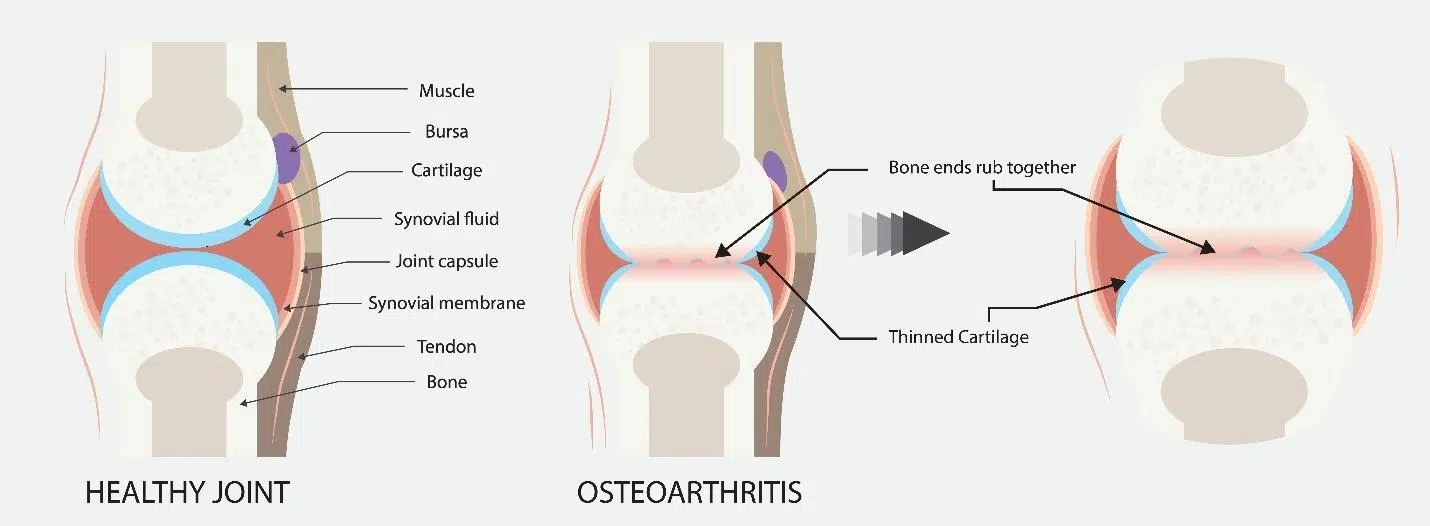
For patients struggling with painful or stiff joints, this treatment offers several advantages. This includes, but is not limited to:
The injections are generally well tolerated, especially since hyaluronic acid is naturally found in the body. However, some side effects may occur, usually mild and temporary.
Some possible side effects include:
Although rare, these complications may also occur:
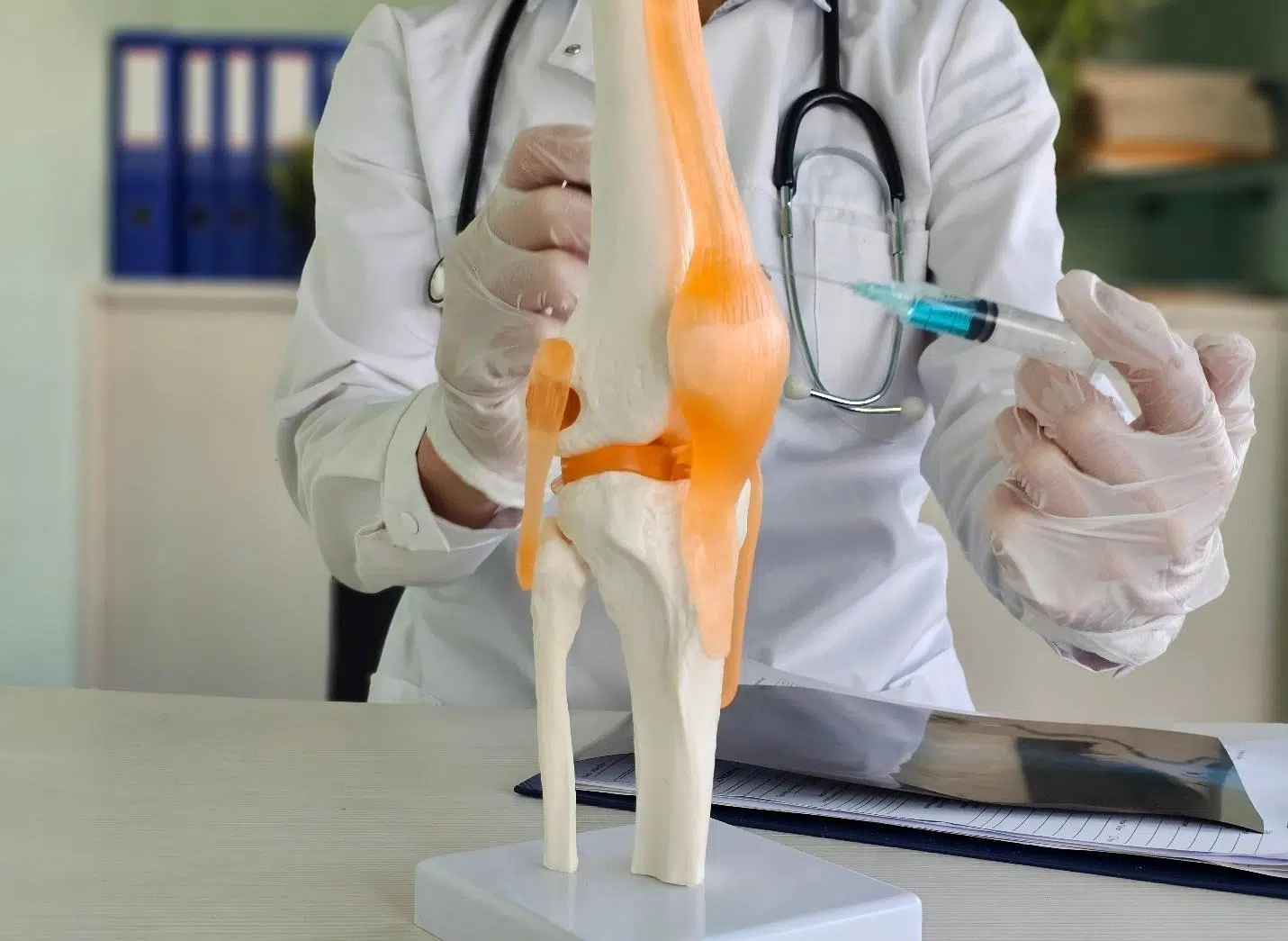
The procedure is simple and is usually carried out in a clinic without the need for hospital admission. It is designed to be quick, safe and minimally disruptive to your daily routine. It typically involves:
The entire procedure generally takes less than 30 minutes from start to finish. As it does not require sedation or recovery time, patients can usually go home the same day and return to their normal routines with minimal disruption.
After the injection, it is normal to experience mild soreness, swelling or warmth in the treated joint. These effects are temporary and usually improve within a couple of days. Some of the post-injection care tips that can help ease discomfort are:
Relief develops gradually rather than immediately after the injection. Hyaluronic acid needs time to disperse within the joint fluid, where it begins to restore lubrication and cushioning. Noticeable changes often appear within 1 to 3 weeks, although some patients may experience improvement earlier or later, depending on the severity of their condition. Stiffness usually settles first, followed by better joint movement and reduced pain during daily activities such as walking or climbing stairs.
The duration of benefit depends on several factors, including the degree of joint degeneration, the joint involved and individual lifestyle demands. Many patients experience sustained relief for 6 to 12 months, while some enjoy longer-lasting comfort. In advanced arthritis, the improvement may be shorter but still meaningful.
When symptoms return, repeat injections can be arranged. However, having regular treatments helps preserve mobility, reduce reliance on pain medication and delay the need for joint replacement surgery in some cases.
Hyaluronic acid joint injections provide a safe, non-surgical way to relieve pain and stiffness caused by osteoarthritis and other degenerative joint conditions. By restoring lubrication within the joint, they reduce friction, improve mobility and enhance quality of life.
While not a permanent cure, this treatment can be an important part of managing chronic joint pain and delaying more invasive procedures.
If you are living with persistent knee or joint pain, speak with our doctor about whether a hyaluronic acid injection could be the right step forward. Call us today to book an appointment and improve your joint health.

Not instantly. Pain and stiffness usually ease gradually over the course of a few days to a few weeks. This happens as the hyaluronic acid blends with your natural joint fluid and starts improving cushioning and lubrication. Some patients notice small changes early on, while for others it may take longer.
Treatment can be tailored to each individual. Some people respond well after a single injection, while others may benefit from a short course spaced over several weeks. Our doctor will recommend the right plan based on your symptoms, the joint being treated and the degree of arthritis or wear-and-tear.
Yes, these injections can safely complement oral pain relief, physiotherapy or supplements. However, remember to always share your full medication list with our doctor. That way, they can confirm what works best in combination.
Light everyday activities such as walking, household tasks or office work are usually fine straight away. High-impact or strenuous exercise, such as running, jumping or heavy lifting, should be avoided for 24 to 48 hours to give the joint time to settle.
For many patients with moderate arthritis, yes. The injections can ease pain and improve mobility enough to postpone the need for surgery. However, they cannot reverse severe damage, so surgery may still be necessary in advanced cases.
They are generally considered safe since hyaluronic acid is a substance naturally found in the body. Most side effects, such as mild swelling or discomfort at the injection site, are short-lived. Serious complications are very rare, especially when performed by our doctor.
The knee is the most common site, but injections may also be used in the hip, shoulder, ankle or smaller joints such as the elbow or hand. The suitability depends on the condition being treated and our doctor’s assessment.
They are often recommended for people with osteoarthritis or chronic joint pain who have not found enough relief from oral medications, physiotherapy or lifestyle changes. Patients who wish to avoid or delay surgery may also be good candidates.
Most patients feel benefits for 6 months to a year. Some notice longer relief, while others may need repeat injections sooner. Our doctor will monitor your response and advise on whether further sessions are suitable.
Yes. The injection is performed in a clinic setting without sedation, so you should be able to drive yourself home afterwards unless our doctor advises otherwise.
Dr Wilson Tay is skilled in ultrasound-guided pain interventions that provide safer, more precise relief without unnecessary radiation exposure. His expertise covers a wide range of conditions including spine pain, headaches, abdominal and pelvic pain, fibromyalgia and cancer pain.


MMed (Anaes) | FIPP (World Institute of Pain, USA) | FAMS (Anaes) | Grad Dip Acupuncture (Singapore)
Consultant Pain Specialist, Consultant Anaesthesiologist, Registered Acupuncturist MBBS
Dr Wilson Tay is skilled in ultrasound-guided pain interventions that provide safer, more precise relief without unnecessary radiation exposure. His expertise covers a wide range of conditions including spine pain, headaches, abdominal and pelvic pain, fibromyalgia and cancer pain.


