Discomfort in the stomach area is something almost everyone has experienced at some point. Sometimes it feels like a dull ache after a heavy meal, and other times it may strike suddenly as a sharp, severe pain.
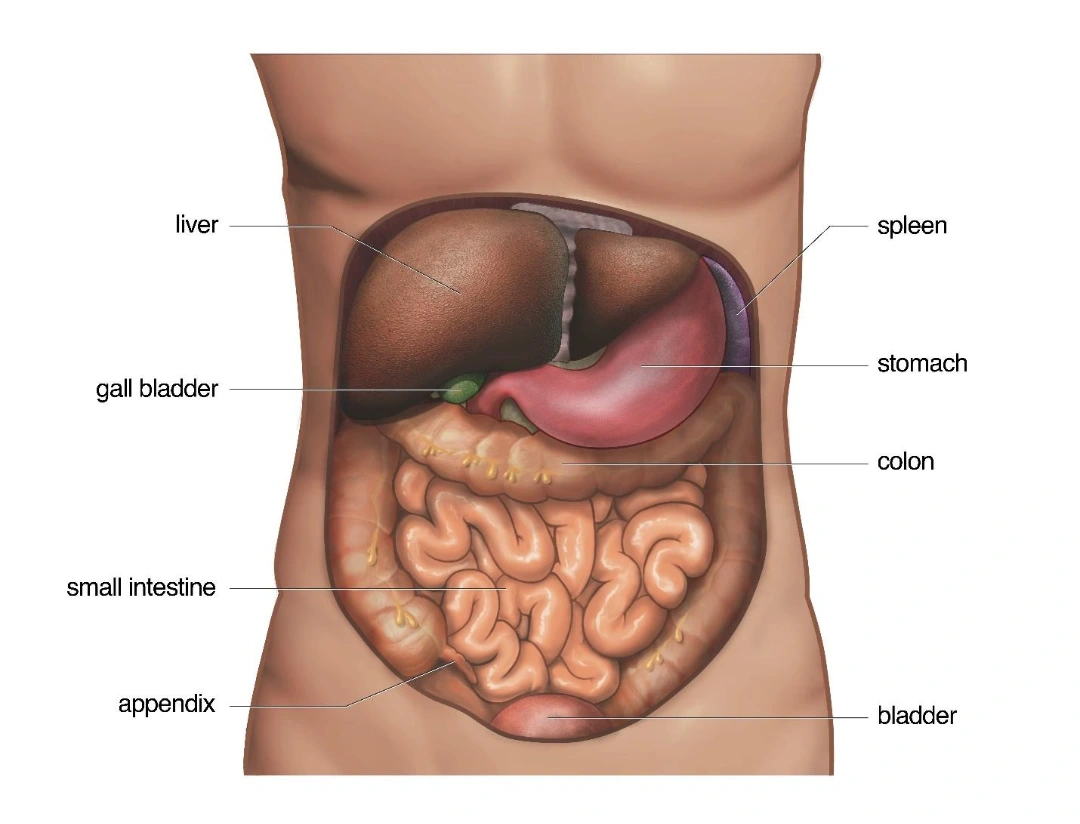
In medical terms, this discomfort is known as abdominal pain, which is a broad symptom that can arise from many different organs, such as the stomach, intestines, liver, pancreas, kidneys or reproductive system. While many cases are harmless and short-lived, abdominal pain can occasionally signal a serious medical condition that needs urgent treatment.
Abdominal pain can range from mild discomfort to severe cramping and may signal issues with the digestive tract, urinary system or other organs.
What are the types of abdominal pain?
Doctors classify abdominal pain into different types depending on how it develops and how long it lasts. This includes:
Acute abdominal pain – this refers to the pain that comes on suddenly and is often severe. It may indicate urgent problems such as appendicitis, gallstones or intestinal obstruction.
Chronic abdominal pain – this type persists for weeks or months. It is commonly seen in conditions like irritable bowel syndrome (IBS), gastritis, ulcers or endometriosis.
Progressive abdominal pain – this refers to pain that worsens steadily over time. It can be linked to more serious issues, such as cancers or diseases that cause ongoing inflammation or organ damage.
What causes abdominal pain?
There is no single cause for abdominal pain. Instead, it is a symptom with many possible triggers. Some of the most common triggers include:
Digestive system problems – indigestion, gastritis, stomach ulcers, gallstones, food poisoning, constipation, diarrhoea, inflammatory bowel disease (IBD) or pancreatitis.
Reproductive system conditions – in women, abdominal pain may be related to endometriosis, ovarian cysts, fibroids or pelvic inflammatory disease (PID).
Vascular causes –reduced blood flow to abdominal organs can cause severe pain, sometimes seen in older patients with blocked arteries.
Urinary tract issues – urinary tract infections (UTIs) or kidney stones that radiate pain into the lower abdomen and back.
Cancer-related pain – abdominal tumours in the stomach, liver, pancreas, ovaries or colon may cause persistent or progressive discomfort.
What could the location of abdominal pain indicate?
Where abdominal pain occurs is often just as telling as how it feels. The abdomen houses many organs, such as the stomach and intestines to the liver, kidneys, bladder, and reproductive system.
Because of this, discomfort in one area can point doctors toward a particular organ or condition. This may include, but is not limited to:
Upper abdomen – pain in this area may point to acid reflux, stomach ulcers, gallstones or liver conditions.
Lower abdomen – often associated with IBS, constipation, UTIs or gynaecological causes such as ovarian cysts.
Right side – classically associated with appendicitis, but also gallbladder or liver disease.
Left side – may be due to diverticulitis, kidney stones or constipation.
Generalised abdominal pain – spread-out discomfort across the whole abdomen can signal conditions such as viral gastroenteritis (stomach flu), bloating from gas or more serious issues like peritonitis.
The abdomen houses many vital organs, including the stomach, liver, intestines, gallbladder, pancreas, kidneys and reproductive organs, which is why abdominal pain can have so many different causes.
What does Abdominal Pain feel like?
Not all abdominal pain feels the same. In fact, the characteristics of discomfort often provide valuable diagnostic clues. Doctors pay close attention to these details because the nature of the pain often points to its source, such as:
Bloating or cramping – a common sign of gas, indigestion or IBS.
Burning sensation – often associated with acid reflux or stomach irritation.
Dull or constant ache – may be linked to ongoing inflammation or cancer-related causes.
Sharp or stabbing pain – could be related to kidney stones, appendicitis or stomach ulcers.
Colicky pain (waves of pain that come and go) – typical of gallstones or kidney stones, where an organ is intermittently blocked.
Persistent or severe abdominal pain should not be ignored, as early medical attention helps detect serious conditions and ensures timely treatment.
How is Abdominal Pain treated in Singapore?
The treatment for abdominal pain depends on the underlying causes. It may involve a combination of medication, procedures and lifestyle modifications. At Apicare, our treatments are personalised to ensure both relief and long-term well-being.
Lifestyle and dietary advice — practical changes such as eating smaller meals, avoiding trigger foods or improving hydration can make a big difference.
Physiotherapy — gentle exercises and posture training may relieve muscle-related abdominal discomfort.
Counselling and psychological support — stress and anxiety often worsen abdominal pain and addressing mental well-being can be key.
Palliative care — for advanced illnesses, the focus is placed on comfort, dignity and quality of life.
Keeping your abdomen healthy is essential for good digestion and overall wellness.
Summary
Pain in the abdomen is a common yet complex symptom with many possible causes. While some discomforts are minor and pass quickly, others may be signs of serious illness. With careful diagnosis and tailored treatments, most patients can find relief and return to daily life with confidence. At Apicare Pain Clinic, the focus is not only on treating pain, but also on addressing its root cause and improving overall quality of life.
If you are struggling with ongoing abdominal pain, do not wait. Book an appointmentwith our team today to get a clear diagnosis and personalised care plan.
For mild discomfort, rest, hydration and light meals may help. Over-the-counter antacids or pain relievers may also provide short-term relief. However, persistent or severe pain should always be checked by a doctor.
Yes. Stress can trigger cramping, bloating and flare-ups of conditions like IBS. Relaxation techniques, counselling and healthy lifestyle habits often help.
Not at all. Most abdominal pain is due to harmless causes like indigestion or constipation. However, unexplained or long-lasting pain should be evaluated, as in rare cases it may be linked to cancers of the digestive system.
While not all cases can be prevented, eating a balanced diet, staying active, managing stress and drinking enough water all reduce the risk of common abdominal conditions.
Night-time pain may be linked to acid reflux, ulcers or gallbladder disease, as lying down can aggravate these conditions. If this happens regularly, consult a doctor to receive a proper diagnosis and treatment.
Dr Wilson Tay is skilled in ultrasound-guided pain interventions that provide safer, more precise relief without unnecessary radiation exposure. His expertise covers a wide range of conditions including spine pain, headaches, abdominal and pelvic pain, fibromyalgia and cancer pain.
Dr Wilson Tay is skilled in ultrasound-guided pain interventions that provide safer, more precise relief without unnecessary radiation exposure. His expertise covers a wide range of conditions including spine pain, headaches, abdominal and pelvic pain, fibromyalgia and cancer pain.