
Dry needling is a minimally invasive technique used to relieve muscle pain and tension caused by trigger points. They are commonly referred to as muscle “knots.” These tight, hypersensitive areas form when muscle fibres remain in a state of contraction, leading to stiffness, soreness and restricted movement.
Unlike trigger point injections, dry needling does not involve any medication or injectable solution. Instead, it uses fine, sterile needles inserted into the affected muscles to stimulate relaxation, restore circulation and reset normal muscle function.
This treatment is commonly performed by trained doctors as part of a broader pain management or rehabilitation plan.
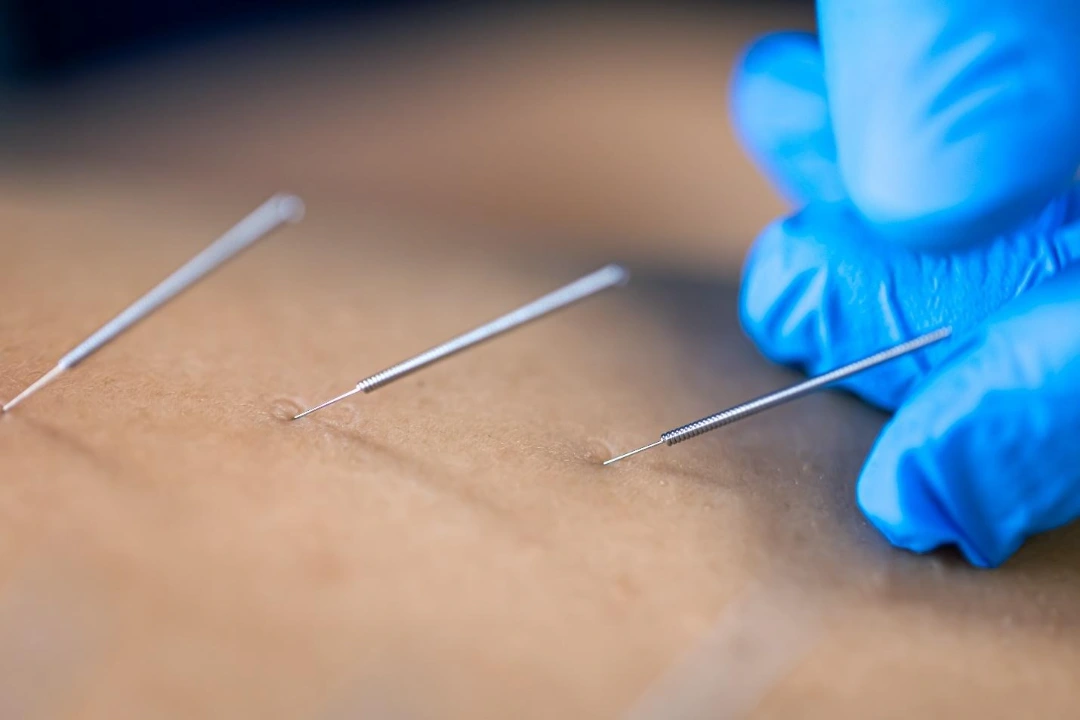
The technique works by releasing tension within the muscle and promoting natural healing. When a fine needle is inserted into a trigger point, it causes a brief contraction or “twitch” response. This reaction helps interrupt the cycle of muscle spasm, pain and restricted blood flow.
Physiologically, dry needling achieves several effects:
Many patients experience immediate or progressive relief following treatment. Some of the benefits include:
Additionally, when dry needling is incorporated into a comprehensive care plan, the treatment can significantly improve physical performance and daily comfort.
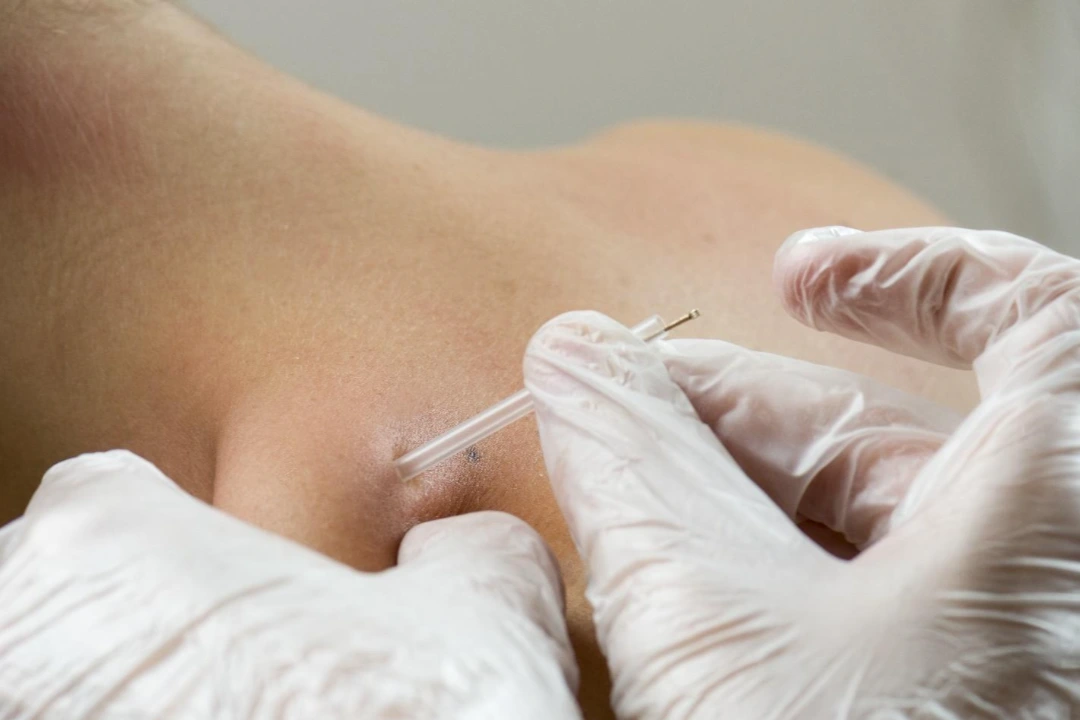
Dry needling is a versatile and used to treat a variety of musculoskeletal and nerve-related pain conditions. This includes:
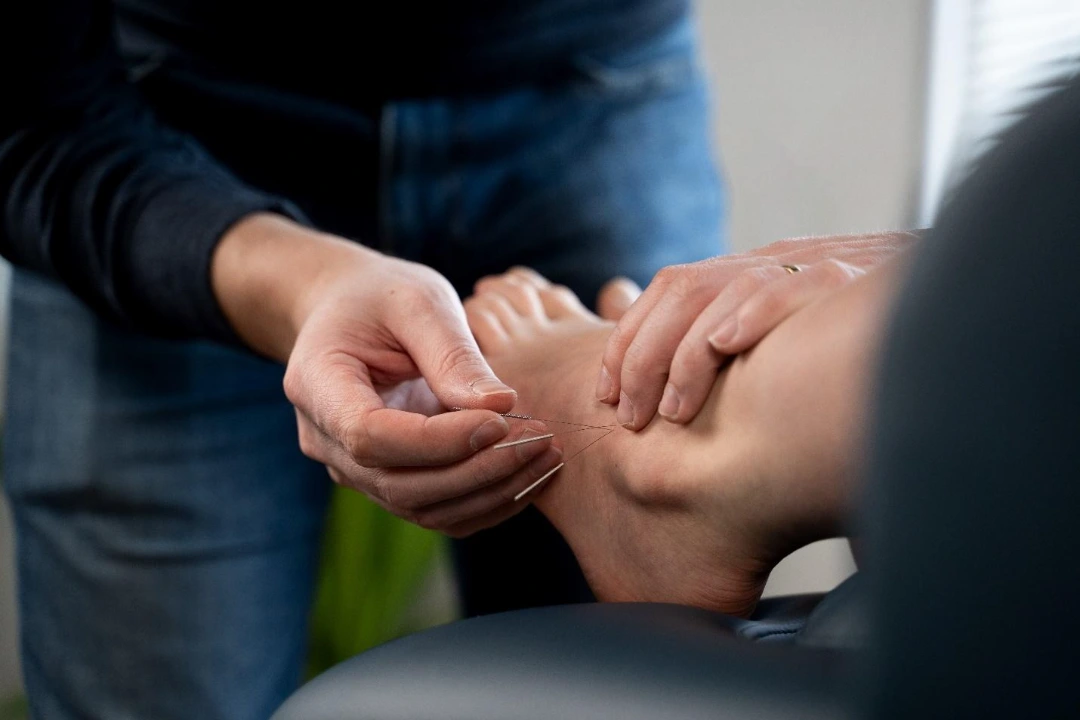
The treatment can also be applied to almost any part of the body, where the trigger points are found, such as:
Dry needling is a simple and well-tolerated procedure performed in a clinic setting. It typically takes 15 to 30 minutes, depending on how many muscles are treated and how extensive the tension is. Most patients remain comfortable throughout and can return home immediately after the session. The process consists of:
Before beginning, Dr Wilson Tay will conduct a detailed assessment to locate the specific muscles contributing to your pain. They will gently palpate the area to identify tight or tender spots, known as trigger points. Your symptoms, medical history and activity patterns are also reviewed to ensure the treatment is tailored to your needs. This step ensures accuracy and helps identify the underlying cause of your discomfort, whether it is postural strain, sports overuse or muscle imbalance.
Once the treatment areas are confirmed, the skin is cleaned thoroughly to reduce the risk of infection. Our doctor will explain the procedure and demonstrate where the needles will be inserted, so you know exactly what to expect. Anaesthesia is not required, as the discomfort is minimal and brief. Patients are encouraged to relax their muscles and breathe steadily throughout the process, which helps enhance comfort and results.
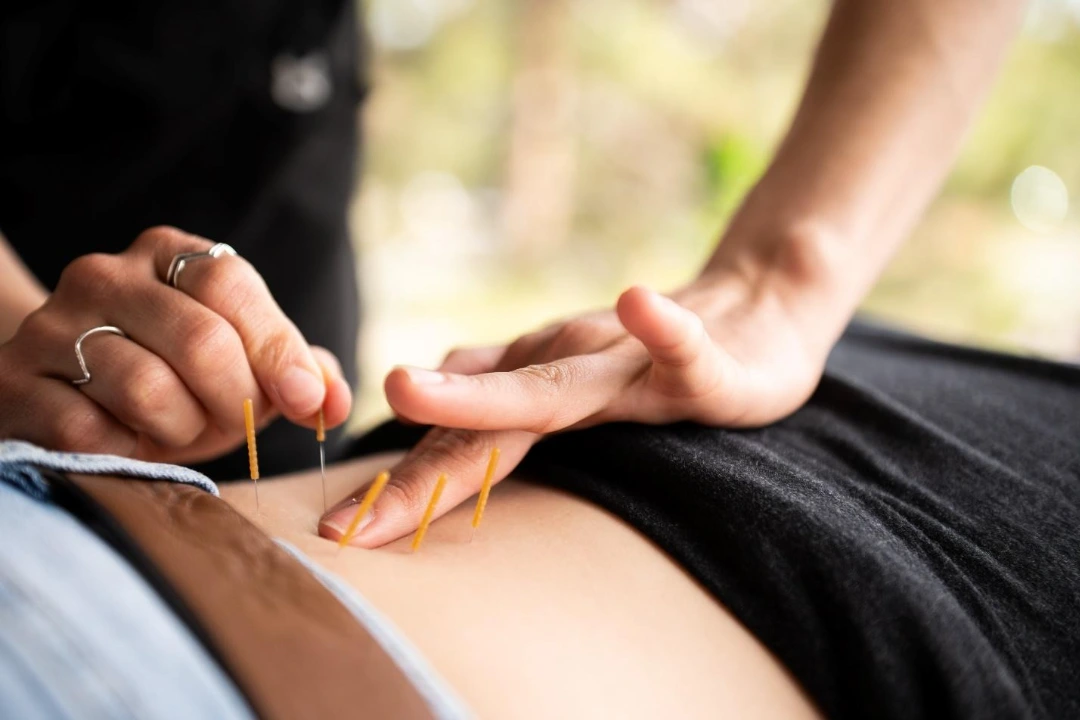
Using fine, sterile needles, our doctor will target the identified trigger points or taut muscle bands. You may feel a mild prick as the needle enters the skin, followed by a dull ache or brief muscle twitch. This is a normal, therapeutic response that signals the release of tension. The needles may be gently moved or left in place for a short period to stimulate relaxation and improve circulation in the treated muscle.
Once the desired response has been achieved, the needles are carefully removed. The area may be gently massaged, stretched or mobilised to encourage blood flow and enhance muscle recovery. Our doctor will provide aftercare advice, such as light stretching or hydration, to support healing. You can leave the clinic immediately after and resume normal activities, though it is best to avoid strenuous exercise for 24 hours.
Mild soreness, heaviness or fatigue in the treated muscles is common for a day or 2. These effects are temporary and typically indicate that the muscles are adjusting to improved function.
To enhance recovery:
Pain relief can begin as early as a few hours after treatment, though the full benefit is often felt over the next one to 3 days. For chronic or long-standing tension, several sessions may be recommended to achieve optimal results.
Regular follow-up allows the doctor to assess progress and adjust the treatment plan for sustained improvement.
The duration of relief varies depending on the underlying cause and how well contributing factors, such as posture or repetitive strain, are managed. For most patients, results last from several weeks to a few months.
Maintaining good posture, stretching regularly and addressing ergonomic issues can help prolong the benefits. Periodic maintenance sessions may also be advised for those with recurring muscle tension.
Dry needling is a safe and effective treatment that targets the root cause of muscle pain, stiffness and tension. By stimulating tight muscle fibres and improving blood flow, it encourages relaxation, restores flexibility and supports faster recovery, especially when combined with physiotherapy, stretching or posture correction.
For anyone struggling with chronic muscle tightness or deep-seated pain that has not responded to other treatments, dry needling offers a natural and medication-free approach to relief.
If muscle pain is affecting your daily comfort or mobility, schedule a consultation with our team at Apicare Pain Clinic to find out if dry needling is right for you. Early treatment not only helps to prevent chronic pain but also restores a more active, comfortable lifestyle.
While both use fine needles, their principles are different. Acupuncture is based on traditional Chinese medicine and energy flow, while dry needling focuses on releasing tight muscle fibres and relieving pain through direct stimulation of trigger points.
Most patients describe the sensation as a mild ache or brief twitch when the muscle releases. Any soreness that follows is temporary and usually fades within a day or two.
This varies depending on the severity and cause of pain. Some patients benefit from a single session, while others require a short course spanned over several weeks for longer-lasting results.
Dry needling is generally very safe when performed by trained practitioners. Possible mild side effects include slight soreness, bruising or fatigue. Rarely, complications such as infection or pneumothorax can occur, particularly if the chest area is treated. These risks are minimised with proper sterile technique and anatomical precision.
The procedure may not be suitable for individuals who:
While most neck pain is due to muscle strain or poor posture, it can sometimes indicate a serious condition, especially if accompanied by symptoms like fever, severe headache, or numbness. Seek medical attention if you experience these symptoms.
Yes. You can return to light daily activities right away. However, it is best to avoid vigorous exercise or heavy lifting for 24 hours to allow the muscles to recover fully.
Yes. It can ease muscle stiffness and promote relaxation in overactive muscle groups, making it particularly helpful for fibromyalgia, headaches, TMJ dysfunction and postural strain.
Regular stretching, good posture, staying hydrated and taking short movement breaks during the day can help prevent muscle tension from returning. Continuing physiotherapy exercises can further prolong the benefits.
Dr Wilson Tay is skilled in ultrasound-guided pain interventions that provide safer, more precise relief without unnecessary radiation exposure. His expertise covers a wide range of conditions including spine pain, headaches, abdominal and pelvic pain, fibromyalgia and cancer pain.
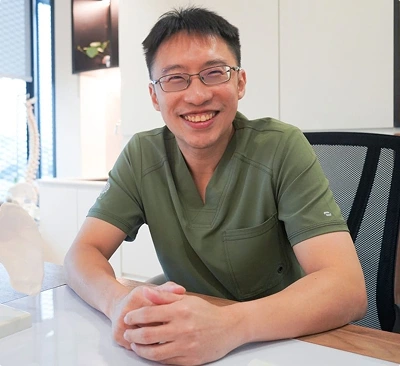
MMed (Anaes) | FIPP (World Institute of Pain, USA) | FAMS (Anaes) | Grad Dip Acupuncture (Singapore)
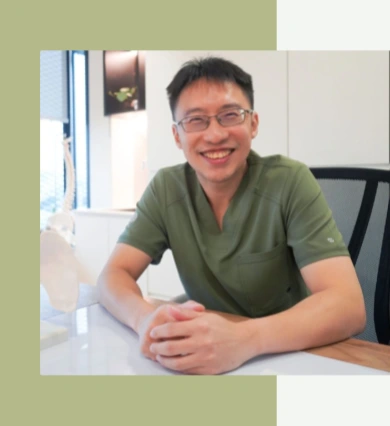
Consultant Pain Specialist, Consultant Anaesthesiologist, Registered Acupuncturist MBBS
Dr Wilson Tay is skilled in ultrasound-guided pain interventions that provide safer, more precise relief without unnecessary radiation exposure. His expertise covers a wide range of conditions including spine pain, headaches, abdominal and pelvic pain, fibromyalgia and cancer pain.


