
Trigger Point Injections are a minimally invasive treatment designed to relieve myofascial pain, which is a common cause of muscle tightness, soreness and restricted movement. Trigger points, often referred to as “muscle knots,” form when bands of muscle fibres stay in a constant state of contraction and fail to relax.
By delivering medication directly into these tight areas, the injection helps deactivate the trigger point, ease muscle tension and restore normal movement. TPIs are typically recommended when rest, medication or physiotherapy alone have not provided lasting relief.
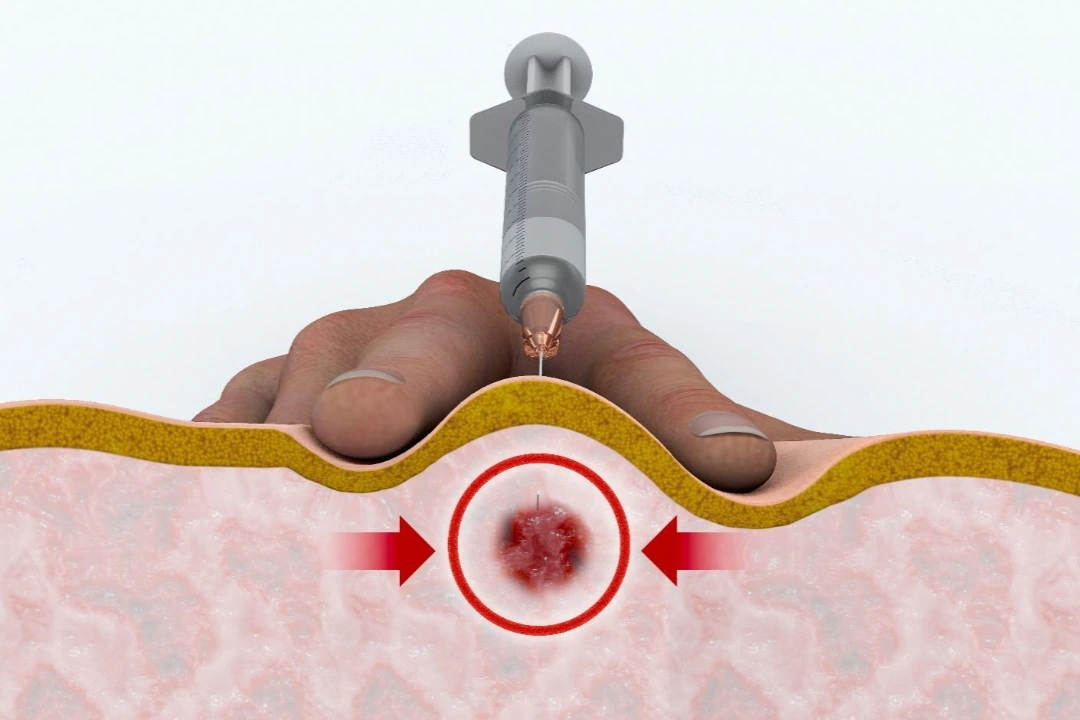
Trigger points develop when muscles experience repeated stress, injury or poor recovery after overuse. This strain reduces blood flow and oxygen to the area, leading to an energy deficit within the muscle cells. Without enough adenosine triphosphate (ATP), the molecule responsible for muscle relaxation, the fibres remain contracted.
This persistent contraction can cause:
Some of the contributing factors include:

TPIs can be performed using different injectable solutions. This depends on your condition and comfort, such as:
Many patients find TPIs effective for both immediate and long-term pain relief. The benefits include:
These injections are suitable for various muscle-related pain conditions, particularly when muscle knots are involved. The commonly treated areas include:
TPIs are also used as part of pain management for conditions such as:

The treatment is typically performed as an outpatient procedure. It is a quick process, often taking less than 30 minutes from start to finish.
It generally entails:
Mild soreness, tightness or bruising around the injection site is normal and usually resolves within a few days. Applying an ice pack and gentle stretching can help ease any discomfort.
Our doctor may recommend:
Most patients notice gradual improvement within a few days. However, relief may continue to build over a week as the muscle relaxes fully.
Relief is not always immediate. Some patients notice a light, relaxed feeling in the treated muscle within a few hours, while for others, it may take a few days for the full effect to settle in. This gradual improvement occurs as muscle fibres recover their normal elasticity and blood flow improves in the previously tight area.
In the days following treatment, discomfort may briefly increase before easing. This is part of the muscle’s natural healing response. Gentle stretching and rest can help enhance results during this period.
Most patients experience noticeable pain reduction and better movement within 3 to 5 days of the procedure.
Duration of relief varies depending on the severity of the muscle tension, lifestyle factors and whether underlying causes are addressed. In general, results can last from several weeks to a few months.
To maintain the benefits, our doctor may recommend follow-up injections spaced a few weeks apart, especially for chronic or recurring pain. Combining injections with physiotherapy, ergonomic adjustments and stress management can also help sustain muscle relaxation and prevent future trigger points from forming.
Regular review with our pain specialist ensures that your treatment plan evolves in tandem with your recovery, providing long-term, lasting relief.

Trigger point injections offer a safe, effective and minimally invasive way to relieve chronic muscle tension and myofascial pain. By targeting specific knots within tight muscles, the treatment helps restore flexibility, improve circulation and ease discomfort caused by overuse or strain.
When combined with physiotherapy, posture correction and stress management, TPIs not only relieve existing pain but also reduce the likelihood of recurrence. Most patients experience meaningful relief within days and can return to their usual activities soon after the procedure.
If persistent muscle tightness or deep, localised pain has been limiting your movement, a consultation with our doctor can help determine whether trigger point injections are right for you. Do schedule an appointment to have your symptoms assessed, as early treatment can prevent chronic pain from worsening and help you regain long-term comfort and mobility.
Mild soreness, bruising or temporary stiffness at the injection site are common and usually resolve within a few days. Rare side effects include infection, bleeding or allergic reactions to the medication. Our doctor will take precautions to minimise these risks.
People with active infections (either local or systemic), bleeding disorders or known allergies to the injectable medication may not be suitable for TPIs. Pregnant patients or those with certain neuromuscular conditions should consult their doctor to discuss safety before proceeding.
Most patients describe only mild discomfort or a short twitching sensation during the injection. A local anaesthetic is often used to make the procedure more comfortable.
You can usually return to your normal routine shortly after treatment. It is best to avoid strenuous activity for 24 to 48 hours to allow the treated muscle to recover.
Both target the same tight muscle knots, but dry needling uses no medication. TPIs deliver an anaesthetic or anti-inflammatory agent for additional relief and longer-lasting effects.
Yes. TPIs are often combined with physiotherapy, stretching or shockwave therapy to enhance recovery and improve long-term results.
Dr Wilson Tay is skilled in ultrasound-guided pain interventions that provide safer, more precise relief without unnecessary radiation exposure. His expertise covers a wide range of conditions including spine pain, headaches, abdominal and pelvic pain, fibromyalgia and cancer pain.


MMed (Anaes) | FIPP (World Institute of Pain, USA) | FAMS (Anaes) | Grad Dip Acupuncture (Singapore)
Consultant Pain Specialist, Consultant Anaesthesiologist, Registered Acupuncturist MBBS
Dr Wilson Tay is skilled in ultrasound-guided pain interventions that provide safer, more precise relief without unnecessary radiation exposure. His expertise covers a wide range of conditions including spine pain, headaches, abdominal and pelvic pain, fibromyalgia and cancer pain.


